
- Release Year: 2016
- Platforms: PlayStation 4, Windows
- Publisher: Gamepoch, Inc., GQJoy Co.,Ltd
- Developer: Zenox Studio
- Genre: Action
- Perspective: 1st-person
- Game Mode: Single-player
- Gameplay: Shooter
- Setting: Fantasy
- Average Score: 45/100
Description
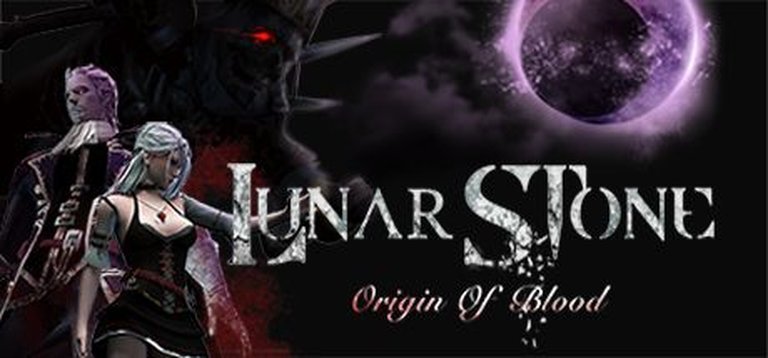
Set in a post-apocalyptic world following the Moon Break Catastrophe, ‘Lunar Stone: Origin of Blood’ is a first-person VR shooter blended with RPG elements. Players battle dark creatures and powerful lords to reclaim magical moon stones while aided by AI companions with unique weapons. The game features an intricate dodging system, immersive original music, and upgrades unlocked through collected stones, unfolding a story of survival amid war-torn landscapes where humanity’s remnants clash with ancient evils.
Gameplay Videos
Where to Buy Lunar Stone: Origin of Blood
PC
Lunar Stone: Origin of Blood Reviews & Reception
steambase.io (61/100): Lunar Stone – Origin of Blood has earned a Player Score of 61 / 100. This score is calculated from 46 total reviews which give it a rating of Mixed.
opencritic.com (60/100): I don’t hate Lunar Stone, I had a lot of fun playing it and I’ve still not jumped as much as I did when the skeleton was in my face!
store.steampowered.com (61/100): All Reviews: Mixed (61% of 36)
mygametrics.com (0/100): Overall Rating: 0.0 (0 ratings)
Lunar Stone: Origin of Blood: Review
In the annals of virtual reality gaming, few titles have sparked as much controversy and intrigue as Lunar Stone: Origin of Blood. Released in 2016 by Zenox Studio and published by GQJoy Co., Ltd, this first-person shooter (FPS) and role-playing game (RPG) hybrid was designed exclusively for VR platforms. The game’s ambitious blend of combat mechanics, narrative depth, and immersive world-building promised an experience that would redefine the genre. However, its reception was mixed, with critics and players alike divided on its merits and flaws. This review aims to dissect Lunar Stone: Origin of Blood in detail, exploring its development history, narrative, gameplay mechanics, world-building, and legacy.
Development History & Context
The Studio
Zenox Studio, the developer behind Lunar Stone: Origin of Blood, was a relatively unknown entity in the gaming industry at the time of the game’s release. Founded with a vision to push the boundaries of VR gaming, Zenox Studio assembled a team of talented developers, artists, and writers to bring their ambitious project to life. The studio’s goal was to create a game that would not only leverage the unique capabilities of VR technology but also tell a compelling story that resonated with players.
The Creators’ Vision
The creators of Lunar Stone: Origin of Blood envisioned a game that combined the fast-paced action of a first-person shooter with the depth and character development of a role-playing game. They aimed to create an immersive world where players could explore, fight, and uncover the mysteries of a post-apocalyptic fantasy realm. The game’s unique dodging system, which allowed players to dodge enemy attacks by swinging their heads, was a pioneering feature designed to enhance the VR experience.
Technological Constraints of the Era
The mid-2010s were a time of rapid innovation in the VR industry. However, the technology was still in its infancy, and developers faced significant challenges in creating immersive and seamless VR experiences. Zenox Studio had to work within the constraints of the available hardware, ensuring that Lunar Stone: Origin of Blood ran smoothly on devices like the HTC Vive and Oculus Rift. The game’s system requirements reflected the cutting-edge technology of the time, with a focus on high-performance processors and graphics cards.
The Gaming Landscape
In 2016, the gaming landscape was dominated by a few major players, with titles like The Elder Scrolls V: Skyrim, The Witcher 3: Wild Hunt, and Fallout 4 setting the standard for narrative-driven RPGs. In the VR space, games like Job Simulator and Superhot VR were gaining popularity for their innovative use of VR technology. Lunar Stone: Origin of Blood entered this competitive market with the goal of carving out its own niche, offering a unique blend of genres and a compelling narrative.
Narrative & Thematic Deep Dive
Plot
Lunar Stone: Origin of Blood is set in a post-apocalyptic fantasy world where a catastrophic event known as the Moon Break Catastrophe has unleashed ancient dark creatures upon the land. The story unfolds in the aftermath of this event, as human survivors and dark creatures battle for control of the few remaining habitable lands. The Academy Zenova, built on the top mountains of Sober Land, serves as a bastion of hope, training young soldiers to protect the magical moon stones and defend against the dark forces.
The narrative follows the journey of the player character, who is prophesied to be the chosen one destined to end the war. The story begins with the Academy’s president, Mr. Levit, departing to attend the Sober Land Anniversary, leaving behind a prophecy that a chosen one will emerge to save the world. The undead creatures, led by dark lords, seize the opportunity to infiltrate the academy and seize the powerful moon stones, setting the stage for the player’s quest to reclaim them and restore balance.
Characters
The game features a cast of fully voiced characters, each bringing their own perspectives and emotional responses to the world and story. Mika LIN and Melanie HEINS are the two primary companions who accompany the player on their journey. Mika is a skilled warrior with a mysterious past, while Melanie is a resourceful and intelligent healer. Each character has uniquely-tuned weapons and abilities, allowing players to tailor their gameplay experience to their preferences.
The dark force lords, who serve as the game’s primary antagonists, are powerful and cunning foes. They have obtained unique fighting skills enhanced by the magic power of the moon stones, making them formidable opponents. The player must use strategy and skill to defeat these lords and reclaim the stones, which grant them powerful abilities in return.
Dialogue
The dialogue in Lunar Stone: Origin of Blood is a mix of cheesy and dramatic, often veering into the realm of fan service. The interactions between the player character and their companions are designed to be engaging and immersive, but the execution often falls short. The voice acting, while passable, lacks the depth and nuance needed to bring the characters to life. The dialogue is often repetitive and lacks the emotional resonance needed to make the story truly compelling.
Themes
The game explores several themes, including the struggle between good and evil, the power of prophecy, and the importance of friendship and camaraderie. The post-apocalyptic setting serves as a backdrop for these themes, highlighting the resilience of the human spirit in the face of adversity. The magical moon stones, which serve as the game’s MacGuffin, represent the power and potential for both creation and destruction, adding a layer of complexity to the narrative.
Gameplay Mechanics & Systems
Core Gameplay Loops
Lunar Stone: Origin of Blood features a core gameplay loop that revolves around exploration, combat, and character progression. Players navigate through four levels of combat, each designed to test their skills and reflexes. The game’s unique dodging system, which allows players to dodge enemy attacks by swinging their heads, is a key mechanic that sets it apart from other FPS games. However, the execution of this mechanic is often clumsy and disorienting, detracting from the overall experience.
Combat
Combat in Lunar Stone: Origin of Blood is fast-paced and intense, with a focus on reflexes and strategy. Players must use a combination of shooting and melee attacks to defeat their enemies, with the dodging system adding an extra layer of complexity. The game features a variety of weapons and abilities, allowing players to customize their loadout to suit their playstyle. However, the combat can often feel repetitive, with enemies and bosses following predictable patterns.
Character Progression
Character progression in Lunar Stone: Origin of Blood is tied to the magical moon stones, which grant players powerful abilities and upgrades. As players progress through the game, they can unlock new weapons, abilities, and customization options, allowing them to tailor their character to their preferences. However, the progression system is often unclear, with players unsure of how to unlock certain abilities or upgrades.
UI
The user interface in Lunar Stone: Origin of Blood is functional but uninspired. The menus are straightforward, with clear navigation and easy-to-understand options. However, the in-game HUD is often cluttered and confusing, with important information hidden behind layers of menus. The game’s UI could benefit from a more streamlined and intuitive design, allowing players to focus on the action rather than navigating menus.
Innovative or Flawed Systems
One of the most innovative features of Lunar Stone: Origin of Blood is its unique dodging system, which allows players to dodge enemy attacks by swinging their heads. However, this mechanic is often clumsy and disorienting, detracting from the overall experience. The game’s AI-controlled companions, while intended to enhance the gameplay, often feel more like a hindrance than a help, with their actions and decisions often at odds with the player’s goals.
World-Building, Art & Sound
Setting
The world of Lunar Stone: Origin of Blood is a post-apocalyptic fantasy realm, where ancient magic and modern technology coexist. The game’s setting is rich and detailed, with a variety of environments ranging from the ruins of ancient civilizations to the futuristic halls of the Academy Zenova. The world-building is impressive, with a deep lore and history that adds depth and complexity to the narrative.
Atmosphere
The atmosphere in Lunar Stone: Origin of Blood is tense and immersive, with a focus on creating a sense of danger and urgency. The game’s use of lighting and sound design is effective in creating a mood, with dark, shadowy environments and eerie sound effects adding to the sense of foreboding. However, the game’s pacing can often feel uneven, with long stretches of exploration punctuated by brief, intense combat sequences.
Visual Direction
The visual direction in Lunar Stone: Origin of Blood is a mix of impressive and underwhelming. The game’s environments are detailed and well-designed, with a focus on creating a sense of scale and grandeur. However, the character models and animations are often stiff and unnatural, detracting from the overall experience. The game’s use of VR technology is effective in creating an immersive experience, but the visuals could benefit from a more polished and refined aesthetic.
Sound Design
The sound design in Lunar Stone: Origin of Blood is one of its strongest assets. The game features an elaborate soundtrack, with film-quality original music that enhances the epic and tense atmosphere of the game. The sound effects are also well-designed, with a focus on creating a sense of immersion and realism. However, the voice acting is often lacking, with the dialogue feeling stiff and unnatural.
Reception & Legacy
Critical and Commercial Reception at Launch
At launch, Lunar Stone: Origin of Blood received a mixed reception from critics and players alike. While the game’s ambitious blend of genres and innovative use of VR technology were praised, its flawed execution and lack of polish were often criticized. The game’s short length and repetitive gameplay were also cited as major drawbacks, with many players feeling that the game lacked the depth and replayability needed to justify its price point.
Evolution of Reputation
Over time, the reputation of Lunar Stone: Origin of Blood has evolved, with some players and critics re-evaluating the game’s merits in light of its innovative features and ambitious vision. However, the game’s flaws remain a significant barrier to its widespread appeal, with many players still citing its short length and repetitive gameplay as major drawbacks.
Influence on Subsequent Games and the Industry
Despite its mixed reception, Lunar Stone: Origin of Blood has had a significant influence on the VR gaming industry. The game’s innovative use of VR technology and unique dodging system have inspired other developers to experiment with new mechanics and approaches to gameplay. The game’s blend of genres has also paved the way for other titles that seek to combine the fast-paced action of FPS games with the depth and character development of RPGs.
Conclusion
Lunar Stone: Origin of Blood is a game that is both ambitious and flawed. Its innovative use of VR technology and unique dodging system set it apart from other titles in the genre, but its short length, repetitive gameplay, and lack of polish detract from the overall experience. The game’s narrative and world-building are impressive, with a rich and detailed setting that adds depth and complexity to the story. However, the execution of these elements often falls short, with the dialogue and voice acting lacking the emotional resonance needed to bring the characters to life.
In conclusion, Lunar Stone: Origin of Blood is a game that is worth experiencing for its innovative features and ambitious vision, but it is not without its flaws. Players who are looking for a unique and immersive VR experience may find value in the game, but those who are seeking a more polished and refined experience may want to look elsewhere. Ultimately, Lunar Stone: Origin of Blood is a game that is both a testament to the potential of VR technology and a cautionary tale about the challenges of executing an ambitious vision.