
- Release Year: 2009
- Platforms: Macintosh, Windows
- Publisher: MumboJumbo, LLC, Russobit-M
- Developer: MumboJumbo, LLC
- Genre: Strategy, Tactics
- Perspective: Top-down
- Game Mode: Single-player
- Gameplay: Board game, Cards, Tiles
- Setting: Egypt (Ancient)
- Average Score: 86/100
Description
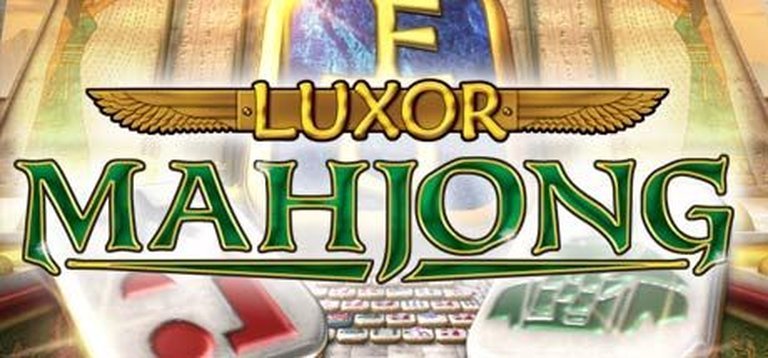
Luxor: Mahjong is a strategic tile-matching puzzle game set in ancient Egypt, blending the classic Mahjong solitaire mechanics with the Luxor series’ signature themes. Players eliminate matching tiles to clear the board while navigating through Egyptian-inspired levels, combining the relaxation of Mahjong with the adventure of the Luxor franchise.
Gameplay Videos
Where to Buy Luxor: Mahjong
PC
Luxor: Mahjong Free Download
Luxor: Mahjong Guides & Walkthroughs
Luxor: Mahjong Reviews & Reception
gamesreviews2010.com (80/100): A classic Mahjong game that is sure to entertain players of all skill levels.
store.steampowered.com (92/100): Positive (92% of the 38 user reviews for this game are positive).
gamezebo.com : A highly polished and addictive adventure that should appeal to a wide audience.
Luxor: Mahjong Cheats & Codes
PC (v1.0.5.12)
Enter codes as command line parameters when starting the game.
| Code | Effect |
|---|---|
| -unlocklevels | Unlock all Levels for only the CURRENTLY unlocked Stages of Adventure Mode for your selected Profile |
| -unlockstages | Unlock all 100 Levels of Single Mode & all 22 Stages of Adventure Mode |
| -unlocklevels -unlockstages | Unlock all 100 Levels of Single Mode & all 22 Stages of Adventure Mode & (and should unlock all 100 Levels of Adventure Mode, but it does not as explained above in -unlocklevels) |
PC (v1.0.3.32)
Enter codes as command line parameters when starting the game.
| Code | Effect |
|---|---|
| -unlocklevels | Unlock All Levels of just the CURRENTLY Unlocked Stages for your selected Profile |
| -unlockstages | Unlock All 13 Stages (starting at Level 1) |
| -unlocklevels -unlockstages | Unlock All 13 Stages and All Sub-Levels |
Luxor: Mahjong – A Masterful Fusion of Ancient Aesthetics and Modern Puzzle Design
Introduction: The Convergence of Two Timeless Traditions
In the pantheon of casual puzzle games, few franchises have achieved the enduring appeal and cultural resonance of Luxor. Since its debut in 2005, the series has captivated millions with its blend of fast-paced marble-shooting mechanics and rich Egyptian mythology. Yet, in 2009, developer MumboJumbo took a bold departure from its established formula with Luxor: Mahjong, a game that fused the strategic depth of traditional Mahjong solitaire with the franchise’s signature ancient Egyptian aesthetic. This hybrid not only expanded the Luxor universe but also redefined what a themed puzzle game could achieve.
Luxor: Mahjong is more than a mere spin-off; it is a meticulously crafted love letter to two distinct gaming traditions. On one hand, it pays homage to the centuries-old Chinese tile game, Mahjong, with its emphasis on pattern recognition, patience, and tactical removal. On the other, it embraces the Luxor series’ commitment to accessibility, visual splendor, and narrative immersion. The result is a game that feels both familiar and fresh, a rare achievement in the often formulaic world of casual gaming.
This review will dissect Luxor: Mahjong with the rigor it deserves, exploring its development history, narrative and thematic depth, gameplay mechanics, artistic and auditory design, critical reception, and lasting legacy. By the end, it will be clear why this game remains a standout title in both the Luxor series and the broader Mahjong genre.
Development History & Context: The Birth of a Hybrid
The Studio Behind the Game: MumboJumbo’s Rise in Casual Gaming
Luxor: Mahjong was developed by MumboJumbo, a Dallas-based studio founded in 2001 by former employees of Ritual Entertainment. Initially focused on action games, the studio pivoted to casual titles in the early 2000s, a decision that would prove prescient. The original Luxor (2005) was a breakout hit, capitalizing on the success of Zuma while carving out its own identity through its Egyptian theme and polished presentation. The game’s commercial success—over 500,000 units sold by 2007 and 40 million trial downloads—cemented MumboJumbo’s reputation as a leader in the casual gaming space.
By 2009, the Luxor franchise had already seen multiple sequels and spin-offs, including Luxor: Amun Rising (2005), Luxor 2 (2006), and Luxor 3 (2007). Each iteration refined the core marble-shooting mechanics while introducing new features like boss battles, cooperative multiplayer, and expanded power-ups. However, Luxor: Mahjong represented a significant departure. Instead of building on the action-puzzle foundation of its predecessors, it ventured into the tile-matching subgenre, a move that demonstrated MumboJumbo’s willingness to experiment within its established brand.
The Vision: Merging Mahjong with Luxor’s Identity
The development of Luxor: Mahjong was driven by a desire to appeal to a broader audience while staying true to the franchise’s roots. Mahjong solitaire, also known as Shanghai or Taipei, had long been a staple of casual gaming, with titles like Mahjongg (1983) and Hoyle Mahjong Tiles (2000) enjoying widespread popularity. MumboJumbo saw an opportunity to differentiate its entry by leveraging the Luxor series’ strongest asset: its immersive Egyptian setting.
The game’s creative director, Scott Hansen, and his team aimed to create a Mahjong experience that felt authentic to the Luxor universe. This meant more than just slapping an Egyptian skin onto a generic tile-matching game. Instead, the developers sought to integrate the theme into every aspect of the design, from the tile sets and board layouts to the music and narrative framing. The result was a game that felt like a natural extension of the Luxor series, even as it explored new gameplay territory.
Technological Constraints and Innovations
Luxor: Mahjong was developed during a transitional period in gaming. The late 2000s saw the rise of digital distribution platforms like Steam and the App Store, which democratized access to games but also introduced new technical challenges. MumboJumbo had to ensure that Luxor: Mahjong ran smoothly on a variety of systems, from low-end PCs to the latest Macs, while maintaining its visual fidelity and performance.
One of the key innovations in Luxor: Mahjong was its use of the FMOD sound system, which allowed for dynamic audio that responded to in-game events. This technology, developed by Firelight Technologies, enabled the game to deliver a rich auditory experience without overwhelming system resources. Additionally, the game’s tile-matching engine was optimized to handle the 200 unique layouts efficiently, ensuring that even the most complex boards loaded quickly and played smoothly.
The game’s release on July 13, 2009, coincided with a period of rapid growth in the casual gaming market. Competitors like PopCap Games and Big Fish Games were dominating the space with titles like Peggle and Mystery Case Files, respectively. MumboJumbo’s decision to release Luxor: Mahjong as a premium title ($9.99 on Steam) rather than a free-to-play or ad-supported game reflected its confidence in the product’s quality and appeal.
The Gaming Landscape in 2009
The late 2000s were a golden age for casual puzzle games. The success of Bejeweled (2001) and Zuma (2003) had proven that there was a massive audience for accessible, easy-to-learn games with deep strategic elements. Mahjong solitaire, in particular, was experiencing a resurgence, thanks in part to its inclusion in Microsoft’s Windows operating systems and the proliferation of online versions.
However, the market was also becoming increasingly crowded. Developers had to find ways to differentiate their games, whether through innovative mechanics, compelling themes, or polished presentation. Luxor: Mahjong stood out by combining the timeless appeal of Mahjong with the Luxor series’ signature blend of mythology and adventure. This fusion allowed it to appeal to both fans of the franchise and Mahjong enthusiasts, creating a unique niche in the casual gaming landscape.
Narrative & Thematic Deep Dive: A Journey Through Ancient Egypt
Plot Overview: The Quest for Stolen Treasures
Luxor: Mahjong eschews the high-stakes, god-versus-god conflict of the main Luxor series in favor of a more personal and grounded narrative. The game casts the player as a humble farmhand tasked with recovering the stolen treasures of Ancient Egypt. This premise serves as a framing device for the game’s Adventure Mode, in which the player progresses through a series of levels, each representing a different location in Egypt.
The narrative is minimalist but effective, using brief text interludes and atmospheric visuals to convey a sense of journey and discovery. As the player advances, they unlock new tile sets and board layouts, each tied to a specific region or landmark in Egypt. The game’s ultimate goal—ascending from a lowly farmhand to the Pharaoh of all Egypt—provides a satisfying arc that motivates progression.
While Luxor: Mahjong lacks the cinematic cutscenes and voice acting of later Luxor titles like Quest for the Afterlife (2008), its narrative is strengthened by its simplicity. The focus is squarely on the gameplay, with the story serving as a light but engaging wrapper that enhances the overall experience.
Characters and Dialogue: Subtle but Effective
The game’s characters are archetypal but well-suited to its casual, pick-up-and-play nature. The player’s avatar is a silent protagonist, allowing players to project themselves into the role of the treasure hunter. The antagonists, while not as fleshed out as those in the main Luxor series, are implied to be the same tomb raiders and followers of Set who have plagued Egypt in previous games.
Dialogue in Luxor: Mahjong is sparse but flavorful, often taking the form of ancient Egyptian proverbs that appear after completing a level. These proverbs, such as “The plant reveals what was in the seed” and “If you defy an enemy by doubting his courage, you double it,” add a layer of cultural authenticity and philosophical depth to the game. They also serve as a subtle form of positive reinforcement, rewarding players for their progress with words of wisdom.
Themes: Preservation, Discovery, and Ascension
At its core, Luxor: Mahjong is a game about restoration and discovery. The player’s mission to recover stolen treasures mirrors the broader theme of preserving Egypt’s cultural heritage, a motif that resonates throughout the Luxor series. The act of matching and removing tiles can be seen as a metaphor for uncovering hidden truths and restoring order to chaos.
The game also explores the theme of ascension, both literally and metaphorically. The player’s journey from farmhand to Pharaoh is a classic rags-to-riches narrative, one that aligns with the Egyptian belief in the possibility of social and spiritual elevation. This theme is reinforced by the game’s progression system, in which players unlock increasingly elaborate tile sets and board layouts as they advance, symbolizing their growing status and influence.
Finally, Luxor: Mahjong touches on the theme of patience and strategy, core tenets of both Mahjong and the Luxor series. The game rewards careful planning and deliberate action, encouraging players to think several moves ahead rather than rushing through levels. This emphasis on strategy over speed sets Luxor: Mahjong apart from the faster-paced action-puzzle games in the franchise, offering a more contemplative and cerebral experience.
Gameplay Mechanics & Systems: A Masterclass in Tile-Matching Design
Core Gameplay Loop: Matching, Clearing, and Progressing
At its heart, Luxor: Mahjong is a game of pattern recognition and tactical removal. The player’s goal is to clear the board of all tiles by matching pairs of identical tiles. However, the game introduces several twists that elevate it above standard Mahjong solitaire:
-
Tile Accessibility Rules: Only tiles that are “free” (i.e., not covered by other tiles on either side) can be matched. This rule forces players to plan their moves carefully, as removing the wrong tile can block access to others and create dead ends.
-
Multiple Match Types: In addition to matching identical tiles, players can also match related tiles, such as different types of flowers or Egyptian characters in varying poses. This adds a layer of complexity and strategy, as players must decide whether to prioritize exact matches or take advantage of the more flexible matching rules.
-
Ankh Keys: Each level features two special Ankh tiles that must be matched to complete the level. These tiles are often buried deep within the pile, requiring players to clear surrounding tiles to access them. The placement of the Ankh keys adds an element of puzzle-solving to each level, as players must work backward to determine the optimal path to victory.
Game Modes: Variety and Replayability
Luxor: Mahjong offers three distinct game modes, each catering to different playstyles and preferences:
-
Adventure Mode: The game’s primary mode, Adventure Mode frames the tile-matching gameplay as a journey through Ancient Egypt. Players progress through a series of levels, each with its own unique layout and objectives. Completing a level unlocks the next, creating a sense of progression and accomplishment. Adventure Mode is ideal for players who enjoy a structured, narrative-driven experience.
-
Single Level Mode: For players who prefer a more flexible approach, Single Level Mode allows them to choose any of the 200 unlocked layouts and play them at their leisure. This mode is perfect for practicing specific strategies or revisiting favorite levels without the pressure of progression.
-
Traditional Mode: This mode offers a more classic Mahjong experience, with dozens of new board layouts that adhere to traditional Mahjong solitaire rules. Traditional Mode is designed for purists who want to enjoy the game’s Egyptian theme without the additional mechanics introduced in Adventure Mode.
Each mode is available in three difficulty levels—Pharaoh’s Challenge (Expert), Noble’s Adventure (Normal), and Scribe’s Journey (Beginner)—ensuring that players of all skill levels can find a suitable challenge.
Power-Ups: Strategic Tools for Clearing the Board
One of Luxor: Mahjong’s most innovative features is its power-up system, which introduces dynamic elements to the traditionally static gameplay of Mahjong solitaire. The game includes five magical power-ups, each with a unique effect:
-
Horus Transformation: This power-up allows the player to select two tiles, with the second tile transforming to match the first. This is particularly useful for clearing stubborn pairs or accessing blocked tiles.
-
Set’s Storm: Represented by a lightning bolt, this power-up removes all identical tiles from the board when activated. It’s a powerful tool for quickly clearing large sections of the board.
-
Vision of Isis: This power-up reveals the correct match for any tile the player clicks on for 30 seconds. It’s invaluable for navigating complex layouts or breaking out of dead ends.
-
Eye of Ra: This power-up shuffles the remaining tiles on the board, potentially uncovering new matches and breaking up problematic configurations.
-
Scarab Swarm: This power-up removes a random selection of tiles from the board, creating new opportunities for matches.
Power-ups are earned by completing levels or achieving high scores, adding a layer of progression and reward to the gameplay. They can be used strategically to overcome particularly challenging layouts or to speed up play in easier levels.
User Interface and Accessibility
Luxor: Mahjong’s user interface is a model of clarity and elegance. The game’s menus are intuitive and easy to navigate, with large, clearly labeled buttons and a logical flow. The in-game interface is equally well-designed, with tiles that are easy to distinguish and a clean, uncluttered layout.
The game also includes several accessibility features that make it welcoming to a wide range of players:
-
Customizable Tile Sets: Players can choose from three different tile sets, each with its own unique visual style. This allows players to select the set that is most comfortable for them, whether they prefer high-contrast designs or more intricate, detailed tiles.
-
Difficulty Settings: The three difficulty levels ensure that the game is accessible to beginners while still offering a challenge to experienced players.
-
Hint System: For players who get stuck, the game includes a hint system that highlights available matches. This feature can be toggled on or off, allowing players to tailor the experience to their preferred level of challenge.
Innovative Systems: What Sets Luxor: Mahjong Apart
While Luxor: Mahjong builds on the foundation of traditional Mahjong solitaire, it introduces several innovative systems that set it apart from its peers:
-
Dynamic Tile Sets: The game’s three tile sets are not just cosmetic variations; they each offer a distinct visual and thematic experience. The “Egyptian” set features hieroglyphs and ancient symbols, the “Animal” set showcases creatures like scarabs and cats, and the “Jewel” set dazzles with gemstone-inspired designs. This variety keeps the gameplay fresh and engaging.
-
Player Ranking System: Luxor: Mahjong includes a unique ranking system that tracks the player’s progress and performance. As players complete levels and achieve high scores, they earn titles and unlock new challenges, adding a layer of meta-progression to the game.
-
Adaptive Difficulty: While the game’s three difficulty settings provide a baseline challenge, the adaptive difficulty system subtly adjusts the game’s pacing and tile layouts based on the player’s performance. This ensures that the game remains engaging without becoming frustratingly difficult.
-
Seamless Integration of Theme and Gameplay: Unlike many themed Mahjong games, which often feel like reskins of generic tile-matching engines, Luxor: Mahjong integrates its Egyptian theme into every aspect of the gameplay. The tile designs, board layouts, and power-ups all reflect the game’s setting, creating a cohesive and immersive experience.
World-Building, Art & Sound: Crafting an Immersive Egyptian Experience
Setting and Atmosphere: A Journey Through Time
Luxor: Mahjong transports players to the heart of Ancient Egypt, a world of towering pyramids, winding rivers, and golden deserts. The game’s setting is more than just a backdrop; it is an integral part of the experience, shaping the gameplay, visuals, and audio.
The game’s Adventure Mode is structured as a journey through Egypt, with each level representing a different location or landmark. From the bustling markets of Thebes to the serene temples of Luxor, the game’s settings are richly detailed and evocative. The board layouts themselves often reflect the architecture and geography of their real-world counterparts, with tiles arranged in patterns that evoke the grandeur of Egyptian monuments.
The game’s atmosphere is further enhanced by its use of color and light. The earthy tones of sand and stone dominate the visual palette, punctuated by bursts of gold, lapis lazuli, and turquoise. The lighting is warm and inviting, casting soft shadows that add depth and dimension to the tile layouts. Together, these elements create a sense of place that is both authentic and enchanting.
Visual Direction: A Feast for the Eyes
Luxor: Mahjong’s visual design is a masterclass in thematic cohesion. Every element of the game’s aesthetics—from the tile sets to the board layouts to the user interface—is infused with Egyptian motifs and iconography.
-
Tile Sets: The game’s three tile sets are a highlight of its visual design. The “Egyptian” set features intricate hieroglyphs, scarab beetles, and ankh symbols, each rendered with meticulous detail. The “Animal” set showcases creatures sacred to Egyptian mythology, such as cats, ibises, and cobras, while the “Jewel” set dazzles with gemstone-inspired designs that evoke the treasures of the pharaohs.
-
Board Layouts: The game’s 200 unique layouts are more than just random arrangements of tiles; they are carefully crafted to reflect the themes and settings of Ancient Egypt. Some layouts resemble the stepped pyramids of the Old Kingdom, while others evoke the labyrinthine corridors of tombs and temples. The variety of layouts ensures that no two levels feel the same, keeping the gameplay fresh and engaging.
-
User Interface: The game’s UI is designed to complement its Egyptian theme, with menus and buttons adorned with hieroglyphs and ornamental borders. The color scheme is warm and inviting, with golds, browns, and blues dominating the palette. The overall effect is one of elegance and sophistication, befitting a game set in the land of the pharaohs.
-
Animations and Effects: While Luxor: Mahjong is not an action game, it makes subtle use of animations and effects to enhance the player’s experience. Tiles glow faintly when selected, power-ups burst into life with a shower of sparks, and completed levels are celebrated with a cascade of golden light. These touches add a sense of dynamism and polish to the gameplay.
Sound Design: The Music of the Nile
The auditory experience in Luxor: Mahjong is as carefully crafted as its visuals. The game’s soundtrack, composed by dSonic, is a blend of traditional Egyptian instruments and modern electronic elements, creating a sound that is both ancient and contemporary.
-
Music: The game’s music is a standout feature, with tracks that evoke the grandeur and mystery of Ancient Egypt. The main theme, a haunting melody played on the oud and flute, sets the tone for the entire experience. Other tracks incorporate percussion, harps, and strings to create a rich and varied soundscape. The music is dynamic, shifting in intensity and tempo to match the player’s progress and the game’s pacing.
-
Sound Effects: The game’s sound effects are subtle but effective, adding depth and immersion to the gameplay. The clink of tiles being matched, the whoosh of power-ups being activated, and the chime of level completion all contribute to a satisfying auditory experience. The sound design is particularly impressive in its use of spatial audio, with effects that seem to emanate from different parts of the board, enhancing the player’s sense of presence.
-
Voice and Ambience: While Luxor: Mahjong does not feature voice acting, it makes use of ambient sounds to create a sense of place. The distant call of a desert wind, the murmur of a marketplace, and the echo of footsteps in a temple all contribute to the game’s immersive atmosphere. These sounds are understated but effective, never overwhelming the gameplay or the music.
Contribution to the Overall Experience
The combination of Luxor: Mahjong’s visual and auditory design creates an experience that is greater than the sum of its parts. The game’s Egyptian theme is not just a superficial layer; it is woven into every aspect of the gameplay, from the tile sets and board layouts to the music and sound effects. This integration of theme and design elevates Luxor: Mahjong above its peers, making it a standout title in the crowded field of casual puzzle games.
The game’s art and sound also serve a functional purpose, enhancing the player’s ability to engage with the gameplay. The clear, high-contrast tile designs make it easy to distinguish between different types of tiles, while the dynamic music and sound effects provide feedback and reinforcement for the player’s actions. Together, these elements create a game that is not only beautiful and immersive but also intuitive and accessible.
Reception & Legacy: Critical Acclaim and Lasting Influence
Critical Reception: Praise for Polish and Innovation
Luxor: Mahjong was met with widespread acclaim upon its release, earning praise for its polished presentation, innovative gameplay, and immersive theme. Critics and players alike lauded the game’s ability to blend the timeless appeal of Mahjong solitaire with the rich mythology of Ancient Egypt.
-
Professional Reviews: While Luxor: Mahjong did not receive as many professional reviews as its action-puzzle counterparts in the Luxor series, the reviews it did receive were overwhelmingly positive. Gamezebo, a leading casual gaming site, awarded the game an 80/100, praising its “highly polished and addictive” gameplay and “incredible production values.” The review highlighted the game’s Egyptian theme, power-up system, and variety of game modes as standout features.
-
Player Feedback: On Steam, Luxor: Mahjong holds a “Positive” rating, with 92% of user reviews recommending the game. Players frequently cite the game’s relaxing yet engaging gameplay, beautiful visuals, and satisfying progression system as key strengths. Many also appreciate the game’s accessibility, noting that it is easy to pick up and play but offers enough depth to keep experienced players challenged.
-
Awards and Nominations: While Luxor: Mahjong did not win any major awards, it was nominated for several, including the IGN Best Puzzle Game of the Year award. These nominations reflect the game’s critical acclaim and its status as a standout title in the casual gaming space.
Commercial Success: A Hit in the Casual Market
Luxor: Mahjong was a commercial success, building on the strong sales of the Luxor franchise and appealing to a broad audience of casual gamers. The game’s release on Steam and other digital platforms ensured that it reached a wide range of players, from longtime fans of the series to newcomers looking for a relaxing puzzle experience.
The game’s success was also bolstered by its inclusion in the Luxor Collection, a bundle that featured multiple titles from the series. This bundle, available on Steam and other platforms, introduced Luxor: Mahjong to players who might not have otherwise discovered it, further expanding its reach and popularity.
Evolution of Reputation: From Spin-Off to Classic
In the years since its release, Luxor: Mahjong has evolved from a spin-off experiment to a beloved classic in the Luxor series. While the mainline Luxor games continue to be celebrated for their action-puzzle gameplay, Luxor: Mahjong has carved out its own niche as a masterful example of themed tile-matching design.
The game’s reputation has been further enhanced by its enduring popularity among casual gamers. Unlike many titles from the late 2000s, which have faded into obscurity, Luxor: Mahjong remains a staple of the Mahjong solitaire genre, frequently recommended by players and critics alike. Its inclusion in the Luxor Collection and its continued availability on digital platforms have ensured that it remains accessible to new generations of players.
Influence on Subsequent Games and the Industry
Luxor: Mahjong’s success had a ripple effect on both the Luxor series and the broader casual gaming industry. Within the Luxor franchise, the game demonstrated the viability of spin-offs that explore different gameplay mechanics while staying true to the series’ thematic roots. This paved the way for future experiments, such as Luxor: Adventures (2009), a hidden object game that further expanded the franchise’s scope.
In the casual gaming industry, Luxor: Mahjong helped to popularize the concept of themed Mahjong solitaire games. Prior to its release, most Mahjong games were either generic or tied to Asian themes. Luxor: Mahjong proved that the genre could be adapted to other settings and cultures, inspiring a wave of themed Mahjong titles that explored everything from ancient civilizations to fantasy worlds.
The game’s innovative use of power-ups and dynamic tile sets also influenced subsequent Mahjong games, many of which adopted similar mechanics to enhance gameplay variety and player engagement. Today, features like shuffle power-ups and customizable tile sets are commonplace in the genre, a testament to Luxor: Mahjong’s lasting impact.
Legal and Cultural Legacy
Luxor: Mahjong’s legacy extends beyond its gameplay and design. The game’s release coincided with a period of legal and cultural shifts in the gaming industry, particularly in the realm of intellectual property and game cloning. In 2009, MumboJumbo filed a complaint with Apple against Codeminion’s StoneLoops! of Jurassica, alleging that the game infringed on Luxor’s copyright. While this incident did not directly involve Luxor: Mahjong, it underscored the competitive and sometimes contentious nature of the casual gaming market.
Culturally, Luxor: Mahjong contributed to the growing appreciation of Ancient Egypt in popular media. The game’s rich visuals and immersive soundtrack helped to bring Egyptian mythology and iconography to a wider audience, reinforcing the enduring fascination with this ancient civilization.
Conclusion: A Timeless Classic in the Puzzle Genre
Luxor: Mahjong is a rare gem in the world of casual gaming—a title that successfully merges the strategic depth of Mahjong solitaire with the rich thematic tapestry of the Luxor series. Its meticulously crafted visuals, immersive sound design, and innovative gameplay mechanics set it apart from its peers, creating an experience that is both relaxing and engaging.
The game’s narrative, while minimalist, is effective in framing the gameplay as a journey of discovery and ascension. Its three game modes and three difficulty settings ensure that it appeals to a wide range of players, from beginners to seasoned Mahjong veterans. The power-up system adds a dynamic element to the traditionally static gameplay of Mahjong solitaire, while the customizable tile sets and board layouts keep the experience fresh and varied.
Luxor: Mahjong’s critical and commercial success is a testament to its quality and appeal. It has evolved from a spin-off experiment to a beloved classic, influencing both the Luxor series and the broader casual gaming industry. Its legacy is one of innovation, accessibility, and timeless design, ensuring that it remains a standout title in the puzzle genre.
Final Verdict: A Must-Play for Puzzle Enthusiasts
For fans of the Luxor series, Luxor: Mahjong is a must-play that offers a fresh and engaging take on the franchise’s mythology. For Mahjong enthusiasts, it is a masterful example of how theme and gameplay can be seamlessly integrated to create an immersive and rewarding experience. And for casual gamers looking for a relaxing yet challenging puzzle game, it is a title that delivers on all fronts.
With its beautiful visuals, evocative soundtrack, and satisfying gameplay, Luxor: Mahjong is more than just a game—it is a journey through Ancient Egypt, a testament to the enduring appeal of puzzle games, and a shining example of what casual gaming can achieve.
Final Score: 9/10 – A masterful fusion of theme and gameplay that stands the test of time.