
- Release Year: 2021
- Platforms: Windows
- Publisher: Nimos Games
- Developer: Nimos Games
- Genre: Action
- Perspective: Side view
- Game Mode: Single-player
- Gameplay: Platform
- Setting: Fantasy
- Average Score: 59/100
Description
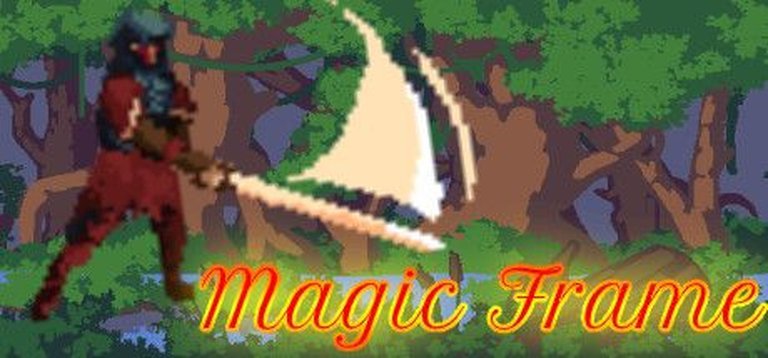
Magic Frame is a 2D side-scrolling platformer action game set in a fantasy world, developed and published by Nimos Games for Windows using the Unity engine. Players engage in direct control gameplay, navigating side-view levels filled with platforming challenges in this indie title released in 2021.
Where to Buy Magic Frame
PC
Magic Frame Reviews & Reception
steambase.io (56/100): Player Score of 56 / 100… rating of Mixed.
store.steampowered.com (63/100): Mixed (63% of the 22 user reviews for this game are positive).
Magic Frame: Review
Introduction
In an era where indie developers channel the pixelated ghosts of gaming’s golden age, Magic Frame emerges as a nostalgic love letter to the side-scrolling platformers of yore—think Mega Man, Castlevania, or Super Meat Boy‘s brutal precision. Released in 2021 by the solo(ish) efforts of Nimos Games, this Unity-powered title promises a “satisfyingly smooth, but challenging platformer” that evokes childhood memories through frame-by-frame pixel art and boss-rush intensity. Yet, beneath its retro sheen lies a game that sweats the player as much as it does itself: a tight, unforgiving adventure that upgrades homage into a double-edged sword. My thesis? Magic Frame captures the essence of classic platformers admirably in its mechanics and visuals but stumbles in depth, polish, and staying power, cementing it as a competent curio rather than a genre-defining gem in indie history.
Development History & Context
Nimos Games, a modest indie outfit likely helmed by a small team or passionate solo developer (as inferred from sparse credits on MobyGames), dropped Magic Frame on Steam on May 11, 2021. Built on Unity—a staple for bootstrapped indies due to its accessibility and cross-platform potential—this was no AAA production but a labor of love amid the post-pandemic indie explosion. The early 2020s saw Steam flooded with retro platformers (Celeste clones, Metroidvanias like Hollow Knight successors), fueled by tools like Unity and Aseprite for pixel art. Technological constraints? Minimal for modern hardware, but the game’s modest specs (Intel HD 4000 minimum GPU) nod to broader accessibility, targeting nostalgia seekers on budget rigs.
The gaming landscape in 2021 was saturated: precision platformers like Pizza Tower (in development) and Dead Cells dominated, while free-to-play battle royales and live-service giants overshadowed shorts like this. Nimos’ vision, per the Steam blurb, was straightforward—revive “classic platformers” with upgrades and bosses, dodging bloat for pure action. No grand E3 reveals or Kickstarter campaigns; it launched quietly at $0.99 (often 51% off at $0.49), bundled in cheap packs like “2 in 1 Bundle Frames.” Updates continued post-launch—a 2024 “Summer Update” fixed bugs, optimized loading/graphics, and reduced lag—showing ongoing care despite low visibility. In context, Magic Frame embodies the indie underdog: high ambition, low budget, released into a market prizing innovation over imitation.
Narrative & Thematic Deep Dive
Magic Frame eschews deep storytelling for pure gameplay propulsion, a deliberate callback to NES-era platformers where plot was a pamphlet blurb: “Go on a journey… explore levels and caves, fight bosses.” Set in a vague fantasy realm (per MobyGames), players embody an unnamed protagonist—tagged as a “Villain Protagonist” in user Steam labels, hinting at a darker anti-hero vibe amid pixelated chaos. No cutscenes, voiced dialogue, or branching paths; the “narrative” unfolds via environmental progression: caves riddled with traps, enemy hordes, and colossal bosses guarding the next stage.
Thematically, it’s about mastery through adversity—”sweat to defeat your enemies,” as the ad blurb demands. Upgrades symbolize growth, mirroring the skill trees of modern roguelites, but rooted in retro persistence (collect resources, enhance gear, retry). Subtle motifs emerge in level design: “magic frames” evoke framed memories or portals, tying into pixel art’s “frame-by-frame” craft, perhaps meta-commenting on animation’s labor. No characters beyond foes; bosses are archetypal guardians (implied from “kill the boss—the only way to go further”). Dialogue? Absent, replaced by ambient cues.
Critically, this minimalism is double-edged: empowering for purists, barren for modern audiences craving lore (contrast Behind the Frame‘s emotional beats, accidentally conflated in searches). Themes of nostalgia vs. evolution shine—childhood “memories of classic platformers”—but lack emotional anchors, making it feel like a demo loop rather than a tale. In extreme detail, progression implies a hero’s ascent from novice to legend, but without explicit arcs, it’s player-imposed narrative: your deaths forge the story.
Gameplay Mechanics & Systems
At its core, Magic Frame is a 2D side-view scrolling platformer with direct control, blending hack-and-slash combat, precision jumps, and light RPG progression. Core loop: traverse levels teeming with enemies, dodge traps/obstacles, collect for upgrades, culminate in boss fights. Direct control feels “satisfyingly smooth,” per promo—responsive jumps, attacks, and movement evoke Mega Man with Unity polish.
Combat & Progression
Enemies swarm in “challenging levels,” demanding pattern recognition and aggression. Combat is fast-paced (user-tagged “Hack and Slash,” “Fast-Paced”), with melee/ranged options upgraded via gear (weapons, skills). Progression: farm resources from foes/traps, spend on equipment/skill trees—echoing Dead Cells lite. No Metroidvania gates (pure linear), but replay value from Steam Achievements, difficulty spikes, and “Dungeon Crawler” vibes in caves.
Platforming & Challenges
Precision is king: “Beware of traps, avoid obstacles.” Jumps require pixel-perfect timing (tags: “Precision Platformer,” “Difficult”); Steam forums gripe about Stage 4’s “orb jumping platform” collision issues (pre-update?). Bosses gate progress—multi-phase behemoths testing upgrades. UI is minimalist (health, upgrades HUD), but flaws surface: screen shake complaints, broken achievements (community posts), no difficulty adjust (fixed playtime queries suggest 2-5 hours).
Innovations? Frame-by-frame responsiveness nods to retro fidelity; upgrades add depth absent in pure classics. Flaws: repetition (enemy variety low?), unpolished hitboxes (player reports). Overall, loops satisfy short bursts but falter in endurance—8/10 for purists, 5/10 for casuals.
World-Building, Art & Sound
The fantasy setting is a pixelated dreamscape: scrolling 2D levels/caves blending lush forests, dark dungeons, and boss arenas. Atmosphere builds via high-quality frame-by-frame pixel art—crisp, animated sprites reliving “childhood memories,” tagged “Pixel Graphics,” “Retro,” “Atmospheric.” Visual direction evokes SNES-era polish (smooth parallax scrolling?), with traps (spikes, lasers) and obstacles (moving platforms) enhancing peril.
Sound design amplifies immersion: Great Soundtrack (user tag, separate DLC) pulses with chiptune-ambient tracks syncing jumps/bosses. SFX crisp—sword clashes, enemy grunts—fostering tension. No voice acting; ambient effects (cave echoes, magic whooshes) contribute to “enjoy the ambient” ethos. Collectively, these forge a cohesive retro vibe: art evokes wonder, sound drives rhythm, but sparse variety (few biomes?) limits scale. On low-end hardware, it shines—optimized post-updates—making worlds feel alive despite linearity.
Reception & Legacy
Launch reception was muted: Mixed Steam verdict (63% positive from 22 reviews; ~54/100 player score). Positives praise challenge, art, nostalgia (“relive classics”); negatives hit bugs (crashes, Stage 4 glitches), repetition, short length. No MobyGames/Metacritic scores (0 critics, 0 players); forums sparse (peak 2 CCU, 0 recent). Commercial? Ultra-niche—$0.49 sales, bundles, 2024 updates show persistence, but <100 owners inferred from charts.
Legacy? Minimal influence—part of 2021’s indie platformer wave (Rogue Legacy 2, Souldiers), but obscured by giants. No citations, clones, or academic nods (unlike Celeste). Influences Magic Griddlers 2 tangentially (same “magic” theme). Evolving rep: patches improved it, but obscurity endures—cult curiosity for pixel purists, not industry shaker.
Conclusion
Magic Frame distills classic platformers into a sweaty, upgrade-fueled gauntlet: stellar pixel art and tight controls honor the past, but thin narrative, polish issues, and brevity cap its heights. In video game history, it slots as a respectable indie footnote—a 2021 relic evoking NES joy amid Steam’s deluge, best for 99-cent nostalgia dives (7/10). Nimos Games proves small teams can craft smooth challenges; future titles could elevate it. Play if you crave retro rigor, skip if depth beckons—its frame captures magic, but the picture remains unfinished.