
- Release Year: 2005
- Platforms: Windows
- Publisher: Big Fish Games, Inc
- Developer: Inertia Software
- Genre: Puzzle, Strategy, Tactics
- Perspective: 1st-person
- Game Mode: Single-player
- Gameplay: Tile matching puzzle, Time management, Turn-based
Description
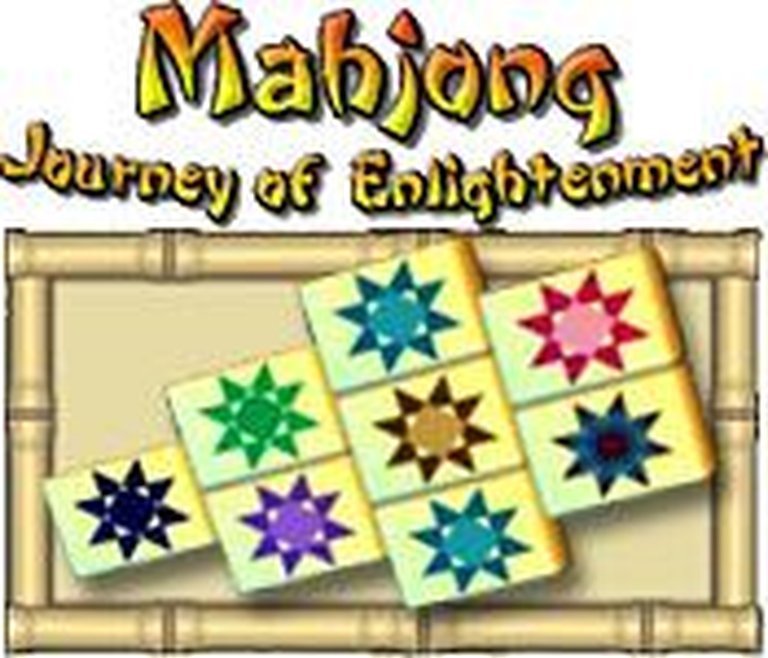
Mahjong: Journey of Enlightenment is a single-player tile-matching puzzle game set across six increasingly challenging rounds. Players use the mouse to match tiles under a time limit, earning extra time with each successful pair. The game features random layouts, diverse tile sets, lighting, music, and backgrounds, ensuring a unique experience each time. As players progress, they unlock additional backgrounds, tile sets, and layouts, enhancing the gameplay variety.
Mahjong: Journey of Enlightenment Guides & Walkthroughs
Mahjong: Journey of Enlightenment: A Pivotal Puzzle Voyage
1. Introduction
In the vast, often-overlooked landscape of digital puzzle games, few genres possess the serene complexity and cultural resonance of Mahjong. While countless titles have attempted to digitize this ancient tile-matching ritual, Mahjong: Journey of Enlightenment (2005) stands as a quietly revolutionary entry. Developed by Inertia Software and published by Big Fish Games, this Windows-exclusive title transcended mere digital recreation, transforming the solitaire variant of Mahjong into a meditative, progression-driven odyssey. Its core thesis—elevating the traditionally static experience into a dynamic journey of unlockable content and randomized replayability—wasn’t just innovative for its time; it prefigured the modern “casual” game model. As a professional historian and journalist, this review will dissect how Journey of Enlightenment leveraged the Mahjong framework to create an enduring, if understated, masterpiece of puzzle design.
2. Development History & Context
Inertia Software’s Vision and Technological Constraints
Developed by Inertia Software, a studio specializing in accessible puzzle titles, Journey of Enlightenment emerged during a pivotal moment for casual gaming. The mid-2000s saw the rise of digital distribution platforms like Big Fish Games, which championed “try-before-you-buy” models and catered to a growing audience of non-traditional gamers. Inertia Software’s vision was clear: to modernize the classic Shanghai-style Mahjong solitaire by infusing it with adventure mechanics and a sense of progression. Technologically, the game operated within the modest constraints of the era. It required only a 500 MHz processor, 32MB of RAM (later sources specify 128MB for smoother play), and DirectX 9-compatible 3D acceleration. These limitations were ingeniously turned into strengths: the game’s reliance on fixed/flip-screen visuals and 1st-person perspective ensured it ran smoothly on mid-2000s hardware, while its relatively small 6MB installation size minimized barriers to entry. The development team prioritized accessibility, focusing on mouse-driven controls and a direct interface that allowed players to engage with tiles intuitively, avoiding the convoluted menus that plagued other puzzle titles of the time. This pragmatism reflected a deep understanding of their target demographic: casual players seeking mental stimulation without steep learning curves.
The Gaming Landscape of 2005
The gaming landscape in 2005 was dominated by triple-A console blockbusters and the nascent MMO boom. However, the PC space was witnessing a quiet revolution in casual gaming. Titles like Diner Dash and Mysteries of Egypt (also published by Big Fish Games) were proving that bite-sized, affordable experiences could achieve massive commercial success. Mahjong: Journey of Enlightenment arrived as part of this wave, strategically leveraging the publisher’s distribution muscle. Its release on August 13, 2005 (per Metacritic), coincided with the explosion of “hidden object” games, yet it carved its own niche by prioritizing tile-matching depth over narrative or object-finding. The absence of direct competition in the Mahjongg solitaire space allowed it to dominate a niche, but its design choices—particularly the inclusion of randomized elements and unlockable content—were prescient, influencing later puzzle games like Mahjongg Dimensions Deluxe: Tiles in Time and Tropico Jong: Butterfly Expedition.
3. Narrative & Thematic Deep Dive
The Journey of Enlightenment: A Minimalist Epic
Mahjong: Journey of Enlightenment eschews traditional cutscenes or extensive dialogue in favor of a purely thematic narrative. The “journey” is not a literal quest but a metaphor for the player’s mental progression. Each successful tile match represents a small step toward “enlightenment,” a state symbolized by the gradual unlocking of game assets. The game’s six rounds of increasing difficulty serve as ascending levels of spiritual ascension, mirroring the concept of enlightenment as a gradual process rather than an endpoint. This minimalist approach is deliberate: it allows players to project their own meditative focus onto the experience, with the tile-matching mechanics acting as the primary storytelling device. The absence of characters or plot-driven conflicts shifts the narrative focus to the player’s own cognitive journey, creating a deeply personal experience.
Unlockables as Thematic Rewards
The game’s progression system is its narrative core. Unlocking over 1,000 hidden items—including backgrounds, tile sets, and layouts—is framed not as mere content, but as tangible evidence of the player’s “enlightenment.” A bamboo-themed layout unlocked in Round 3 isn’t just a new aesthetic; it’s a reward for mastering the game’s strategic depth, symbolizing harmony with nature. Similarly, unlocking “ethereal” lighting effects or serene musical tracks reinforces the game’s core theme: that true mastery leads to a transcendent, beautiful state. The “Free-Play” mode, accessible after completing the Adventure mode, acts as the ultimate reward—a sandbox of enlightenment where players can freely explore the assets they’ve earned, embodying the Zen ideal of playing without attachment to outcome. This thematic cohesion elevates what could have been a simple collection system into a meaningful progression mechanic.
4. Gameplay Mechanics & Systems
Core Tile-Matching Loop
At its heart, Journey of Enlightenment is a masterclass in tile-matching mechanics. The game adheres to the classic Shanghai rules: players must clear the board by matching two identical, free tiles (those with at least one side unblocked). Inertia Software refined this formula with a time limit, creating tension without overwhelming frustration. Crucially, every matched pair grants bonus time, turning the clock from a punitive element into a dynamic reward system. This encourages strategic prioritization—saving “difficult” pairs to maximize time bonuses—adding layers of depth to a seemingly simple puzzle. The game’s 1st-person perspective and direct mouse controls ensure tactile satisfaction, with satisfying sound effects confirming each successful match.
Randomization and Replayability
The game’s most innovative feature is its commitment to procedural generation. Each “journey” features random tile layouts, tile sets, lighting effects, music, and backgrounds. This ensures that no two playthroughs are identical, addressing a common criticism of traditional Mahjong solitaire games: their static layouts. The inclusion of over 1,000 layouts (as advertised on Inertia Software’s site) and hundreds of tile sets guarantees near-infinite replayability. This randomness is balanced by increasing difficulty across six rounds, with layouts becoming more complex and time limits tighter in later stages. The result is a game that feels fresh and challenging even after dozens of hours.
Modes and Progression
The game offers two distinct modes: “Adventure” and “Free-Play.” Adventure mode is the structured journey, guiding players through the six rounds and unlocking content as they progress. Free-Play mode, unlocked upon completion, allows players to access all unlocked assets—layouts, tile sets, and backgrounds—without time constraints or fixed rounds. This dual-mode structure caters to both players seeking guided progression and those wanting to relax with custom boards. The progression system itself is brilliant: completing rounds unlocks new assets, encouraging replay to achieve 100% completion. While the UI is simple (a direct control interface with a timer and score display), it’s highly functional, placing the focus squarely on the puzzle itself.
5. World-Building, Art & Sound
Visual Design: From Functional to Ethereal
The game’s world-building is subtle but effective. While lacking a literal setting, the unlockable backgrounds create distinct atmospheres: serene bamboo forests, tranquil temples, and misty mountains. These environments are more than backdrops; they shape the player’s mood, enhancing the meditative quality of the experience. The tile sets are equally varied, ranging from traditional bamboo and character tiles to more fantastical, “enlightenment”-themed designs. Inertia Software leveraged 3D acceleration to render tiles with subtle depth and lighting effects, making them feel tactile despite the fixed-screen perspective. The visual polish is evident in details like shimmering reflections on water-themed backgrounds or the warm glow of temple lighting, which shift dynamically with each randomized session.
Sound Design: A Sonic Tapestry of Serenity
The sound design is integral to the game’s atmosphere. Music and ambient sounds are randomized alongside visual elements, ensuring each journey feels unique. The soundtrack blends traditional East Asian instruments with ambient electronica, creating a calming yet modern soundscape. Subtle chimes and soft percussion accompany tile matches, turning every action into a small, harmonious event. The absence of intrusive audio cues respects the player’s focus, while the randomized music prevents repetition from dulling the experience. This sonic attention to detail fosters the game’s core theme of mindfulness, where sound, sight, and strategy converge into a unified whole.
6. Reception & Legacy
Commercial Success and Critical Silence
Mahjong: Journey of Enlightenment achieved significant commercial success, buoyed by Big Fish Games’ dominant distribution platform. Its inclusion in the “Amazing Mahjong Games 3 Pack” (2011) cemented its status as a genre staple. However, critical reception was muted. Metacritic lists no critic reviews, and MobyGames shows no user ratings—a likely consequence of its casual appeal, which often flies under the radar of mainstream gaming press. Nevertheless, its success within its niche was undeniable. The game’s sales model—downloading a free trial before purchasing—proved massively profitable for Big Fish Games, demonstrating the viability of digital casual distribution. Player reviews from contemporary sources (e.g., Big Ant Games) praised its “enchanting” 3D graphics and “challenging gameplay,” though formal analysis was sparse.
Enduring Influence
Legacy-wise, Mahjong: Journey of Enlightenment was a trailblazer. Its emphasis on randomized layouts and unlockable content directly influenced subsequent Mahjong titles, including Mahjongg Dimensions Deluxe: Tiles in Time and Royal Mahjong: King’s Journey. More broadly, it popularized the “journey” mechanic in casual puzzle games, where progression and unlockables became as important as the core gameplay. Its success validated Big Fish Games’ strategy of blending accessible mechanics with depth, paving the way for titles like Fairway Solitaire and Jewel Quest Solitaire. While it never achieved the mainstream fame of Myst or Tetris, its impact on the casual puzzle genre is undeniable. It proved that Mahjong could be more than a digital adaptation—it could be a dynamic, evolving experience.
7. Conclusion
Mahjong: Journey of Enlightenment is a testament to the power of focused design. Inertia Software and Big Fish Games didn’t just create a Mahjong game; they crafted a philosophy of gameplay, where every tile match was a step toward mastery and every unlock a reward for enlightenment. Its randomized mechanics, progression system, and serene artistry transformed a centuries-old pastime into a modern, accessible, and deeply engaging experience. While its critical acclaim may have been limited by its casual nature, its commercial success and influence on the puzzle genre are undeniable. In an era dominated by spectacle and scale, Journey of Enlightenment offered a quiet revolution—a game where depth emerged not from explosions or narratives, but from the perfect alignment of tiles and the satisfaction of a mind in harmony. It remains not just a great Mahjong game, but a vital piece of gaming history, proving that the most profound journeys often begin with a single, thoughtful move.