
- Release Year: 2007
- Platforms: Windows
- Publisher: media Verlagsgesellschaft mbH
- Developer: TASK four
- Genre: Puzzle
- Perspective: Top-down
- Game Mode: Single-player
- Gameplay: Puzzle, Tile matching
- Average Score: 35/100
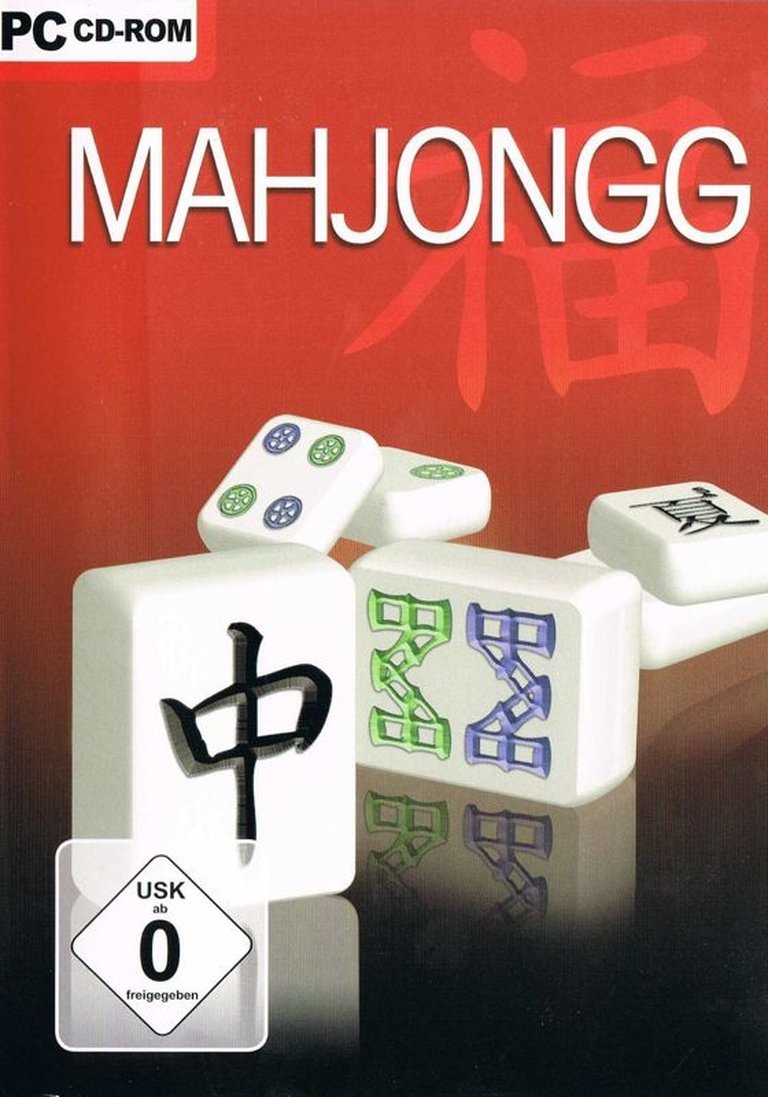
Description
Mahjongg is a one-player digital solitaire adaptation of the classic Chinese tile-matching game, offering strategic puzzle gameplay. Featuring 10 diverse graphics sets and 200 unique layouts, players must clear intricate tile arrangements by matching identical pieces while navigating challenging patterns and rules rooted in traditional Mahjong.
Mahjongg Cheats & Codes
Mahjong Titans (PC)
| Code | Effect |
|---|---|
| H | Reveal tile matches during gameplay |
Strip Mahjong (PC)
Use DOS utility DEBUG on backup file. Commands: ren 4r.ae cheater.cht, debug cheater.cht, e 32dd 0, e 5cc8 0, e 7403 0, e 4b56 eb, w, q, then rename back.
| Code | Effect |
|---|---|
| DEBUG modifications | Infinite lives |
Mahjongg: Review
Introduction
From the bustling tea houses of 19th-century China to the pixelated screens of modern PCs, Mahjongg (2007) represents a digital homage to one of history’s most enduring tile-based games. Developed by TASK four and published by media Verlagsgesellschaft mbH, this Windows adaptation transforms the traditional multiplayer pastime into a solitary, contemplative experience. While the original Mahjong is a social game of strategy and chance, this iteration distills its essence into a solo puzzle format, prioritizing accessibility and repetition over competitive play. Though it lacks the cultural richness of its physical counterpart, Mahjongg (2007) serves as a gateway to the game’s legacy—for better or worse.
Development History & Context
Studio Vision & Technological Constraints
TASK four, a German studio specializing in casual games, aimed to replicate the tactile satisfaction of Mahjong for PC audiences. Released in 2007, the game arrived during a transitional era for puzzle games, sandwiched between the rise of mobile gaming and the decline of CD-ROM-dominated software. With limited processing power required, Mahjongg targeted older systems, emphasizing simplicity over graphical fidelity. The developers prioritized straightforward mechanics, likely to accommodate players unfamiliar with Mahjong’s traditional rules.
The Gaming Landscape of 2007
The mid-2000s saw a surge in digital adaptations of classic games (Solitaire, Chess), driven by nostalgic appeal and low development costs. Mahjongg entered a crowded market of tile-matching clones, competing with titles like Shanghai: Dynasty and Mahjong Quest. Unlike its contemporaries, however, it adhered to a no-frills approach, avoiding narrative flourishes or power-ups. This minimalist design reflected both budgetary constraints and a desire to appeal to purists seeking an unadulterated experience.
Narrative & Thematic Deep Dive
Absence of Narrative
As a puzzle game, Mahjongg (2007) lacks a narrative framework. There are no characters, plotlines, or symbolic quests—only tiles waiting to be matched. This absence mirrors the meditative quality of physical Mahjong, where the focus lies in pattern recognition and mental discipline.
Themes: Tradition vs. Solitude
Thematically, the game underscores the tension between Mahjong’s communal origins and its digitized solitude. Traditional Mahjong is a social ritual, woven into family gatherings and gambling halls. By contrast, this version isolates the player, reducing the game to a series of solitaire puzzles. While this streamlining broadens accessibility, it sacrifices the interpersonal dynamics that define Mahjong’s cultural significance.
Gameplay Mechanics & Systems
Core Loop
Players dismantle stacked tile formations by matching identical pairs, adhering to the classic “Shanghai” solitaire rules. Tiles must be free on at least one side (left or right) to be selectable, layering strategic depth: removing the wrong tile can block progress. With 200 pre-designed layouts and three difficulty settings, the game offers ample variety, though repetition sets in quickly.
UI & Features
– Undo Function: A lifeline for correcting misclicks, crucial for complex layouts.
– Help System: Highlights available moves, easing the learning curve.
– Themes: Ten visual sets range from traditional Chinese motifs to abstract designs, though these are cosmetic and don’t affect gameplay.
Flaws
The lack of procedural generation limits replayability. Once puzzles are solved, there’s little incentive to revisit them. The UI, while functional, feels dated, with clunky mouse controls and static menus.
World-Building, Art & Sound
Visual Design
The ten tile sets are the game’s standout feature. The “Classic” theme mimics bone-and-bamboo craftsmanship, while others venture into geometric or floral patterns. However, the low-resolution textures and flat colors betray the era’s technical limitations.
Sound Design
Ambient chimes and tile-clicking effects provide auditory feedback, but the soundtrack is sparse. The absence of dynamic music or ambient tracks makes sessions feel sterile, lacking the atmospheric buzz of a real Mahjong parlor.
Reception & Legacy
Critical Response
Documented reviews are scarce, but user impressions paint a picture of muted appreciation. The game’s adherence to tradition pleased purists, while its lack of innovation drew criticism. MobyGames lists no official critic reviews, and Metacritic lacks aggregated scores, suggesting it flew under the radar.
Legacy
Mahjongg (2007) exemplifies the challenges of adapting analog games to digital platforms. While it preserved Mahjong’s basic mechanics, it failed to evolve them, becoming a relic in an era of increasingly sophisticated puzzle games. Yet, its accessibility likely introduced many to Mahjong, paving the way for later titles like Mahjong Tales: Ancient Wisdom (2009), which blended tradition with modern storytelling.
Conclusion
Mahjongg (2007) is a double-edged sword. It succeeds as a faithful, approachable rendition of the classic game, ideal for casual players seeking a meditative challenge. Yet its refusal to innovate—coupled with barebones presentation—renders it a footnote in the genre’s history. For historians, it’s a fascinating case study in adaptation; for modern audiences, it’s a nostalgic curiosity, best appreciated as a digital artifact of Mahjong’s enduring appeal.
Final Verdict: A competent but unambitious tribute to Mahjong’s legacy, ideal for purists but eclipsed by richer, more dynamic successors.