
- Release Year: 2022
- Platforms: Windows
- Publisher: Meridian4, Inc.
- Developer: Tiamat Games OÜ
- Genre: Simulation
- Perspective: Third-person
- Game Mode: Single-player
- Gameplay: Business simulation, Managerial
- Setting: Caribbean, Sea pirates
- Average Score: 61/100
Description
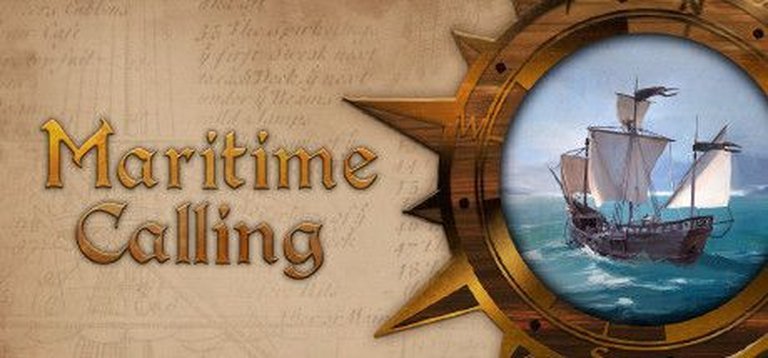
Maritime Calling is a narrative-driven RPG set in the pirate-infested Caribbean, where players captain their own ship, manage crew duties, engage in naval combat, and explore procedurally generated islands. As captain, you must navigate treacherous waters, avoid shoals, maintain ship integrity, assign sailors to vital roles, and lead land expeditions while breaking the Empire’s grip on the New World—all with the constant tension of permadeath.
Gameplay Videos
Where to Buy Maritime Calling
PC
Maritime Calling Cracks & Fixes
Maritime Calling Guides & Walkthroughs
Maritime Calling Reviews & Reception
steamcommunity.com : The gameplay itself is fun, I like the exploration element, sea combat is adequate and trying to level your crew is really satisfying. I would say, for its price its worth it.
Maritime Calling: A Seafaring Ambition Undone by the Depths
Introduction
The siren call of the open sea has long captivated the human imagination, inspiring tales of adventure, conquest, and survival. In the digital realm, few genres evoke this romanticized peril quite like the seafaring simulation. Maritime Calling, developed by Estonian indie studio Tiamat Games and published by Meridian4, arrived in April 2022 with a bold promise: to merge the meticulous ship management of FTL, the exploration of Sid Meier’s Pirates!, and the permadeath tension of roguelikes into a single, cohesive voyage. Yet, beneath its compelling premise lies a fractured experience—a game brimming with ambitious ideas but ultimately constrained by technical shortcomings and a lack of depth. This review delves into the stormy waters of Maritime Calling, dissecting its development, narrative, mechanics, and legacy to determine whether it charts a course for greatness or founders on the rocks of unfulfilled potential.
Development History & Context
The Studio’s Vision
Tiamat Games, a small independent studio founded in Estonia, emerged with a singular vision: to resurrect the dormant seafaring RPG genre. Drawing inspiration from classics like Sid Meier’s Pirates! and FTL, their goal was to craft a “comprehensive seafaring game” that transcended mere combat, delving into the gritty realism of shipboard life and the mysteries of uncharted lands. As articulated in developer diaries, the team sought to capture “the thrill of discovery” and the “hardships and excitements of running a sail ship,” emphasizing authenticity over spectacle. This ambition was crystallized in a 2019 video showcasing early prototypes, where the Game Director described the game as a “fresh coat of paint” to a “hibernated genre.”
Technological Constraints & the Unity Engine
Built on the ubiquitous Unity engine, Maritime Calling leveraged modern tools to create a procedurally generated oceanic world, but its technical ambitions often outpaced the engine’s capabilities. The developers acknowledged the challenges of indie development in a 2021 IndieDB post, admitting that “entering the game development scene is never easy for a small indie studio” and relying heavily on community feedback during its Early Access phase (which began September 2021). Unity allowed for rapid prototyping but resulted in noticeable limitations—collision detection described as “wonky” by players and stiff animations that undermined the otherwise dynamic ship models. The studio’s modest resources meant compromises in visual polish and content variety, issues that persisted through to the full release.
The Gaming Landscape of 2022
When Maritime Calling launched in April 2022, the indie simulation scene was burgeoning, with titles like Valheim and Raft dominating early access. However, the naval subgenre remained a niche. While Sea of Thieves and Assassin’s Creed IV: Black Flag offered high-budget spectacles, few games focused on the granular, simulation-heavy experience Tiamat aspired to create. The market was primed for a deep, roguelite naval RPG, but competition from established franchises and the saturated indie space made standing out a formidable challenge.
Narrative & Thematic Deep Dive
The Plot & Player Agency
The narrative framework of Maritime Calling is minimalist yet evocative. Players assume the role of a captain leading an expedition into the “New World” to break the “Empire’s oppressive hold.” This colonial backdrop serves as a loose foundation for the game’s episodic adventures. The plot unfolds through two primary channels: naval encounters (e.g., battling pirates or Empire patrols) and text-based expeditions on islands. These expeditions—reminiscent of classic RPG text adventures—present branching narratives where players make decisions using keywords and resources. Choices can yield treasure, forge alliances with “suspicious natives,” or trigger calamities like disease or mutinies. While the central narrative lacks a cohesive arc, it succeeds in generating emergent stories, driven by player risk-taking and consequence.
Characters & Dialogue
Character depth is limited, with the player’s captain being a silent protagonist defined solely by actions, not personality. The crew, however, receives more nuanced treatment. Sailors have individual roles (e.g., helmsman, gunner), morale stats, and skill trees that unlock specializations. Dialogue is sparse but functional, primarily confined to expedition texts where NPCs speak in archaic, sea-faring vernacular (“Arr, what be yer business here, stranger?”). This stylistic choice enhances immersion but often feels repetitive. Notably, the absence of voiced lines or detailed character portraits leaves the crew feeling more like resource nodes than individuals—a missed opportunity for emotional investment in a game centered on survival.
Underlying Themes
Maritime Calling explores themes of exploration, exploitation, and resilience. The procedurally generated world symbolizes the unknown dangers and rewards of colonial expansion, while the “no second chances” permadeath mechanic underscores the fragility of life at sea. The Empire’s presence critiques unchecked authority, though this theme remains underdeveloped. Ultimately, the game’s core theme is the tension between ambition and survival—a captain’s dream of glory constantly thwarted by storms, mutiny, and scarcity.
Gameplay Mechanics & Systems
Core Loops: A Triptych of Tension
Maritime Calling revolves around three interconnected gameplay loops: ship management, naval combat, and island expeditions.
– Ship Management: The most innovative feature is the direct control of the vessel. Players must manually adjust sails, rigging, and rudder while avoiding shoals and storms. This real-time navigation creates genuine tension; miscalculating wind direction or capsizing in rough weather can spell doom. Below decks, crew management becomes a logistical puzzle: sailors must be assigned to repairs, cannon duty, or rest, while rations and morale must be balanced. A highlight is the food system, where players customize ration portions (from half to double), directly impacting crew health and morale—a clever risk/reward mechanic.
– Naval Combat: Battles are straightforward but strategic. Players maneuver for broadside advantage, manage cannon reload times, and target enemy ship components (sails, hull). While functional, combat lacks depth; enemy AI is predictable, and the single ship type (with minor upgrades) limits tactical variety.
– Island Expeditions: These text-driven segments provide narrative flavor and resource gathering. Players navigate procedurally generated encounters (e.g., investigating a shipwreck or negotiating with natives) by choosing dialogue options and managing keywords. The system is engaging but repetitive, with outcomes often feeling random despite tooltips for resources.
Character Progression & Innovation
Progression focuses on two axes: ship upgrades and crew leveling. Research points, earned through exploration and victory, unlock hull reinforcements, cannon improvements, or new sails. Crew members gain XP from combat and expeditions, unlocking skills like “Heavy Cannon” or “Medic.” This system encourages specialization but suffers from a lack of meaningful choices. The permadeath mechanic, however, is a masterstroke in tension. Every decision—whether to chase a storm for loot or conserve supplies—carries existential weight, making failure a narrative as much as a mechanical consequence.
UI, Flaws, and Unfulfilled Potential
The interface, utilitarian but cluttered, relies heavily on menus that can feel disjointed from the 3D world. Technical issues plague the experience: collision detection is inconsistent, leading to frustrating shipwrecks on invisible reefs, and animations are stiff, undermining the otherwise appealing ship models. Content-wise, the game is sparse. Only one ship type, three captain archetypes (e.g., “Explorer,” “Trader”), and a handful of enemy varieties limit long-term engagement. While Early Access patches added new locations and encounters, the world still feels barren compared to the genre’s giants.
World-Building, Art & Sound
Setting & Atmosphere
The Caribbean-inspired world is a character in itself. Procedurally generated archipelagos feature lush islands, treacherous reefs, ghostly shipwrecks, and storm-lashed seas. The atmosphere oscillates between serene and oppressive: calm waters invite exploration, but distant storms and the creak of timbers evoke constant peril. Tiamat’s goal to make players “feel the salt spray” is partially achieved; the ocean’s vastness and unpredictability create a palpable sense of isolation.
Visual Direction
Artistically, Maritime Calling is competent but unremarkable. The Unity engine renders ships and environments with decent detail, but textures are low-resolution, and lighting is flat. The 3D models, particularly the vessels, are well-designed—their billowing sails and wooden textures evoke the era effectively. However, the world’s procedural nature leads to visual repetition; islands and reefs often blend together, reducing the thrill of discovery. Characters, represented as low-poly figures, lack expressive animations, further distancing players from their crew.
Sound Design
Sound is the game’s weakest pillar. The ocean ambience—waves, wind, and creaking wood—is serviceable but monotonous. Naval combat features cannon volleys and splashes, but these lack punch. Crucially, there are no voice actors; all dialogue is text, stripping expeditions of personality. The absence of a dynamic soundtrack or immersive sound effects undermines the intended atmosphere, leaving the world feeling eerily quiet.
Reception & Legacy
Launch Reception
Upon release, Maritime Calling received mixed reviews. On Steam, 53% of 30 reviews were positive, with players praising the “satisfying” crew progression and “tense” sailing mechanics. However, criticism centered on technical flaws (“wonky collision”), limited content, and a “stiff” UI. One Steam user noted, “the gameplay itself is fun… but it still feels a bit empty.” Metacritic listed a “tbd” critic score, reflecting a lack of mainstream coverage, while OpenCritic omitted the game entirely, indicating it failed to register on major review aggregators.
Commercial Performance
Priced at $7.99–$14.99, Maritime Calling targeted budget-conscious players. It garnered niche sales but failed to chart on Steam, suggesting limited commercial impact. The studio’s reliance on Early Access community feedback hints at modest marketing reach, likely limiting its audience to dedicated simulation enthusiasts.
Legacy & Influence
Maritime Calling‘s legacy is one of unfulfilled promise. Its blend of roguelite permadeath, ship simulation, and text adventures was novel, but its execution was too flawed to inspire imitators. It occupies a curious space in indie history—a testament to the passion of small studios yet a cautionary tale about scope creep. While it didn’t redefine the genre, its procedural world and management systems may have indirectly influenced titles like Barotrauma, which similarly combines survival with naval themes. Tiamat Games’ journey—from Kickstarter campaign to release—also highlights the challenges of sustaining indie projects through Early Access, where community feedback, while valuable, can dilute a cohesive vision.
Conclusion
Maritime Calling is a ship of great ambition but leaky hull. It succeeds in capturing the soul of seafaring adventure—where every gust of wind and mutinous whisper carries weight—through its innovative permadeath and ship management systems. Yet, it founders under the weight of technical mediocrity, content drought, and a narrative that feels more procedural than profound. For fans of niche simulations, it offers a unique, if flawed, voyage into the unknown. For discerning players, it serves as a reminder that ambition alone cannot buoy a game to greatness.
In the annals of video game history, Maritime Calling will not be remembered as a classic, but as a valiant, if flawed, effort to chart a course through unexplored waters. Its legacy lies not in its execution, but in its vision—a reminder that the sea, both real and virtual, remains one of gaming’s last great frontiers, waiting for a captain who can truly conquer its depths.