
- Release Year: 2016
- Platforms: PlayStation 3, PlayStation 4, Windows, Xbox 360, Xbox One
- Publisher: Big Ant Studios Pty Ltd
- Developer: Big Ant Studios Sdn. Bhd.
- Genre: Action
- Perspective: Behind view
- Game Mode: Single-player
- Gameplay: Hack and Slash
- Setting: Fantasy
- Average Score: 70/100
Description
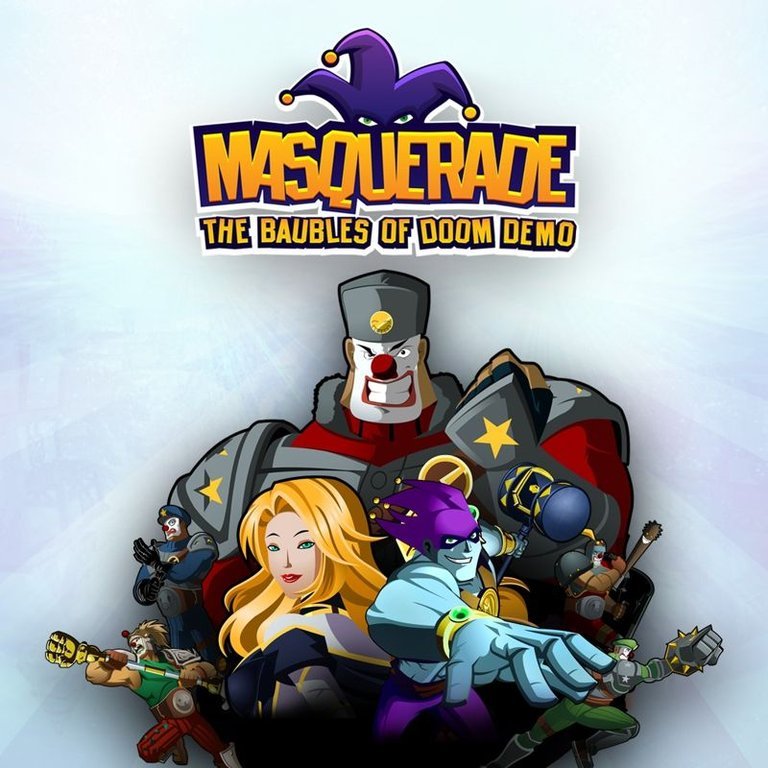
Masquerade: The Baubles of Doom is a comedic fantasy action-adventure beat ’em up game developed by Big Ant Studios. Set in a whimsical world, players engage in hack-and-slash combat while chasing mystical ‘baubles’ that threaten chaos. Featuring a behind-view perspective, the game blends silly humor with chaotic gameplay, though critics noted clunky mechanics and repetitive design. Released in 2016 for multiple platforms, it emphasizes lighthearted storytelling and multiplayer mayhem in a vibrant, quirky setting.
Gameplay Videos
Where to Buy Masquerade: The Baubles of Doom
PC
Masquerade: The Baubles of Doom Free Download
Masquerade: The Baubles of Doom Guides & Walkthroughs
Masquerade: The Baubles of Doom Reviews & Reception
metacritic.com (70/100): Despite the control issues though, Masquerade: The Baubles of Doom is still very much an enjoyable game.
Masquerade: The Baubles of Doom: Review
A Cautionary Tale of Ambition and Constraints in Indie Action-Adventure
Introduction
In the pantheon of cult curiosities, Masquerade: The Baubles of Doom (2016) occupies a peculiar niche: a slapstick fantasy brawler from Australian sports-game stalwarts Big Ant Studios, dripping with irreverent humor yet buckling under its own ambitions. Touted as a love letter to ’90s action-adventure classics, this jester-themed romp promised acrobatic combat, mask-switching mechanics, and Leslie Nielsen-esque comedy. But does it deliver a royal flush or trip over its oversized shoes? This review dissects its legacy as a cautionary artifact of indie development—a game bursting with personality but hamstrung by technical and creative growing pains.
Development History & Context
Studio Identity and Genre Pivot
Big Ant Studios, best known for niche sports titles like Don Bradman Cricket and Rugby League Live, took a sharp left turn into fantasy-comedy with Masquerade. Led by director/producer Mark Bracken, the team aimed to channel the spirit of Jak and Daxter and Ratchet & Clank but with a far leaner budget. Developed in partnership with Sleeping Tiger Studios Sdn. Bhd. and released simultaneously on PlayStation 3, PS4, Xbox 360, Xbox One, and PC in April 2016, the game faced an identity crisis from the start.
Technological and Market Challenges
Built using Bink Video and Faceshift middleware, Masquerade targeted the twilight years of the PS3/Xbox 360 era while awkwardly straddling the transition to PS4/Xbox One. This multi-platform stretch strained resources, evident in the lack of polish. The mid-2010s indie boom—spearheaded by titans like Shovel Knight—raised expectations for tight gameplay loops, but Big Ant’s inexperience in narrative-driven action shone through. Budget constraints, noted by critics like CD-Action, limited scope, resulting in repetitive design and unrefined systems.
Narrative & Thematic Deep Dive
Plot: A Clown Invasion Opera
Set in the whimsical Realm, the story follows Jaxx, a wisecracking jester, and his partner Comedia, as they flee the Clown Army—a legion of morose maniacs seeking the Druid Orbs, mythical artifacts granting world domination. When Comedia is captured, Jaxx must rescue her and thwart the clowns’ leader, Big Nose. The plot leans hard into absurdist humor, with meta-commentary, fourth-wall breaks, and groan-worthy puns (“the most powerful pair of balls in all the land”).
Characters and Dialogue
Jaxx embodies the archetypal snarky hero, voiced with exaggerated bravado, while Comedia’s silent-mime shtik contrasts effectively. NPCs include mushroom-headed sages and bomb-tossing jesters, but character depth is sacrificed for slapstick. The writing—credited to Bracken, Adam Rudd, and Bernice Low—veers between witty and cringeworthy. CD-Action likened its tone to Leslie Nielsen’s films: “silly and childish, but hard to hold back laughter” (July 2016). Yet Push Square lambasted its “misdirected humour,” citing forced quips that undercut emotional stakes.
Themes: Power and Absurdity
Beneath the clown makeup lies a satire of power obsessions. The Orbs symbolize hollow authority, critiquing blind ambition through the Clown Army’s destructive folly. However, thematic coherence is often drowned out by tonal inconsistency—shifting from dark wit to bathroom humor without narrative payoff.
Gameplay Mechanics & Systems
Core Loop: Masks, Combos, and Clown Noses
The game’s standout feature is mask-switching:
– Knight Mask: Heavy melee combat with a hammer.
– Ninja Mask: Stealth takedowns and agility.
– Wizard Mask: Puzzle-solving via elemental blasts.
While innovative, execution falters. Combat apes Batman: Arkham’s free-flow system but feels “floaty and awkward” (Push Square), with delayed counters and spongey enemies. Combo chains build energy for flashy super moves, yet clunky controls undermine satisfaction. Defeated foes drop clown noses (currency for upgrades), encouraging grinding but highlighting repetitive enemy designs.
Platforming and Puzzles
Levels blend combat arenas with platforming (e.g., hopping mushroom caps) and simplistic puzzles (lighting torches with the Wizard Mask). IGN praised “acrobatic moves” but critiqued “stale repetitive gameplay.” The camera, often cinematic in slow-motion “Matrix moments,” frequently obstructs jumps, exacerbating frustration.
Progression and Multiplayer
A linear skill tree unlocks stronger attacks, yet progression feels superficial. Local co-op lets a second player control Comedia, but her moveset mirrors Jaxx’s, missing opportunities for asymmetrical teamwork.
UI and Technical Issues
Menus are functional but bland, lacking the game’s visual flair. Bugs, including collision glitches and audio dropouts, plagued launch versions. PC performance was stable, but console ports suffered framedrops (Steam reviews).
World-Building, Art & Sound
Visual Design: Cartoonish Charm
Masquerade’s Jeff Mahadi-led art team crafted a vibrant, storybook aesthetic—think Fable meets Psychonauts. Lush forests, garish clown camps, and gothic castles pop with color, though textures show their budget limitations. Character models, especially Jaxx’s expressive mask, ooze personality, while enemy designs (e.g., jack-in-the-box bombers) delight despite repetition.
Atmosphere and Audio
FMOD-powered sound design leans into whimsy: slapstick Foley (squeaky hammers, honking noses), bombastic orchestral scores, and narrator-driven quips. However, voice acting oscillates between endearing and grating, with excessive one-liners (Metacritic user reviews). Environmental storytelling—like crumbling Druid temples—hints at richer lore never fully explored.
Reception & Legacy
Launch Reception
Masquerade garnered mixed-to-negative reviews:
– 55% average critic score on MobyGames (based on Push Square’s 5/10 and CD-Action’s 6/10).
– 56/100 on Metacritic (“mixed or average”).
– 75% positive Steam reviews (Mostly Positive), though many later updates cited disappointment.
Critics universally praised its art and humor but skewered “clunky combat” (Push Square) and “repetitive gameplay” (Gamepressure). Commercial performance was tepid, with no sales figures disclosed.
Post-Release Evolution
No DLC or patches significantly addressed criticisms, and Big Ant swiftly returned to sports titles. Despite this, Masquerade retains a cult following among players charmed by its absurdity. Its mask-switching mechanic faintly echoes in games like Kena: Bridge of Spirits, though its legacy is less as an influencer and more as a case study in ambition outstripping execution.
Conclusion
Masquerade: The Baubles of Doom is a fascinating misfire—a game brimming with creative ideas but hobbled by budgetary constraints and developmental inexperience. Its humor, while hit-or-miss, showcases genuine passion, and the mask system hints at unrealized depth. Yet, clunky controls, repetitive design, and technical shortcomings cement its status as a footnote in action-adventure history. For completists of oddball indies, it offers a few hours of irreverent fun; for most, it’s a lesson in how even the boldest jester can stumble onstage. 5/10—a noble effort, but not quite fit for the crown.
Final Verdict: A flawed but earnest experiment that serves as a time capsule of indie growing pains—worth studying, not celebrating.