
- Release Year: 2007
- Platforms: Windows
- Publisher: Microsoft Corporation
- Developer: Microsoft Corporation, Oberon Games, Inc.
- Genre: Card, Compilation, Hearts, Patience, Solitaire, Tile game
- Perspective: Top-down
- Game Mode: Single-player
- Gameplay: Card sorting, Memory Matching, Pattern recognition, Puzzle-solving, Turn-based
- Setting: Abstract
- Average Score: 76/100
Description
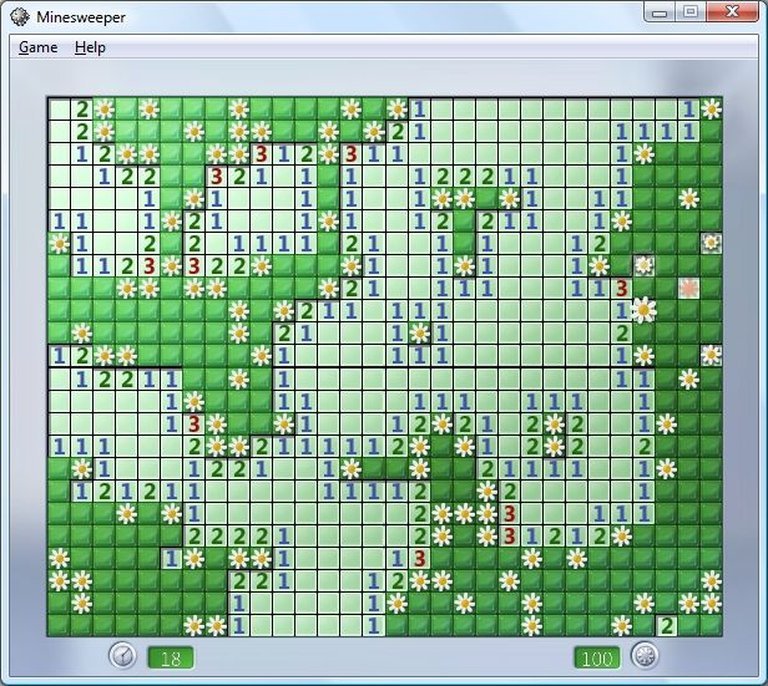
Microsoft Windows Vista (included games) is a compilation of classic and educational games bundled with the Windows Vista operating system. The collection varies by edition, with Home Basic featuring staples like FreeCell, Hearts, Minesweeper, Purble Place, Spider Solitaire, and Solitaire, while higher-tier editions (Home Premium, Business, Enterprise, and Ultimate) add Chess Titans, InkBall, and Mahjong Titans. These games range from card-based challenges and strategic puzzles to memory and pattern-recognition activities designed for children, offering a mix of entertainment and cognitive skill-building.
Microsoft Windows Vista (included games) Cracks & Fixes
Microsoft Windows Vista (included games) Patches & Updates
Microsoft Windows Vista (included games) Reviews & Reception
mobygames.com (76/100): The Home Basic edition included: FreeCell, Hearts, Minesweeper, Purble Place, Spider Solitaire, Solitaire.
vsrecommendedgames.miraheze.org : Vista promised to be revolutionary, but was poorly received due to serious performance and reliability issues.
Microsoft Windows Vista (included games) Cheats & Codes
Windows Minesweeper (Windows 98 and earlier)
Type the code at the start of the game.
| Code | Effect |
|---|---|
| xyzzy | Reveals a small black pixel in the top right corner of the screen when hovering over a mine. |
| [Shift][Shift]xyzzy[Shift][Shift] | Reveals a small black pixel in the top right corner of the screen when hovering over a mine. |
Windows Minesweeper (Windows XP)
Hold [Shift] and type the code, then press one box.
| Code | Effect |
|---|---|
| xyzzx | A small white pixel appears in the top left corner, indicating the highlighted box is safe. |
Windows Minesweeper (Windows 3.0, 3.1, 3.11)
Type the code at the start of the game.
| Code | Effect |
|---|---|
| xyzzy | Reveals a small pixel in the upper-left of the screen indicating safe spaces. |
Windows Minesweeper (Windows 3.1, 95)
Hold Left & Right mouse buttons until a letter ‘O’ appears, then press ‘Esc’.
| Code | Effect |
|---|---|
| Left & Right mouse buttons + Esc | Stops the timer. |
Windows Minesweeper (General)
Hold the Left Mouse Button + Right Mouse Button and press [Esc] or [Ctrl].
| Code | Effect |
|---|---|
| Left Mouse Button + Right Mouse Button + Esc | Unlimited time. |
| Left Mouse Button + Right Mouse Button + Ctrl | Unlimited time. |
Microsoft Hearts (Windows Vista and 7)
Enable the hidden ‘Debug’ menu by editing the Hearts.exe.mui file using Resource Hacker.
| Code | Effect |
|---|---|
| Win | Instantly win the game. |
| Lose | Instantly lose the game. |
| Show Hands | Reveals all players’ hands. |
| Hide Hands | Hides all players’ hands. |
| AutoPlay | Enables autoplay mode. |
| Disable AutoPlay | Disables autoplay mode. |
Microsoft Solitaire (Windows Vista and 7)
Enable the hidden ‘Debug’ menu by editing the Solitaire.exe.mui file using Resource Hacker.
| Code | Effect |
|---|---|
| Alt+Shift+2 | Instantly win the game. |
Microsoft FreeCell (Windows Vista and 7)
Enable the hidden ‘Debug’ menu by editing the FreeCell.exe.mui file using Resource Hacker.
| Code | Effect |
|---|---|
| Ctrl+Shift+F10 | Instantly win the game. |
Microsoft Windows Vista (Included Games): A Comprehensive Retrospective
Introduction
Microsoft Windows Vista, released in 2007, was a pivotal moment in the evolution of the Windows operating system. While often remembered for its controversial reception due to performance and compatibility issues, Vista also marked a significant milestone in the history of casual gaming. The operating system shipped with a suite of pre-installed games that were not merely afterthoughts but carefully crafted experiences designed to showcase Vista’s enhanced graphical capabilities and user interface. These games, ranging from timeless classics like Solitaire and Minesweeper to innovative new additions like Chess Titans and InkBall, played a crucial role in familiarizing users with the new operating system while providing accessible entertainment.
This review delves deep into the development, gameplay mechanics, thematic elements, and legacy of the games included with Windows Vista. By examining these titles, we can better understand their impact on casual gaming, their role in the broader context of Vista’s design philosophy, and their enduring influence on subsequent iterations of Windows.
Development History & Context
The Studio and Creators’ Vision
The games included with Windows Vista were developed primarily by Microsoft Corporation, with contributions from Oberon Games, Inc. The development team included notable figures such as Jane Jensen, who served as the lead developer, and Heather Ivy, who handled the art direction. The team’s vision was to create a suite of games that were not only entertaining but also served as a showcase for Vista’s new features, particularly its Aero interface, which introduced translucent windows, dynamic visuals, and improved graphical fidelity.
The inclusion of these games was strategic. Microsoft aimed to make Vista more appealing to a broader audience by integrating casual gaming into the operating system. This approach was part of a larger trend in the late 2000s, where casual gaming was gaining traction, and Microsoft sought to capitalize on this by providing built-in entertainment options that required no additional installation or purchase.
Technological Constraints and Innovations
Windows Vista introduced several technological advancements that influenced the development of its included games. The Aero interface, with its glass-like transparency and smooth animations, allowed for more visually appealing game designs. The operating system’s improved memory management and graphics rendering capabilities enabled games like Chess Titans to feature 3D graphics and smooth animations, while InkBall leveraged Vista’s enhanced input handling for its unique gameplay mechanics.
However, the development team also faced constraints. The games had to be lightweight enough to run smoothly on the wide range of hardware configurations that Vista supported, from low-end machines to high-performance systems. This required careful optimization to ensure that the games remained accessible without compromising on visual quality or gameplay experience.
The Gaming Landscape at the Time
The late 2000s were a period of significant change in the gaming industry. Casual gaming was on the rise, driven by the popularity of web-based games and the increasing accessibility of personal computers. Microsoft’s decision to include a diverse suite of games with Vista reflected this shift, as the company sought to appeal to both traditional gamers and newcomers who might be intimidated by more complex titles.
At the same time, the gaming landscape was becoming more competitive. Consoles like the Xbox 360 and PlayStation 3 were gaining popularity, and PC gaming was evolving with the advent of digital distribution platforms like Steam. By including games with Vista, Microsoft aimed to position the operating system as not just a productivity tool but also a platform for entertainment, thereby enhancing its appeal to a wider audience.
Narrative & Thematic Deep Dive
Plot and Characters
The games included with Windows Vista do not follow traditional narrative structures, as they are primarily casual and puzzle-based experiences. However, they do convey a sense of purpose and progression through their gameplay mechanics and thematic elements.
-
Chess Titans: This game presents a classic chess experience with a modern twist. The 3D graphics and smooth animations create an immersive atmosphere, making players feel as though they are engaged in a high-stakes match. The AI opponents vary in skill level, providing a sense of progression as players improve their strategies.
-
FreeCell and Solitaire: These card games are designed to be relaxing yet challenging. The goal is to sort the cards according to specific rules, with each game offering a unique twist on the classic solitaire formula. The lack of a narrative is compensated by the strategic depth and the satisfaction of completing a game.
-
Minesweeper: This puzzle game challenges players to reveal hidden mines on a grid using logical deduction. The tension and relief experienced with each click contribute to a micro-narrative of near-success or sudden failure, keeping players engaged.
-
Purble Place: This educational game is designed for children and features three mini-games that teach memory, pattern recognition, and reasoning skills. The lighthearted framing of helping a friendly baker or shopkeeper adds a thematic hook, making the gameplay feel purposeful.
-
InkBall: This game introduces a unique mechanic where players draw lines to direct balls into holes of corresponding colors. The lack of a traditional narrative is offset by the game’s innovative gameplay, which requires quick reflexes and strategic thinking.
Dialogue and Themes
The dialogue in these games is minimal, as they are primarily focused on gameplay. However, the themes they explore are universal and timeless:
-
Strategy and Planning: Games like Chess Titans and Hearts emphasize the importance of strategic thinking and planning. Players must anticipate their opponents’ moves and adapt their strategies accordingly.
-
Patience and Perseverance: Minesweeper and Solitaire teach players the value of patience and perseverance. Success in these games often requires careful consideration and the ability to learn from mistakes.
-
Memory and Reasoning: Purble Place and Mahjong Titans focus on memory and reasoning skills, making them ideal for educational purposes. These games challenge players to recognize patterns and make logical deductions.
-
Quick Reflexes and Dexterity: InkBall and Microsoft Tinker require quick reflexes and dexterity, adding a layer of physical engagement to the gameplay experience.
Gameplay Mechanics & Systems
Core Gameplay Loops
The games included with Windows Vista feature a variety of core gameplay loops, each designed to provide a unique and engaging experience:
-
Card Games (FreeCell, Solitaire, Spider Solitaire, Hearts): These games revolve around sorting and sequencing cards according to specific rules. The core loop involves drawing cards, making strategic moves, and aiming to complete the game by sorting all cards into their respective piles.
-
Puzzle Games (Minesweeper, Mahjong Titans, Microsoft Tinker): These games challenge players to solve puzzles using logical deduction and pattern recognition. The core loop involves revealing hidden elements, making strategic decisions, and progressing through increasingly difficult levels.
-
Strategy Games (Chess Titans): This game focuses on strategic planning and tactical execution. The core loop involves moving pieces, anticipating the opponent’s moves, and aiming to checkmate the opponent’s king.
-
Dexterity Games (InkBall): This game requires quick reflexes and precise timing. The core loop involves drawing lines to direct balls into holes, with each level introducing new challenges and obstacles.
Combat and Character Progression
While the games included with Windows Vista do not feature traditional combat or character progression systems, they do offer varying levels of difficulty and strategic depth:
-
Chess Titans: Players can choose from different AI difficulty levels, allowing them to progress from novice to expert as they improve their skills.
-
Minesweeper: The game offers three difficulty levels, each increasing the size of the grid and the number of mines. This provides a sense of progression as players master the easier levels and move on to more challenging ones.
-
Purble Place: The game features three mini-games with increasing difficulty levels, allowing children to develop their skills gradually.
UI and Innovative Systems
The user interface (UI) of the games included with Windows Vista is designed to be intuitive and user-friendly. The games leverage Vista’s Aero interface to provide a visually appealing and cohesive experience:
-
Chess Titans: The game features a 3D board with smooth animations and realistic textures. Players can rotate the board and zoom in on pieces, enhancing the immersive experience.
-
InkBall: The game’s UI is designed to be simple and intuitive, with clear instructions and visual feedback. Players can easily draw lines and direct balls into holes, making the gameplay accessible to all skill levels.
-
Purble Place: The game’s UI is colorful and engaging, with cheerful backdrops and clear instructions. The mini-games are designed to be easy to understand, making them ideal for children.
Flawed Systems
While the games included with Windows Vista are generally well-designed, they are not without their flaws:
-
Limited Multiplayer Options: Some games, like Hearts, offer multiplayer options, but these are limited to local play or require an internet connection. This can be a drawback for players who prefer offline multiplayer experiences.
-
Lack of Depth in Some Games: Games like FreeCell and Solitaire can become repetitive over time, as they lack the strategic depth and variety found in more complex titles.
-
Dependence on Vista’s Features: The games are tightly integrated with Vista’s features, which can be a drawback for users who prefer a more traditional gaming experience. For example, InkBall relies heavily on Vista’s input handling, which may not be as responsive on older hardware.
World-Building, Art & Sound
Setting and Atmosphere
The games included with Windows Vista are set in a variety of environments, each designed to create a specific atmosphere:
-
Chess Titans: The game is set in a virtual chess parlor, with a 3D board and realistic textures. The atmosphere is one of strategic tension, as players engage in a battle of wits against the AI.
-
Purble Place: The game is set in a cheerful, cartoonish world, with colorful backdrops and friendly characters. The atmosphere is lighthearted and engaging, making it ideal for children.
-
InkBall: The game is set in a vibrant, abstract world, with colorful balls and holes. The atmosphere is one of quick reflexes and precise timing, as players draw lines to direct balls into holes.
Visual Direction
The visual direction of the games included with Windows Vista is designed to showcase the operating system’s enhanced graphical capabilities:
-
Chess Titans: The game features 3D graphics with smooth animations and realistic textures. The visual design is intended to create an immersive chess experience, with a focus on detail and realism.
-
InkBall: The game’s visual design is abstract and colorful, with a focus on clarity and accessibility. The use of bright colors and simple shapes makes the gameplay easy to understand and engaging.
-
Purble Place: The game’s visual design is cheerful and engaging, with a focus on accessibility and educational value. The use of colorful backdrops and friendly characters creates a welcoming atmosphere for children.
Sound Design
The sound design of the games included with Windows Vista is designed to enhance the gameplay experience:
-
Chess Titans: The game features subtle sound effects, such as the clinking of chess pieces and the rustling of the board. These sounds create an immersive atmosphere, making players feel as though they are engaged in a real chess match.
-
InkBall: The game features upbeat and energetic sound effects, such as the bouncing of balls and the swishing of lines. These sounds create a sense of excitement and engagement, enhancing the gameplay experience.
-
Purble Place: The game features cheerful and engaging sound effects, such as the clinking of cakes and the rustling of shop items. These sounds create a lighthearted and welcoming atmosphere, making the gameplay experience enjoyable for children.
Reception & Legacy
Critical and Commercial Reception
The games included with Windows Vista were generally well-received by critics and users alike. They were praised for their accessibility, visual appeal, and strategic depth. However, they were also criticized for their lack of innovation and limited multiplayer options.
-
Chess Titans: The game was praised for its 3D graphics and smooth animations, as well as its varying levels of AI difficulty. However, it was criticized for its lack of multiplayer options and limited replay value.
-
FreeCell and Solitaire: These games were praised for their relaxing yet challenging gameplay, as well as their accessibility. However, they were criticized for their repetitive nature and lack of strategic depth.
-
Minesweeper: The game was praised for its tension and relief, as well as its varying levels of difficulty. However, it was criticized for its lack of innovation and limited replay value.
-
Purble Place: The game was praised for its educational value and cheerful atmosphere, as well as its accessibility. However, it was criticized for its lack of depth and limited replay value.
Evolution of Reputation
Over time, the reputation of the games included with Windows Vista has evolved. While they were initially seen as simple and repetitive, they have since been recognized for their role in popularizing casual gaming and their influence on subsequent iterations of Windows.
-
Chess Titans: The game has been recognized for its role in introducing a new generation of players to the game of chess, as well as its influence on subsequent chess games.
-
FreeCell and Solitaire: These games have been recognized for their role in popularizing casual gaming and their influence on subsequent card games.
-
Minesweeper: The game has been recognized for its role in popularizing puzzle games and its influence on subsequent puzzle games.
-
Purble Place: The game has been recognized for its role in popularizing educational games and its influence on subsequent educational games.
Influence on Subsequent Games and the Industry
The games included with Windows Vista have had a significant influence on subsequent iterations of Windows and the broader gaming industry:
-
Casual Gaming: The inclusion of casual games with Windows Vista helped to popularize casual gaming and paved the way for the rise of mobile gaming.
-
Educational Gaming: The inclusion of educational games like Purble Place helped to popularize educational gaming and paved the way for the rise of educational apps.
-
Strategic Gaming: The inclusion of strategic games like Chess Titans helped to popularize strategic gaming and paved the way for the rise of strategy games.
Conclusion
The games included with Windows Vista represent a pivotal moment in the history of casual gaming. They were not merely afterthoughts but carefully crafted experiences designed to showcase Vista’s enhanced graphical capabilities and user interface. These games played a crucial role in familiarizing users with the new operating system while providing accessible entertainment.
While they were initially seen as simple and repetitive, they have since been recognized for their role in popularizing casual gaming and their influence on subsequent iterations of Windows. The games included with Windows Vista have had a significant influence on the broader gaming industry, paving the way for the rise of mobile gaming, educational gaming, and strategic gaming.
In conclusion, the games included with Windows Vista are a testament to Microsoft’s commitment to providing accessible and engaging entertainment options. They have left a lasting legacy on the gaming industry and continue to be enjoyed by players around the world.