
- Release Year: 2019
- Platforms: Nintendo Switch, Windows
- Publisher: Draw Distance S.A., Impulse Game Studios, LLC
- Developer: Impulse Game Studios, LLC
- Genre: Action, Horror
- Perspective: First-person
- Game Mode: Single-player
- Gameplay: Point and select, Puzzle elements
- Setting: Fantasy
- Average Score: 65/100
Description
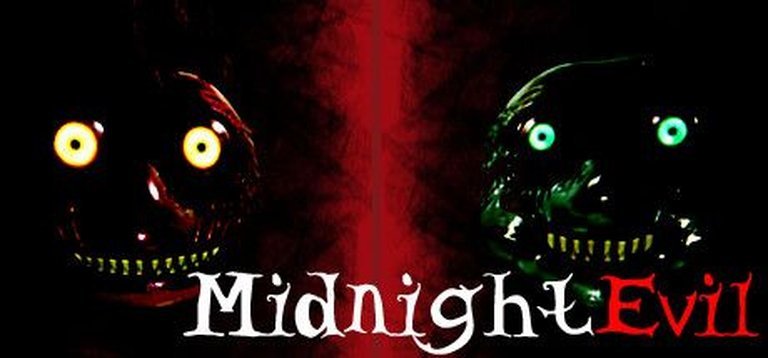
Midnight Evil is a first-person horror game where players uncover a sinister book that unleashes malevolent creatures called Urklings. Set in a cursed village built atop ancient Druid lands, players must survive the night by reading the book’s passages while using voice commands and vigilance to fend off attacks. With elements of sit-and-survive gameplay reminiscent of Five Nights at Freddy’s, the story-driven experience blends puzzle-solving, microphone-controlled actions, and chilling narration as players unravel the ritual required to trap these unkillable swamp-dwelling entities permanently—at a grave personal cost.
Gameplay Videos
Where to Buy Midnight Evil
PC
Midnight Evil Cracks & Fixes
Midnight Evil Guides & Walkthroughs
Midnight Evil Reviews & Reception
steambase.io (71/100): Midnight Evil has earned a Steambase Player Score of 71 / 100.
switchplayer.net (60/100): Midnight Evil offers some jump scares but little in the way of variety of gameplay.
Midnight Evil: Review
In the crowded landscape of indie horror games, Midnight Evil stands out as a unique and unsettling experience. Developed by Nathan Sanders and published by Impulse Game Studios, this first-person horror game combines voice-activated gameplay with a chilling narrative, creating an atmosphere that is both eerie and engaging. Released in February 2019, Midnight Evil has carved out a niche for itself, offering a fresh take on the survival horror genre. This review will delve into the game’s development history, narrative depth, gameplay mechanics, world-building, reception, and legacy, providing a comprehensive analysis of its place in video game history.
Development History & Context
Studio and Creators’ Vision
Midnight Evil was developed by Impulse Game Studios, a small indie studio led by Nathan Sanders. Sanders, who served as the game’s creator, programmer, and character developer, drew inspiration from classic 80’s horror movies, aiming to capture the mystery, magic, and creepy charm of that era. The game’s unique voice-activated mechanics were a deliberate choice to enhance immersion and create a more personal horror experience.
The development team was small but dedicated, with key contributions from Addison Eisenbarth-Debolt on animation, Noah Hayden on modeling and rigging, and Crystal Wood on narrative development. The collaboration between these talented individuals resulted in a cohesive and polished final product, despite the limited resources.
Technological Constraints and Gaming Landscape
Released in 2019, Midnight Evil benefited from the advancements in voice recognition technology and the Unity game engine, which allowed for smooth and responsive gameplay. The game’s reliance on voice commands was a bold move, as it required players to have a compatible microphone and a Windows 10 system. This technological constraint may have limited the game’s initial audience but also added to its novelty and appeal.
The gaming landscape in 2019 was dominated by big-budget AAA titles and a growing indie scene. Midnight Evil stood out by offering a unique and innovative gameplay experience, catering to horror enthusiasts looking for something fresh and different. The game’s release on both Windows and Nintendo Switch further expanded its reach, making it accessible to a wider audience.
Narrative & Thematic Deep Dive
Plot and Characters
Midnight Evil tells the story of William Crinkle, a child who discovers a mysterious book in his attic one night. As he begins to read, he realizes that the book has an evil agenda and that he is not alone in his room. The narrative is driven by the player’s progress through the book, with each chapter revealing more about the sinister forces at work.
The central antagonists are the Urklings, goblin-like creatures that feed on the flesh of children. These creatures are based on ancient Fae legends and are described as beasts of legend, adding a layer of mythological depth to the story. The Urklings’ design and behavior are inspired by classic horror tropes, with a touch of comedic relief that undermines the creepy tone.
Dialogue and Themes
The game’s dialogue is fully voice-acted, with Ken Johnson providing the narration and Tammy Lee voicing the Spirit Grandmother. The voice acting is commendable, adding depth and emotion to the characters. The dialogue is written by Crystal Wood, who successfully captures the game’s eerie and mysterious atmosphere.
Themes of ancient evil, sacrifice, and the power of storytelling are prevalent throughout the game. The book that William reads serves as a portal to a world of dark magic and dangerous creatures, highlighting the dangers of delving into the unknown. The game also explores the theme of childhood innocence lost, as William must confront the horrors that lurk in the shadows of his own room.
Gameplay Mechanics & Systems
Core Gameplay Loops
Midnight Evil is a sit-and-survive horror game, with the player’s primary objective being to read the book from cover to cover while fending off the Urklings. The gameplay is divided into chapters, each of which must be completed in one sitting. The player can switch between Narrate Mode (voice-activated) and Listen Mode (fully voice-acted), depending on their preference and system compatibility.
The game’s mechanics are simple but effective. The player must look down at the book to read, with each sentence turning purple as it is completed. Looking up from the book allows the player to scan the room for threats, but doing so too frequently can induce a panic state, making it difficult to continue reading.
Combat and Character Progression
Combat in Midnight Evil is minimal, with the player’s primary defense being the ability to look directly at the Urklings to repel them. This mechanic adds a layer of tension, as the player must constantly balance between reading the book and scanning the room for threats. The game’s difficulty comes from the need to manage multiple Urklings at once, with the player having to prioritize which creature to look at first.
There is no traditional character progression in Midnight Evil, as the game is focused on narrative and survival rather than combat. However, the player can unlock achievements and applications on the virtual operating system, the Otori, which serves as a tracker for game completion and a deeper dive into the game’s lore.
UI and Innovative Systems
The game’s user interface is clean and intuitive, with the book serving as the primary focus. The Otori virtual operating system is a unique addition, providing a hub for tracking progress and exploring the game’s lore. The system’s applications and games can be unlocked as the player progresses through the story, adding an extra layer of engagement.
The game’s voice-activated mechanics are its most innovative feature, requiring players to use their microphone to progress through the story. This mechanic adds a level of immersion that is rare in the horror genre, making the player’s experience more personal and intense.
World-Building, Art & Sound
Setting and Atmosphere
Midnight Evil is set in William’s bedroom, a seemingly ordinary space that becomes a battleground against ancient evil. The game’s art direction is heavily influenced by 80’s horror movies, with a cheesy and comedic aesthetic that contrasts with the game’s creepy tone. This contrast adds to the game’s unique charm, making it stand out in the horror genre.
The game’s atmosphere is built through a combination of visual and auditory cues. The dimly lit room, the eerie sounds of the Urklings, and the haunting narration all contribute to a sense of dread and unease. The game’s use of jump scares is effective, with the Urklings appearing suddenly and unpredictably, catching the player off guard.
Visual Direction
The game’s visuals are stylized and cartoony, with a focus on bright colors and exaggerated features. This aesthetic choice is deliberate, as it contrasts with the game’s dark and horror themes, creating a sense of dissonance that adds to the overall experience. The Urklings’ designs are particularly noteworthy, with their green skin, sharp teeth, and mischievous grins making them both frightening and comical.
The game’s use of lighting and shadows is effective, with the dimly lit room providing plenty of hiding spots for the Urklings. The player must constantly scan the room, using the limited light to their advantage to spot the creatures before they strike.
Sound Design
The game’s sound design is a crucial component of its horror atmosphere. The eerie sounds of the Urklings, the creaking of the room’s furniture, and the haunting narration all contribute to a sense of dread and unease. The game’s use of silence is also effective, with the lack of sound often serving as a warning that something is about to happen.
The voice acting is a standout feature, with Ken Johnson’s narration providing a chilling and immersive experience. The game’s use of sound effects is subtle but effective, with the Urklings’ footsteps and growls adding to the tension and fear.
Reception & Legacy
Critical and Commercial Reception
Midnight Evil received mixed reviews upon its release, with critics praising its unique gameplay mechanics and atmospheric horror but criticizing its repetitive gameplay and lack of variety. The game’s reliance on voice-activated controls was seen as a double-edged sword, with some critics praising the innovation but others finding it gimmicky and frustrating.
Commercially, Midnight Evil was a modest success, with a small but dedicated fanbase. The game’s low price point ($4.99 on Steam) made it accessible to a wide audience, and its unique gameplay mechanics set it apart from other horror titles. However, the game’s short length and lack of replayability may have limited its long-term appeal.
Influence on Subsequent Games and the Industry
Midnight Evil has had a limited but notable influence on the horror genre. Its use of voice-activated controls and sit-and-survive gameplay mechanics has inspired other developers to experiment with similar concepts. The game’s unique blend of horror and comedy has also been praised, with some critics noting its potential to influence future horror titles.
The game’s legacy is further cemented by its dedicated fanbase, who continue to discuss and analyze its themes and mechanics. The game’s wiki and community forums are active, with fans sharing tips, strategies, and theories about the game’s lore and hidden secrets.
Conclusion
Midnight Evil is a unique and unsettling horror experience that stands out in the crowded indie scene. Its innovative gameplay mechanics, atmospheric horror, and dedicated fanbase make it a noteworthy title in the history of video games. While its repetitive gameplay and lack of variety may limit its appeal to some, its unique blend of horror and comedy, along with its voice-activated controls, make it a must-play for horror enthusiasts.
In conclusion, Midnight Evil is a game that pushes the boundaries of the horror genre, offering a fresh and innovative experience that is both terrifying and engaging. Its place in video game history is secure, and its influence on subsequent titles is already being felt. For those looking for a unique and immersive horror experience, Midnight Evil is a title that should not be missed.