
- Release Year: 2020
- Platforms: Macintosh, Windows
- Publisher: Big Fish Games, Inc
- Genre: Special edition
- Game Mode: Single-player
- Gameplay: Achievements, Collectibles, Morphing objects, Replayable HOPs, Strategy guide, Ultimate HOP
- Average Score: 100/100
Description
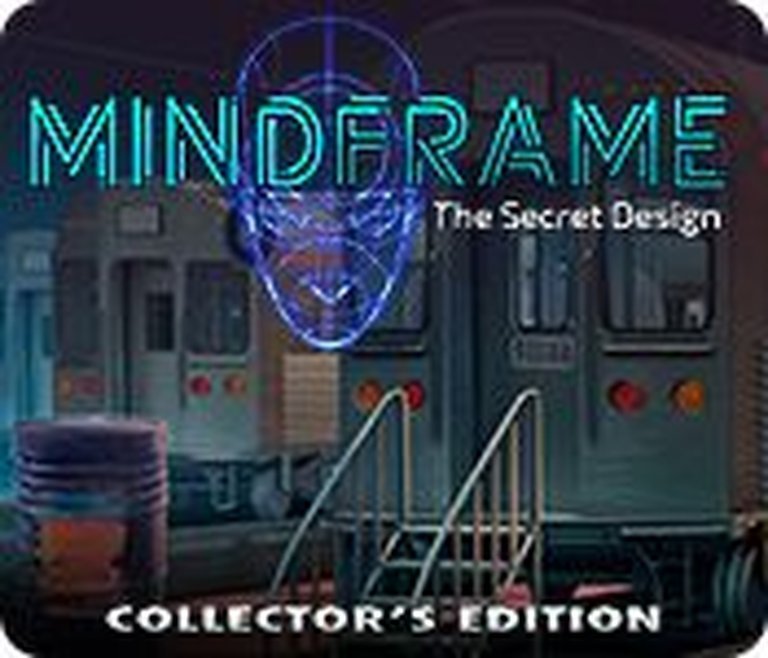
Mindframe: The Secret Design (Collector’s Edition) is an immersive adventure game that challenges players to survive a deadly game where their opponent possesses intimate knowledge of their secrets. Set in a mysterious and intriguing world, players must navigate through a series of hidden object puzzles and strategic challenges to uncover the truth and outwit their adversary. This Collector’s Edition includes a built-in strategy guide, collectibles, concept art, a digital soundtrack, and additional replayable content to enhance the gaming experience.
Gameplay Videos
Where to Buy Mindframe: The Secret Design (Collector’s Edition)
PC
Mindframe: The Secret Design (Collector’s Edition) Guides & Walkthroughs
Mindframe: The Secret Design (Collector’s Edition) Reviews & Reception
steambase.io (100/100): Mindframe: The Secret Design Collector’s Edition has earned a Player Score of 100 / 100.
Mindframe: The Secret Design (Collector’s Edition): A Cerebral Hidden Object Gem Lost in the Shadows
Introduction
In an era dominated by open-world epics and multiplayer juggernauts, Mindframe: The Secret Design (Collector’s Edition) stands as a defiant love letter to the narrative-driven hidden object puzzle adventure (HOPA) genre. Released in 2020 by Serbian studio Mad Head Games, this criminally underappreciated title weaves a taut psychological thriller around protagonist William Rodgers, a man burdened with the unintended gift of telepathy. While its commercial footprint was modest, the Collector’s Edition—packed with bonus content and refined gameplay—deserves recognition as one of the most thematically ambitious HOPA titles of its decade. This review argues that Mindframe is a flawed but fascinating experiment in merging cerebral storytelling with genre conventions, offering a niche yet memorable experience for patient players.
Development History & Context
Mad Head Games: Balkan Ambition Meets Genre Craftsmanship
Founded in 2011 by Nenad Tomić (CEO) and Aleksa Todorović (CTO), Mad Head Games carved a reputation for polished HOPA titles like Dark Realm: Princess of Ice and Pagan Online. Mindframe emerged during a transitional period for the studio, as it balanced episodic HOPA releases with forays into action RPGs. The team’s Serbian roots lent a distinct Eastern European flavor to their storytelling, favoring moral ambiguity and existential dread over Western HOPA’s tendency toward Gothic romance.
Technological Constraints and Vision
Built on the studio’s proprietary engine, Mindframe prioritized accessibility over graphical prowess, targeting aging hardware with minimal requirements (2.0 GHz CPU, 1GB RAM). Yet this limitation birthed creativity: the game’s fixed-perspective scenes and pre-rendered environments allowed artists like Budislav Bašović and Ana Milojković to craft intricate, claustrophobic spaces dripping with paranoia. Composers at Jovian Audio, led by Miloš Nikolić, layered haunting ambient soundscapes to elevate the tension.
Narrative & Thematic Deep Dive
Plot: A Mind-Reader’s Descent into Conspiracy
William Rodgers, a college participant in an experimental medical trial, awakens with the ability to infiltrate memories—a power he conceals for years until the enigmatic “Designer” blackmails him into a lethal game. The narrative unfolds through fragmented mindscapes, blending noir-influenced detective work with surreal, Inception-esque layers of perception.
Characters and Dialogue
William’s world-weariness contrasts sharply with the Designer’s theatrical menace, voiced with chilling precision. Supporting characters—like Dr. Elena Voss, a neuroscientist with her own secrets—serve dual roles as allies and psychological mirrors. Dialogue oscillates between utilitarian (“The memory is fragmented—focus!”) and philosophical (“What is a mind but a prison of its own design?”), reflecting the game’s preoccupation with identity and control.
Themes: The Tyranny of Secrets
Mindframe explores the duality of knowledge as both power and poison. William’s telepathy isolates him, rendering human connection transactional, while the Designer weaponizes this alienation. The Collector’s Edition’s bonus chapter, The Fractured Ego, deepens this theme, depicting William’s confrontation with a memory of his younger self—a literalized battle between innocence and cynicism.
Gameplay Mechanics & Systems
Core Loop: Hunting Clues in the Psyche
The game hybridizes classic point-and-click adventuring with HOPA staples:
– Memory HOPs: Scenes set inside characters’ minds require players to find objects that symbolize repressed trauma (e.g., a broken watch representing lost time).
– Puzzle Integration: Inventory items bridge diegetic and psychological logic—a scalpel might cut through a “veil” of denial in one scene.
– Replayable HOPs: The Collector’s Edition adds “Ultimate HOP” modes, stripping UI elements for hardcore enthusiasts.
Flaws and Innovations
While the puzzles are inventive (e.g., reconstructing a suspect’s face from scattered memory fragments), pacing suffers from excessive backtracking. The built-in strategy guide mitigates frustration but risks undermining the challenge. The Collector’s Edition’s “Treasure Room”—a gallery of collectibles and concept art—rewards completionists but feels underutilized as a narrative device.
World-Building, Art & Sound
Visual Design: Memories as Labyrinths
Mad Head’s artists rendered memories as decaying, Lynchian spaces: a childhood home warped by time, a hospital corridor bleeding Rorschach-like inkblots. The Collector’s Edition’s wallpapers highlight these aesthetics, emphasizing chiaroscuro lighting and recursive architecture.
Soundscape: A Symphony of Dread
Nikolić’s score blends dissonant strings with electro-ambient pulses, evoking Blade Runner’s melancholic futurism. Sound design shines in moments like the “Echo Chamber”—a puzzle where players align audio snippets of a character’s subconscious whispers.
Reception & Legacy
Launch and Critical Silence
Despite its ambition, Mindframe garnered scant mainstream attention. Steam reviews (8 positive, 0 negative) praise its “brain-teasing HOPs” but note its niche appeal. The absence of Metacritic coverage underscores the industry’s bias against HOPA titles.
Cult Influence
The game’s legacy lies in its bold narrative risks. Indie titles like The Forgotten City and Norco have since adopted similar memory-hopping mechanics, while its psychological depth influenced later Mad Head projects like Grim Tales: The Heir.
Conclusion
Mindframe: The Secret Design (Collector’s Edition) is a diamond in the rough—a game whose thematic richness and atmospheric craftsmanship outweigh its mechanical missteps. While unlikely to convert HOPA skeptics, it remains essential for genre devotees and a testament to Mad Head Games’ narrative ambition. In the annals of hidden object history, Mindframe will be remembered not for its sales, but for daring to ask: What if the greatest mystery we solve is ourselves?
Final Verdict: A flawed masterpiece for the patient thinker—8/10.