
- Release Year: 2013
- Platforms: Android, iPad, iPhone, Linux, Macintosh, Nintendo Switch, PlayStation 4, Windows
- Publisher: Radial Games Corp.
- Developer: Dejobaan Games, LLC, Radial Games Corp.
- Genre: Simulation
- Perspective: First-person
- Game Mode: Single-player
- Gameplay: Decision making, Interactive fiction, Moral choices, Text adventure
- Setting: Fantasy
- Average Score: 69/100
Description
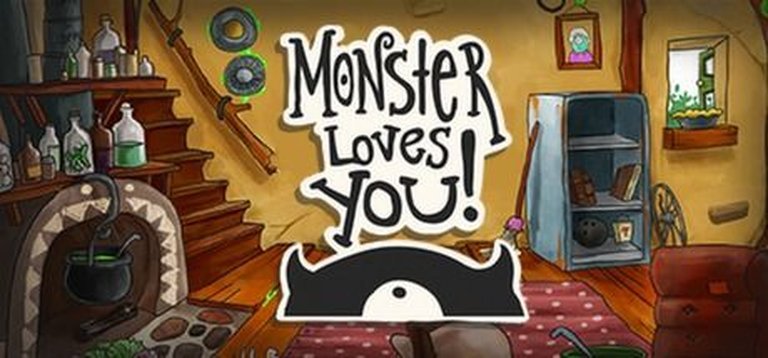
In ‘Monster Loves You!’, players guide a monster through its life in the fantasy village of Omen, from birth in a brooding pool to elderhood. Through interactive decision-making, players shape the monster’s traits—bravery, ferocity, cleverness, honesty, and kindness—which influence its reputation and survival. As an elder, the monster can alter the fate of human-monster relations, choosing peace, domination, or other outcomes. The game blends life simulation with branching narrative, rewarding replays with achievements tied to diverse endings.
Gameplay Videos
Where to Buy Monster Loves You!
PC
Monster Loves You! Patches & Updates
Monster Loves You! Guides & Walkthroughs
Monster Loves You! Reviews & Reception
en.wikipedia.org (65/100): Alasdair Duncan of Destructoid gave the game a 6.5 score, noting that it was high on charm and suitable for children.
metacritic.com (65/100): If you go into Monster Loves You with the knowledge that this is really an interactive story for children, then you can get plenty out of it. It’s quick to get through and packs the same kind of charm and sweetness as a good kids book but it really is a game designed for younger gamers.
opencritic.com (70/100): It won’t keep you hooked forever, but thanks to its gorgeous art style, witty writing and lovable monsters, it will keep you entertained for a while.
jayisgames.com : If it weren’t for a whole lot of talk of twisting heads of, chowing down on corpses, and other wholesome activities, Monster Loves You! would be about the perfect casual text adventure for any age, but while it might be a bit too icky for some parents, the rest of us will probably find it just right.
Monster Loves You!: A Monstrously Charming Exercise in Moral Complexity
Introduction
In a gaming landscape dominated by high-octane action and sprawling open worlds, Monster Loves You! (2013) dared to ask a simple question: What if your choices shaped not just a story, but the soul of a monster? Developed by Radial Games and Boston-based Dejobaan Games, this interactive fiction/life simulator hybrid became a cult classic for its deceptively cheerful presentation, darkly comedic undertones, and intricate web of player-driven consequences. Beneath its storybook aesthetic lies a sophisticated meditation on morality, legacy, and interspecies diplomacy. This review argues that Monster Loves You! succeeds as a subversive fairy tale—one that uses monsterhood to interrogate human nature itself.
Development History & Context
The Visionaries Behind Omen Village
Monster Loves You! emerged from a collaboration between Radial Games (Andy Moore, Rohit Shenoy) and Dejobaan Games (Ichiro Lambe, known for absurdist titles like AaaaaAAaaaAAAaaAAAAaAAAAA!!!). Built in Unity and released on March 18, 2013, the game targeted PC and mobile platforms during an indie renaissance where narrative-driven experiences like Kentucky Route Zero gained traction. The team aimed to blend “Choose Your Own Adventure” mechanics with life-simulation systems, inspired by interactive children’s books and RPG stat management.
Technological Constraints and Innovations
Limited by budget and engine capabilities, the developers focused on text-driven storytelling supported by hand-drawn 2D art. The UI prioritized clarity over complexity, with icons hinting at scenarios but withholding descriptions—a deliberate choice to emphasize discovery. Despite modest production values, the team painstakingly implemented 900+ decision nodes and 14-15 unique endings, creating a branching narrative unmatched in scope by many contemporaries.
The 2013 Gaming Landscape
The game debuted amid a surge in narrative-focused indies (Gone Home, The Stanley Parable) but stood apart by targeting family-friendly audiences with a morbid twist. Its release window also coincided with heightened interest in moral choice systems following Mass Effect 3’s controversial ending, making its quieter examination of ethics timely.
Narrative & Thematic Deep Dive
A Monster’s Life, from Slime to Legacy
Players begin as a “Morsel” in a gooey spawning vat, facing immediate existential threats (like being eaten by siblings) and choices that define core attributes: Bravery, Cleverness, Ferocity, Honesty, Kindness, and a hidden Neurosurgery stat. Across four life stages (Newborn, Child, Adolescent, Adult), decisions escalate from petty mischief to diplomatic crises involving humans encroaching on monster territory.
Moral Ambiguity in a Pastel World
The narrative thrives on subverting fairy tale tropes: Should Red Riding Hood be devoured or protected? Can Hansel and Gretel negotiate peace? These dilemmas reveal the game’s thematic core: morality is contextual. As TV Tropes notes, monsters uphold a “Blue-and-Orange Morality” where Ferocity and Cleverness are virtues, complicating human notions of good/evil. A Kindness-focused run might broker coexistence, while high Ferocity could trigger humanity’s extinction—each outcome treated as valid.
Characterization Through Absence
Unlike traditional visual novels, Monster Loves You! avoids deep character arcs for NPCs. Instead, the player’s monster becomes a reflection of their choices. The Elder stage—where monsters debate human relations—echoes Animal Farm’s political allegory, with endings spanning from “Universal Prosperity” (peace) to “Endless War” (mutual annihilation). The infamous “Famed Neurosurgeon” ending, requiring obscure stat investments, underscores the game’s love for whimsical absurdity.
Gameplay Mechanics & Systems
The Loop of Life (and Death)
Each life stage grants a set number of “days,” spent on adventures that drain time. Choices adjust stats via +/- modifiers (e.g., +9 Kindness for sparing a child) and trigger RPG-style dice rolls (hidden skill checks). Adulthood introduces Respect, a gatekeeper to Elderhood; failure results in dissolution into the spawning vat. The Elder phase shifts focus to macro-level diplomacy, where accumulated traits determine success in societal reforms.
Strengths and Flaws
- Innovative: The “invisible Neurosurgery” stat and humor-driven choices (e.g., creating “Human foie gras”) reward experimentation.
- Opaque Systems: As criticized by JayIsGames and Destructoid, skill checks lack transparency—players can’t view required stat thresholds mid-choice, rendering outcomes feel arbitrary.
- Replay Incentives: With 14+ endings and Steam Achievements, completionists face dozens of hours uncovering variants, though repetition dulls novelty.
Interface and Pacing
The minimalist HUD tracks stats and days, while icons (e.g., a bear denotes a Goldilocks scenario) offer vague previews. This abstraction feeds discovery but frustrates strategists. Playthroughs last ~60 minutes—ideal for mobile but criticized as “too short” by Metacritic users.
World-Building, Art & Sound
A Storybook Brimming with Teeth
Artist Jonathan Elliott’s pastel-drenched illustrations evoke Dr. Seuss meets Tim Burton, with monsters resembling plush toys gone mischievous. Environments—like Omen Village’s twisted cottages and brooding forests—balance whimsy and unease, visually reinforcing the game’s tonal duality.
Sound Design and Atmosphere
The soundtrack, led by melancholic basslines and playful woodwinds, mirrors a monster’s journey from innocence to consequence. SFX (gurgling vats, crunching bones) are sparing but impactful, amplifying black comedy beats.
Lore as Environmental Storytelling
While light on explicit backstory, the world implies depth through throwaway lore: The Oldest Monster, feared even by elders; human villages described through monster myths; and sequel Monster Loves You Too! (2023) retroactively expanding the setting into post-human decay.
Reception & Legacy
Critical Divide
Upon release, Monster Loves You! earned mixed-to-positive reviews (72% avg. on MobyGames, 78% positive Steam rating). Praise centered on its charm, writing, and moral complexity (Christ Centered Gamer: “humorous and disturbing”). Critiques targeted shallow gameplay (Destructoid: “designed for younger gamers”) and repetition (PC Gamer UK: “liking it back”). The Nintendo Switch port (2018) saw renewed praise for portability.
Cultural Impact
The game’s legacy lies in proving narrative density need not demand graphical prowess. It inspired later titles like Beastie Bay and Kingdom of Loathing to blend absurdism with choice-driven storytelling. The 2023 sequel intensified RPG systems (adding Malice/Greed mechanics and combat), reflecting player demand for deeper engagement.
Conclusion
Monster Loves You! remains a paradox: a child-friendly game steeped in ethical quandaries, a “simple” choice system brimming with hidden depths. Its flaws—opaqueness, brevity—are outweighed by audacious writing and thematic richness. By making monsters relatable and morality mutable, it challenges players to confront their own capacity for kindness and cruelty. A decade later, its plea for empathy between factions feels more urgent than ever. Not just a game—a playful, profound meditation on what it means to be monstrous.
Final Verdict: 7.5/10 – A flawed gem that reshapes fairy tales into mirrors for human nature. Essential for narrative designers; approach with morbid curiosity.