
- Release Year: 2023
- Platforms: Windows
- Publisher: Plug In Digital SAS
- Developer: Artefacts Studio S.A.S.
- Genre: Simulation, Strategy, Tactics
- Perspective: Diagonal-down
- Game Mode: Single-player
- Gameplay: Business simulation, City building, construction simulation, Managerial
- Setting: Fantasy
- Average Score: 71/100
Description
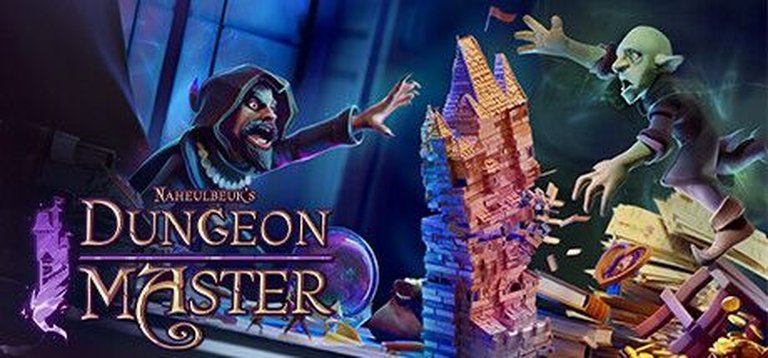
Naheulbeuk’s Dungeon Master is a comedic fantasy simulation game set in the humorous universe of The Dungeon of Naheulbeuk series, where players act as a dungeon master building and managing an underground lair through real-time strategy and tactics. Featuring diagonal-down perspective, free camera, and point-and-select interface, it combines city-building construction with managerial business simulation, recruiting minions, constructing rooms, and defending against heroes in a parody-filled adventure.
Gameplay Videos
Where to Buy Naheulbeuk’s Dungeon Master
Naheulbeuk’s Dungeon Master Free Download
Naheulbeuk’s Dungeon Master Guides & Walkthroughs
Naheulbeuk’s Dungeon Master Reviews & Reception
metacritic.com : entertaining dungeon management game that mixes humor, satire, and classic management elements, but lacks challenge and depth in the long run.
opencritic.com (73/100): Extremely enjoyable, extremely comical, extremely irritating!
rockpapershotgun.com : far too barebones to invest in seriously.
gamingboulevard.com : fun at first but misses depth to really be impactful.
gizmogames.co.uk (70/100): A goofy dungeon-management sim with bite, fun for a while, but sometimes feels ruff around the edges.
Naheulbeuk’s Dungeon Master: Review
Introduction
Imagine inheriting a crumbling tower from the most tyrannical sorcerer in fantasy satire, tasked with transforming it into a thriving hub of villainy—complete with a tavern serving dubious ale to unwitting patrons and traps primed for bumbling heroes. Naheulbeuk’s Dungeon Master (2023) thrusts players into this chaotic delight, a prequel spin-off from the beloved French audio comedy series Le Donjon de Naheulbeuk by John Lang. Born from a 2001 online audio parody skewering Dungeons & Dragons tropes, the Naheulbeuk universe exploded into comics, novels, board games, and Artefacts Studio’s 2020 tactical RPG The Dungeon of Naheulbeuk: The Amulet of Chaos. This management sim flips the script, letting you play the “evil” side as steward Reivax, building Zangdar’s lair years before the adventurers’ infamous incursion. Amid a resurgence of dungeon builders echoing Dungeon Keeper‘s 1997 legacy, Naheulbeuk’s Dungeon Master shines as a valiant, humor-drenched homage—but its barebones systems and lack of challenge temper its glory, making it a delightful appetizer rather than a feast for genre veterans.
Development History & Context
Artefacts Studio, a Lyon-based indie powerhouse founded in 2003, helmed development with 180 credited creators, including CEO/creative director Bruno Chabanel, game design director Nicolas Dejeans, and lore consultant John Lang himself. Known for narrative-driven titles like Agatha Christie: The ABC Murders and the studio’s prior Naheulbeuk outing, they partnered with publisher Dear Villagers (Plug In Digital) for a November 15, 2023, PC launch on Steam and GOG ($24.99), followed by console ports in July 2024 (Switch, PS5, Xbox Series X/S). Built on Unity with Wwise audio, the game sidestepped era-specific tech constraints—modern hardware handles its real-time, diagonal-down perspective smoothly (min spec: i7-4790K, GTX 960; rec: i7-7700K, GTX 1060)—but early bugs plagued launch, prompting patches for stability.
The vision crystallized as a Dungeon Keeper spiritual successor infused with Naheulbeuk’s absurdism: parodying not just fantasy, but bureaucratic drudgery in dungeon management. Released amid a 2023 boom in the genre—Dungeons 4, SteamWorld Build—it entered a landscape craving Bullfrog’s mischievous empire-building, yet saturated with colony sims like Oxygen Not Included. Artefacts drew from Lang’s saga, voicing a massive script in English, French, and German (subtitles in seven languages), prioritizing comedy over depth. Constraints like a modest 5GB footprint and single-player focus kept it accessible, but ambitious features (minion strikes, raiding) hinted at untapped potential, launching unfinished amid “shaky establishment” irony.
Narrative & Thematic Deep Dive
At its core, Naheulbeuk’s Dungeon Master is a bureaucratic farce masquerading as villainy. You embody Reivax, a servile half-goblin steward, rebuilding Zangdar’s bankrupt tower under the Dungeons Fund’s scrutiny. The story mode unfolds as a 8-10 hour campaign of voiced vignettes, mission-driven escalation, and escalating absurdity: from tavern tweaks to fend off bankruptcy to unleashing raids on Fangh’s factions. Plot beats revolve around prestige hunts, Zangdar’s tantrums (manage his frustration or face doom), and Tripe Adviser reviews parodying Yelp for your tavern—decor upgrades yield stars, but rivals covet your treasures.
Characters burst with satirical flair: minions from goblins to ogres, each species bearing perks (e.g., dwarves’ industriousness, elves’ snobbery) and bigotries (strikes demand “fewer dwarves”). Dialogue crackles with Lang’s signature wit—admin forms for adventurer corpses, HOA-like neighbor squabbles, racist picket lines quelled by demon sacrifices or firings. Themes dissect fantasy villainy: Dungeon Keeper‘s glee inverted into HR nightmares, where “evil” means micromanaging strikes, queuing payrolls, and appeasing factions lest reprisals hit. It’s a deep dive into incompetence—minions quit over queues, adventurers stumble randomly—mirroring the saga’s hapless heroes. Sandbox mode strips narrative rails for pure chaos, but the campaign’s fully voiced script (David Gasman et al.) elevates it, though repetitive gags (e.g., endless bureaucracy) wear thin without mechanical payoff.
Gameplay Mechanics & Systems
The core loop is real-time managerial bliss: excavate/carve rooms (kitchens, dorms, guard posts, prisons), decorate for quality/reputation (rugs, torches unlock floors), hire/upgrade minions, produce resources (tools, compost, astral energy), run the tavern for income, defend/raids via traps/minions, and trade on the market. UI is point-and-select with free camera, intuitive yet laggy in tight spaces (per reviews). Progression ties reputation to unlocks: tavern prestige draws patrons, higher floors diversify production, Crac 40 (fantasy crack?) fuels booms.
Core Loops & Combat: Weekly cycles mix minion needs (food/sleep/morale) with adventurer waves—random entry points defy planning, traps (treacherous artifices) and guards counter them, but losses are inconsequential (minor gold dips). Raiding sends parties to loot neighbors, netting rep/resources but risking faction ire. Strikes add spice: demands like “more prison cells” or anti-dwarf purges, resolved brutally (sacrifices) or capitulatively—yet minions are disposable, undermining tension.
Character Progression & UI: Minions level via work, demanding better rooms; upgrades boost efficiency/satisfaction. UI shines in accounting graphs (bureaucracy gag, sparsely useful) but falters: opaque morale leads to sudden quits, payroll queues frustrate. Innovations like species traits/perks and tavern sim feel fresh, but flaws abound—trivial room-maxing post-tavern boom, unbalanced staffing (lowbies outdo elites), randomness over strategy. Sandbox/customization offers replay, but campaign’s linearity exposes barebones depth: no robust economy, inconsequential failures. Patched launch issues (bugs, saves) improved flow, earning 30 Steam achievements.
| Mechanic | Strengths | Weaknesses |
|---|---|---|
| Building/Decoration | Intuitive carving, reputation unlocks | Trivial post-income, excess space early |
| Minion Management | Species variety, strikes humor | Opaque needs, disposable workforce |
| Defense/Raiding | Trap fun, world map missions | Random paths, low stakes |
| Economy/Production | Resource trading, market | Sparse simulation, no real scarcity |
World-Building, Art & Sound
Naheulbeuk’s Fangh pulses with cartoonish satire: a high-rise “wobbly tower” atop bucolic vistas (no subterranean drabness), rooms teeming with Marion Poinsot-inspired illustrations—gothic furniture amid slapstick (ogres in canteens). Visuals: vibrant 3D cel-shaded, diagonal-down free-cam pans scenic backdrops, enhancing atmosphere over Keeper‘s gloom. Art direction by Jean-Marie Godeau nails parody—treasure displays tempt thieves, traps gleam menacingly.
Sound design (Wwise) amplifies immersion: boisterous French/English/German VO delivers punchy one-liners, ambient clatters (queuing minions, trap snaps) underscore chaos. OST evokes comedic fantasy, tavern bustle adds life. Elements coalesce into a cozy menace: reputation swells draw “lucrative enemies,” factions loom, creating a lived-in lair where visuals/sound parody tropes (e.g., demon roars as HR threats), though repetition dulls the charm in long sessions.
Reception & Legacy
Launch drew “Mostly Positive” Steam verdict (73% of 1,246 reviews), praising humor/art but decrying depth (e.g., “barebones,” “inconsequential”). Critics averaged 65-73% (MobyGames 65%, OpenCritic 73%): GameQuarter (68%) called it weakest vs. Dungeons 4; 3rd Strike (62%) lauded parody but rued potential; Rock Paper Shotgun unscored its Keeper itch sans substance; Vandal (72%) noted fun sans challenge. Patches fixed bugs (crashes, saves), boosting console ports, but user gripes persist (morale opacity, UI lag). Commercial: Solid indie sales, bundles boosted accessibility.
Legacy evolves as Naheulbeuk’s management pivot: influences lighter sims (Two Point series echoes), but no seismic shift—revives Keeper nostalgia amid Dungeons II heirs, cementing Artefacts’ franchise (63 shared credits with Amulet). For historians, it’s a satire-proof genre’s mirror: exposes bureaucracy’s banality, influencing humorous builders, though unpatched flaws cap endurance.
Conclusion
Naheulbeuk’s Dungeon Master masterfully parodies dungeon management—Reivax’s odyssey blends Lang’s wit, Artefacts’ charm, and Keeper spirit into a breezy 8-10 hour romp, bolstered by stellar art/sound and tavern twists. Yet, barebones loops, random frustrations, and trivial stakes hobble depth, rendering it a flawed gem: fun for casual laughs, wanting for strategists. In video game history, it secures Naheulbeuk’s multimedia foothold as a comedic footnote to Bullfrog’s throne—not revolutionary, but a worthy, wobbly tower worth raiding for fans. Verdict: 7/10 – Charming Satire, Shallow Depths. Play for parody; patch notes may elevate it further.