
- Release Year: 2015
- Platforms: PlayStation 4, Windows, Xbox One
- Publisher: 2K Games, Inc.
- Developer: 2K Sports
- Genre: Basketball, Sports
- Perspective: Third-person
- Game Mode: Online PVP, Single-player
- Gameplay: Online Multiplayer, Player customization, Team Management
- Setting: Modern, Sports arena
- Average Score: 87/100
Description
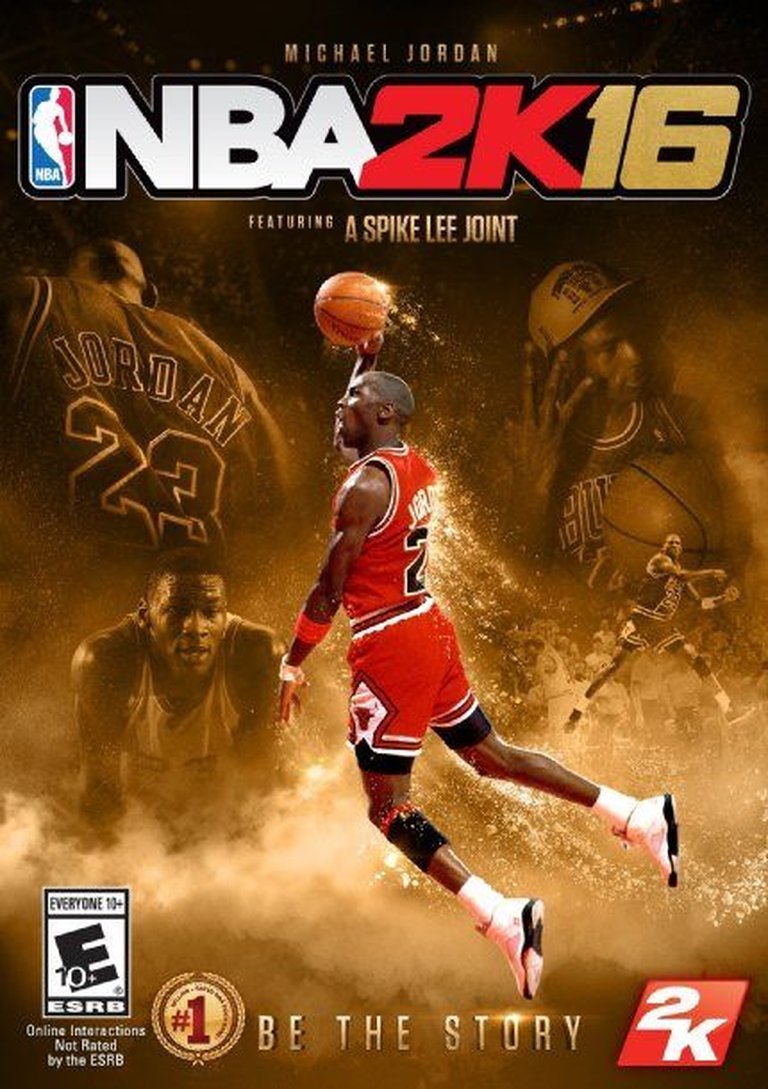
NBA 2K16 (Michael Jordan Edition) is a special edition of the acclaimed basketball simulation game, celebrating the legacy of basketball icon Michael Jordan. It includes the base NBA 2K16 game alongside exclusive digital content like 30K virtual currency, Jordan-branded MyPLAYER apparel, and MyTEAM VIP+ perks. Physical releases for PlayStation 4 and Xbox One additionally feature collectibles such as a Jordan poster, wall cling, and Emerald Packs. The game itself offers realistic NBA and EuroLeague gameplay, a story-driven MyCareer mode developed with Spike Lee, and extensive customization options for players and teams.
Gameplay Videos
Where to Buy NBA 2K16 (Michael Jordan Edition)
PC
NBA 2K16 (Michael Jordan Edition) Mods
NBA 2K16 (Michael Jordan Edition) Guides & Walkthroughs
NBA 2K16 (Michael Jordan Edition) Reviews & Reception
metacritic.com (87/100): NBA 2K16 has raised the bar not just for future iterations of the series but for every sports game developed beyond this point.
NBA 2K16 (Michael Jordan Edition) Cheats & Codes
PC
At the main menu, select ‘Options’, ‘Features’, then choose the ‘Locker Codes’ selection. Enter one of the following codes to obtain the corresponding bonus.
| Code | Effect |
|---|---|
| payrespect | Unlock the ABA Ball |
| FZV7P FQ9SU SRNZZ 9AB27 9ZUUT | Michael Jordan |
| GSUM3 ESARX GXD3T S3QJQ FIETU | Shaquille O’Neil |
| XFQDT TMQ6Z I1TM6-8Q8J5 WNJGQ | Isaiah Thomas |
| WR9KL 6NQ9Z CWWGF MVG4C T3L8P | Paul George |
| 9BUQS QTKDU ASYJU 3W183 QVXBC | LeBron James |
| ZG9QQ VYAVK I2ZUD TU2VL ZFYLQ | Larry Bird |
| AMIB1 95PFL FD7LB DQXHX S7RBT | Carmelo Anthony |
| Q1585 CPEWU HZNWY WK2EW V1E4C | Karl Malone |
| NXYJ4 WQCRD C2DQN S36GF TJMZ4 | Stephen Curry |
Xbox 360 & PlayStation 3
Select Features from the main menu, then Extras, then Codes.
| Code | Effect |
|---|---|
| payrespect | Unlock the ABA Ball |
PlayStation 4 & Xbox One
Select Features from the main menu, then Locker Codes.
| Code | Effect |
|---|---|
| payrespect | Unlock the ABA Ball |
NBA 2K16 (Michael Jordan Edition): Review
Introduction
In the pantheon of sports simulation games, NBA 2K16 stands as a monumental achievement—a game that pushed the boundaries of realism, storytelling, and technical innovation upon its 2015 release. The Michael Jordan Edition elevated this experience further, bundling the base game with exclusive digital and physical collectibles that honored the legacy of basketball’s greatest icon. This review dissects NBA 2K16 through a historical lens, examining how its ambitious design, Spike Lee-driven narrative, and refined mechanics cemented its status as a genre-defining title—even as its reliance on microtransactions and rigid story structure sparked criticism.
Development History & Context
Studio Vision & Technological Ambition
Developed by Visual Concepts and published by 2K Sports, NBA 2K16 arrived during a transformative era for sports games. As the 17th installment in the franchise, it leveraged the power of the PlayStation 4 and Xbox One generation to deliver unprecedented realism. Director Spike Lee’s involvement marked a bold creative gamble; his “Spike Lee Joint” branding for the MyCareer mode signaled a shift toward cinematic storytelling rarely seen in sports sims.
Technological Constraints & Innovations
The team prioritized full-body scanning technology, capturing intricate details of NBA players, coaches, and even crowds—a first for the series. This addressed long-standing criticisms about generic character models and low-resolution tattoos, now featuring over 1,500 customizable designs. The game also introduced advanced animation systems, including photorealistic player expressions, mouth guards, and photobombs, which heightened immersion but strained hardware limitations, particularly on last-gen consoles.
The 2015 Gaming Landscape
Released amidst fierce competition from EA’s NBA Live 16, 2K16 doubled down on content depth. It coincided with the rise of “games as a service” models, reflected in its Virtual Currency (VC) economy and companion app MyNBA2K16, which allowed players to earn rewards via mobile. The game’s September 29 launch capitalized on the NBA’s offseason hype, with pre-orders granting four-day early access—a shrewd marketing move that fueled record sales.
Narrative & Thematic Deep Dive
MyCareer: Livin’ Da Dream
Spike Lee’s MyCareer mode, Livin’ Da Dream, reimagined the player’s journey from high school prospect to NBA superstar as a gritty, narrative-driven odyssey. Players assumed the role of Frequency Vibrations (a.k.a. “Fresh”), a Harlem-born talent navigating the pressures of fame, family tragedy, and racial identity. While lauded for its emotional depth and Hollywood-style cutscenes, the mode drew backlash for its lack of player agency. Fresh’s background, personality, and even key storyline beats (like a pivotal car accident) were unchangeable, clashing with the RPG-like customization NBA 2K fans expected.
Themes & Representation
Lee infused the story with socio-political undertones, exploring systemic inequities in collegiate athletics and the commodification of Black athletes. Fresh’s relationships—like his bond with a childhood friend turned antagonist—served as allegories for loyalty and betrayal in the hypercompetitive sports world. However, the linear narrative often felt at odds with the game’s sandbox elements, such as endorsements and team management, creating tonal dissonance between scripted drama and player-driven ambitions.
Dialogue & Characterization
Supporting characters, including Fresh’s family and a stereotypically bombastic agent, ranged from heartfelt to ham-fisted. Noteworthy performances from real-life analysts like Shaquille O’Neal and Ernie Johnson in interstitial shows added authenticity, but Fresh’s dialogue options were shallow, reducing player influence to binary “good teammate vs. diva” choices.
Gameplay Mechanics & Systems
Core Gameplay: Evolution of a Sim
NBA 2K16 refined the series’ trademark realism with smarter AI defense, responsive dribbling mechanics, and revamped passing controls. The “Pro Stick” system allowed nuanced shot releases and off-ball movement, rewarding skilled players while punishing rushed plays. New Classic Teams—such as the 2000–01 Lakers and 2007–08 Celtics—expanded historical depth, while EuroLeague integration (25 teams) broadened the game’s global appeal.
Mode Innovations
– MyCareer: Beyond Lee’s story, players could hone skills in MyCourt, a customizable practice hub, and compete in streetball MyPark matches.
– MyTeam: The card-collection mode introduced tiered player cards (Bronze to Diamond), emphasizing strategic team-building but leaning heavily on VC-driven pack purchases.
– Pro-Am: A standout addition, this 5v5 online mode let players design teams with bespoke logos, jerseys, and arenas—though server instability marred early adopters’ experiences.
Progression & Monetization
Character progression remained tied to VC, bottlenecking upgrades like attribute boosts and cosmetic items unless players engaged in microtransactions. This system drew ire for its “pay-to-win” implications in multiplayer modes. The Michael Jordan Edition mitigated this slightly with a 30K VC bonus, exclusive shoes, and MyTEAM packs—a boon for collectors but a band-aid on a contentious design choice.
World-Building, Art & Sound
Visual Fidelity & Atmosphere
NBA 2K16 set a new benchmark for sports graphics, with lifelike player models, dynamic lighting, and arenas bursting with sideline details—cheerleaders, cameramen, and celebrity cameos. The game’s broadcast presentation, featuring TNT-style halftime shows and commentary from Kevin Harlan and Doris Burke, blurred the line between simulation and real-life broadcasts.
Art Direction
Character designs celebrated basketball’s cultural footprint, from retro jerseys to contemporary streetwear. The Jordan Edition’s gold-accented menu screens and MJ-themed loading art paid homage to the icon’s legacy, though PC players missed out on physical extras like the poster and wall cling.
Soundtrack & Audio Design
Curated by DJ Khaled, DJ Premier, and DJ Mustard, the 50-track soundtrack fused hip-hop, R&B, and international hits—a series high point. Ambient arena noises, from squeaking sneakers to dynamic crowd reactions, heightened situational immersion, though repetitive commentary lines became grating over time.
Reception & Legacy
Critical & Commercial Triumph
Upon release, NBA 2K16 earned universal acclaim, with Metascores of 87 (PS4) and 86 (Xbox One). Reviewers praised its gameplay depth, Visual Concepts’ iterative refinements, and the “living world” presentation. Commercial success followed, with 4 million copies shipped in its first week—a franchise record.
Controversies & Criticisms
Critics targeted its always-online requirements, server instability, and Spike Lee’s restrictive MyCareer narrative. The overreliance on VC microtransactions foreshadowed the industry’s later debates around monetization ethics.
Enduring Influence
NBA 2K16’s legacy is multifaceted: It pioneered narrative-driven sports campaigns (inspiring later modes like Madden’s “Longshot”), normalized cross-platform companion apps, and set the template for live-service sports sims. Its Pro-Am mode laid groundwork for esports integrations, culminating in the NBA 2K League in 2018. Despite flaws, it remains a touchstone for basketball gaming’s golden age.
Conclusion
NBA 2K16 (Michael Jordan Edition) is a paradox: a technical marvel that epitomizes both the zenith of sports simulation and the creeping commercialization of AAA gaming. Spike Lee’s MyCareer, while flawed, dared to blend arthouse storytelling with interactive gameplay—a gamble that elevated the genre’s narrative ambitions. The Jordan Edition’s exclusive content, coupled with robust modes like Pro-Am and MyLeague, delivered unparalleled value for hardcore fans. Nearly a decade later, it stands as a testament to Visual Concepts’ mastery of virtual basketball, even as its monetization strategies hint at darker industry trends. For historians and players alike, 2K16 remains essential—a dunk contest between innovation and excess, frozen in time.