
- Release Year: 2009
- Platforms: Windows
- Publisher: Legacy Interactive Inc., Paramount Digital Entertainment
- Genre: Compilation
Description
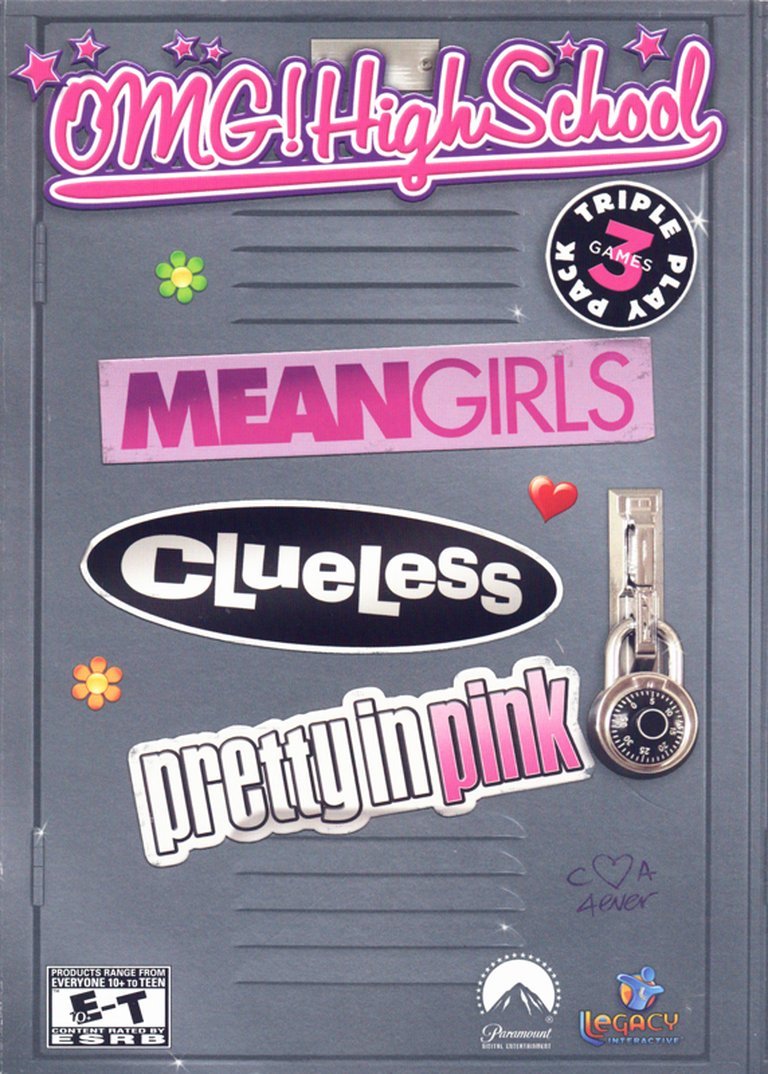
OMG! High School is a 2009 compilation game for Windows that immerses players in dramatic high school settings inspired by popular films. The collection includes Clueless, Mean Girls: High School Showdown, and Pretty in Pink, offering fans interactive experiences tied to these iconic teen movie franchises. Designed with a Teen ESRB rating, the game blends humor, social dynamics, and nostalgic references within its CD-ROM-based gameplay.
OMG! High School Reviews & Reception
metron.com : Master this game – and you can go on to the actual Puzzle Quest games.
OMG! High School: Review
In the pantheon of video games that have left an indelible mark on the medium, few titles stand out as boldly and unapologetically as “OMG! High School.” Released in 2009 by Paramount Digital Entertainment and Legacy Interactive Inc., this compilation game is a stark departure from the typical high school simulators of its time. Rather than focusing on the mundane aspects of teenage life, “OMG! High School” delves into the darker, more twisted realities of adolescence, offering a narrative that is as provocative as it is compelling. This review will explore the game’s development history, its narrative and thematic depth, gameplay mechanics, world-building, critical reception, and its enduring legacy.
Development History & Context
The development of “OMG! High School” was a bold move by Paramount Digital Entertainment and Legacy Interactive Inc. At a time when the gaming landscape was dominated by lighthearted titles and escapist fantasies, these studios chose to tackle the more gritty and realistic aspects of high school life. The game was released on April 7, 2009, for Windows, and it quickly gained attention for its unflinching portrayal of teenage angst and rebellion.
The creators’ vision was to subvert the typical high school simulator, which often romanticized the teenage experience. Instead, they aimed to create a game that reflected the harsh realities of growing up, complete with its share of drama, trauma, and moral ambiguity. The technological constraints of the era limited the game’s graphical fidelity, but the developers compensated with a strong focus on narrative and character development.
Narrative & Thematic Deep Dive
Plot
“OMG! High School” follows the story of Nicole, a sociopathic teenager who navigates the treacherous waters of high school life with a blend of cynicism and cruelty. The game is set in a public high school in the United States during the late 2000s, a time when social media and cancel culture were just beginning to take shape. Nicole’s journey is one of self-discovery and destruction, as she interacts with a cast of equally flawed characters, each with their own demons and desires.
The narrative is non-linear, with multiple endings that depend on the player’s choices. This structure allows for a high degree of replayability, as each playthrough can reveal new aspects of the story and characters. The game’s plot is a deconstruction of the typical high school dating sim, turning the genre on its head by focusing on the darker, more sinister aspects of teenage life.
Characters
Nicole, the protagonist, is a complex and morally ambiguous character. She is a self-admitted sociopath who takes pleasure in manipulating and destroying the lives of those around her. Her best friend, Jecka, is equally flawed, serving as both a confidante and an accomplice in Nicole’s schemes. The supporting cast includes a mix of jocks, nerds, and outcasts, each with their own unique quirks and flaws.
The characters in “OMG! High School” are not one-dimensional stereotypes but fully realized individuals with their own motivations and backstories. This depth of character development is one of the game’s strongest assets, as it allows players to invest emotionally in the story and its characters.
Dialogue
The dialogue in “OMG! High School” is sharp, witty, and often profane. It reflects the raw, unfiltered language of teenagers, adding to the game’s authenticity. The conversations between characters are laced with sarcasm, insults, and dark humor, creating a world that is both familiar and unsettling.
Themes
The game explores a range of themes, including the nature of abuse, the consequences of manipulation, and the struggle for power and control. It delves into the psychological complexities of its characters, revealing the ways in which trauma and adversity shape their behaviors and relationships. The narrative is a critique of the idealized notions of high school life, exposing the underlying darkness and dysfunction that often go unnoticed.
Gameplay Mechanics & Systems
Core Gameplay Loops
“OMG! High School” is a visual novel, with gameplay primarily consisting of reading dialogue and making choices that affect the story’s outcome. The game’s strength lies in its branching narrative, which allows for multiple playthroughs and a high degree of player agency. The choices players make can lead to a variety of endings, ranging from tragic to triumphant.
Combat
While the game does not feature traditional combat, it does include elements of social manipulation and psychological warfare. Players can use dialogue choices to manipulate characters, expose their secrets, and gain the upper hand in social situations. This form of combat is as strategic as it is ruthless, requiring players to think carefully about their actions and their consequences.
Character Progression
Character progression in “OMG! High School” is tied to the narrative. As players make choices that align with their desired outcomes, they can unlock new dialogue options, endings, and insights into the characters’ psyches. This progression system is deeply integrated into the story, making it a seamless and immersive experience.
UI
The user interface in “OMG! High School” is straightforward and intuitive. The game’s auto-progressing dialogue system allows players to focus on the story without the distraction of manual text advancement. The UI is designed to be unobtrusive, ensuring that the narrative remains the primary focus.
Innovative or Flawed Systems
One of the game’s most innovative systems is its use of branching narratives and multiple endings. This structure allows for a high degree of replayability and player agency, making each playthrough a unique experience. However, the game’s reliance on dialogue choices as the primary means of interaction can feel limiting at times, as players are often constrained by the options presented to them.
World-Building, Art & Sound
Setting
The game is set in a public high school in the United States during the late 2000s. The setting is a microcosm of American teenage culture, complete with its own set of rules, hierarchies, and taboos. The school serves as a backdrop for the characters’ dramas and conflicts, providing a sense of familiarity and authenticity.
Atmosphere
The atmosphere in “OMG! High School” is dark, cynical, and often unsettling. The game’s visual style is gritty and realistic, reflecting the harsh realities of its setting. The use of photographic backgrounds and character sprites adds to the game’s sense of immersion, making the world feel lived-in and authentic.
Visual Direction
The game’s visual direction is a blend of realism and stylization. The character designs are detailed and expressive, capturing the nuances of teenage emotions and behaviors. The use of photographic backgrounds adds a layer of authenticity to the game’s world, making it feel more grounded and believable.
Sound Design
The sound design in “OMG! High School” is minimalist but effective. The game’s soundtrack is composed of ambient sounds and subtle musical cues that enhance the narrative without overpowering it. The use of sound effects is sparse but impactful, adding to the game’s sense of immersion and authenticity.
Reception & Legacy
Upon its release, “OMG! High School” received mixed reviews from critics and players alike. While some praised the game’s bold narrative and unflinching portrayal of teenage life, others criticized its dark themes and controversial content. The game’s legacy, however, has been more enduring than its initial reception might suggest.
“OMG! High School” has influenced a generation of visual novels and narrative-driven games, inspiring developers to explore darker, more complex themes in their work. The game’s unapologetic approach to storytelling has paved the way for other titles that seek to challenge the status quo and push the boundaries of the medium.
Conclusion
“OMG! High School” is a bold and uncompromising exploration of teenage life, one that refuses to shy away from the darker, more unsettling aspects of growing up. Its narrative depth, complex characters, and innovative gameplay mechanics make it a standout title in the world of visual novels. Despite its controversial themes and mixed reception, the game’s legacy as a pioneering work of interactive storytelling is secure. “OMG! High School” is a testament to the power of video games as a medium for exploring the human condition, and it deserves its place in the pantheon of great games.