
- Release Year: 2016
- Platforms: Nintendo Switch, Windows Apps, Windows, Xbox Cloud Gaming, Xbox One
- Publisher: Microsoft Corporation, Nordic Games GmbH
- Developer: Moon Studios GmbH
- Genre: Action, Explorable platformer, Metroidvania
- Perspective: Side view
- Game Mode: Single-player
- Gameplay: Metroidvania, Puzzle elements
- Setting: Fantasy
- Average Score: 88/100
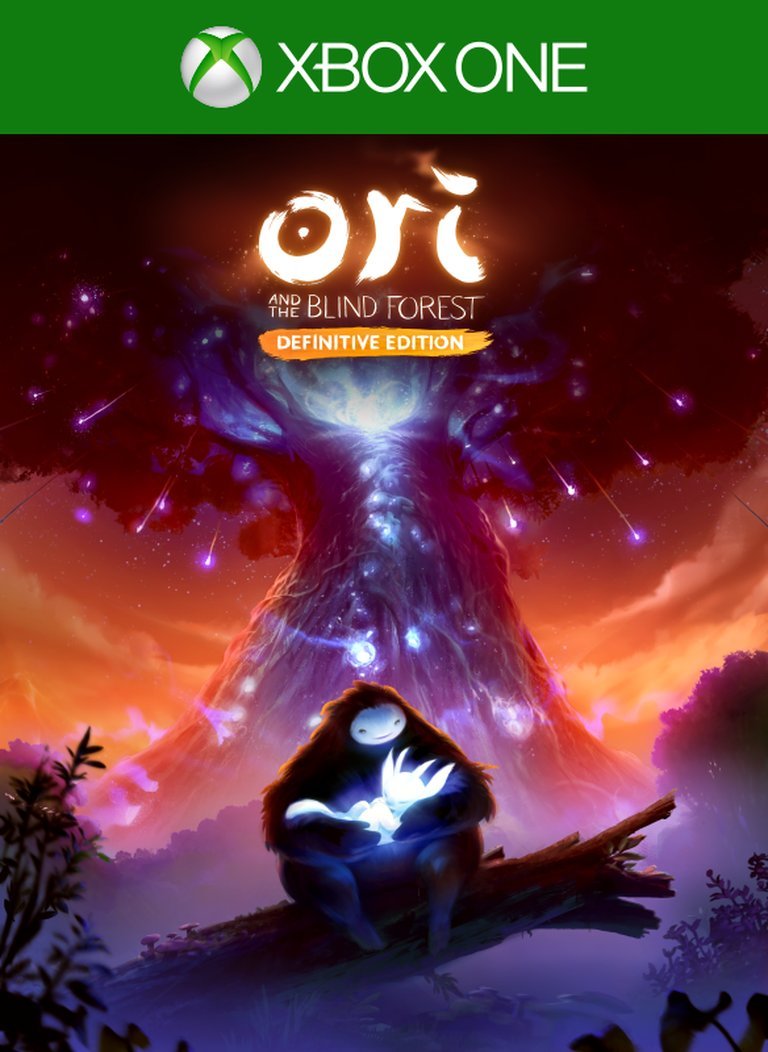
Description
Ori and the Blind Forest: Definitive Edition is an enhanced version of the acclaimed action-platformer, set in a lush, decaying fantasy forest. Players control Ori, a guardian spirit, on a quest to restore balance to the land through exploration, puzzle-solving, and nimble traversal. This edition expands the original with new story sequences, areas, and abilities while introducing multiple difficulty modes and full backtracking support. Combining emotional storytelling with Metroidvania-inspired progression, it immerses players in a visually stunning world teeming with secrets to uncover.
Gameplay Videos
Where to Buy Ori and the Blind Forest: Definitive Edition
Ori and the Blind Forest: Definitive Edition Free Download
Ori and the Blind Forest: Definitive Edition Cracks & Fixes
Ori and the Blind Forest: Definitive Edition Patches & Updates
Ori and the Blind Forest: Definitive Edition Guides & Walkthroughs
Ori and the Blind Forest: Definitive Edition Reviews & Reception
metacritic.com (88/100): The controls are tight and responsive, and the music is still satisfying to listen to. Both new environments were wonderful additions to the game and fit seamlessly into the map.
opencritic.com (88/100): At its core, the port of Ori and the Blind Forest: Definitive Edition is a masterpiece. While it does not bring anything new to the game that does not already exist on the Xbox One and PC, it translates perfectly onto our favorite portable consoles.
gamerevolution.com : A beautiful, frustrating endeavor… just like your crazy ex.
memeburn.com : The game retains the same gripping and heart-wrenching story. Much of the tale is told through characters actions and in as few words as possible.
Ori and the Blind Forest: Definitive Edition Cheats & Codes
Xbox One
Enter codes during gameplay when you have control over Ori.
| Code | Effect |
|---|---|
| Left, Up, Right, Down, Up, Up, Up, A | Changes Ori’s color randomly |
PC
Enter codes during gameplay when you have control over Ori.
| Code | Effect |
|---|---|
| Left, Up, Right, Down, Up, Up, Up, A (or Jump) | Changes Ori’s color randomly |
| Up, Up, Down, Down, RightStick | Activates debug menu |
| Up, Right, Down, Left, RightStick, Up, Up, Jump | Teleports Ori randomly |
| Up, Up, Down, Down, Left, Right, Left, Right, SoulFlame, Jump | Makes Ori’s dash rainbow |
Ori and the Blind Forest: Definitive Edition
Ori and the Blind Forest: Definitive Edition is not just a game; it is an experience that transcends the boundaries of traditional video games. Developed by Moon Studios and published by Microsoft Studios, this Metroidvania platformer has left an indelible mark on the gaming landscape since its initial release in 2015. The Definitive Edition, released in 2016, further polished and expanded upon the original, offering players an even more immersive journey through the enchanting and heart-wrenching world of Nibel. This review will delve into the development history, narrative depth, gameplay mechanics, world-building, and the enduring legacy of Ori and the Blind Forest: Definitive Edition.
Development History & Context
Moon Studios, a collective of developers spread across the globe, embarked on a four-year journey to create Ori and the Blind Forest. The studio’s unique structure, with team members working remotely from locations such as Austria, Australia, Israel, and the United States, allowed for a diverse and innovative approach to game development. The game’s art style, heavily influenced by Studio Ghibli films, and its gameplay mechanics, inspired by classic titles like Super Metroid and The Legend of Zelda: A Link to the Past, set it apart from other Metroidvania games of its time.
The development process was marked by a deep commitment to storytelling and emotional resonance. The creators drew inspiration from works like The Lion King and The Iron Giant, aiming to craft a coming-of-age story that would resonate with players on a profound level. The game’s backgrounds, meticulously hand-painted and animated, were designed to be unique and immersive, with no duplicated assets, ensuring that every corner of Nibel felt alive and authentic.
The technological constraints of the era, particularly the need to render a large, seamless map at 1080p and 60 frames per second with no visible loading time, presented significant challenges. However, Moon Studios’ use of the Unity engine allowed them to overcome these obstacles and deliver a visually stunning and technically impressive game.
Narrative & Thematic Deep Dive
The narrative of Ori and the Blind Forest is a poignant tale of love, sacrifice, and hope. The story unfolds through a series of beautifully animated cutscenes and environmental storytelling, with minimal dialogue. Players assume control of Ori, a small white spirit, and Sein, the light and eyes of the Forest’s Spirit Tree, as they embark on a journey to restore the dying forest of Nibel.
The game’s prologue sets the stage for Ori’s quest, introducing players to the catastrophic event that sets the story in motion. Ori, orphaned and alone, must navigate the treacherous and decaying forest, facing numerous challenges and enemies along the way. The narrative is punctuated by emotional beats, such as the revelation of Naru’s past and the tragic backstory of Kuro, the game’s primary antagonist. These moments of emotional depth are expertly woven into the gameplay, creating a seamless and immersive experience.
The themes of love and sacrifice are central to the story. Ori’s journey is driven by his desire to save his home and the beings he cares about, even in the face of overwhelming odds. The game’s exploration of these themes is nuanced and layered, inviting players to reflect on their own experiences and emotions as they progress through the story.
Gameplay Mechanics & Systems
Ori and the Blind Forest: Definitive Edition is a Metroidvania at its core, combining exploration, platforming, and puzzle-solving elements. The game’s progression system is based on the acquisition of new abilities, which allow players to access previously inaccessible areas and overcome obstacles. These abilities, such as wall jumping, double jumping, and bashing, are earned through the collection of ability points and spirit light, adding a layer of strategy and planning to the gameplay.
The combat system, while not the game’s primary focus, is integrated seamlessly into the platforming and exploration mechanics. Ori’s Spirit Flame ability allows players to attack enemies and break obstacles, while the bash mechanic provides a way to launch off enemies and projectiles for added mobility. The game’s difficulty is balanced through the use of multiple difficulty modes, including an easy mode for those who wish to focus on the story and a hard mode for players seeking a greater challenge.
The user interface is clean and unobtrusive, with a minimalistic HUD that displays Ori’s health, energy, and ability points. The game’s save system, based on the creation of “soul links,” allows players to save their progress at will, using energy cells collected throughout the game. This system adds a layer of strategy to the gameplay, as players must decide when to save and when to conserve their energy for combat and exploration.
World-Building, Art & Sound
The world of Nibel is a testament to Moon Studios’ commitment to visual and auditory excellence. The game’s hand-painted artwork, meticulously animated character performances, and fully orchestrated score create an immersive and enchanting atmosphere. Each area of the game is unique, with its own distinct visual style and musical theme, contributing to the overall sense of wonder and discovery.
The sound design is equally impressive, with a rich and varied soundtrack that complements the game’s emotional narrative. The music, composed by Gareth Coker, is performed by a live orchestra, adding depth and richness to the game’s auditory experience. The sound effects, from the rustling of leaves to the clash of weapons, are meticulously crafted, enhancing the game’s immersion and atmosphere.
The game’s world-building is exceptional, with a deep and rich lore that is revealed through environmental storytelling and cutscenes. The forest of Nibel is brought to life through the use of multiple layers of artwork, creating a sense of depth and movement that is both beautiful and functional. The game’s attention to detail, from the individual components of the backgrounds to the unique animations of the characters, is a testament to the developers’ dedication to their craft.
Reception & Legacy
Upon its release, Ori and the Blind Forest received widespread critical acclaim, with reviewers praising the game’s art direction, storytelling, gameplay, and musical score. The game was named as a title that represented art in video games, with its dreamlike sensitivity and emotional depth setting it apart from other games of its time. The Definitive Edition, with its additional content and improvements, further cemented the game’s status as a modern classic.
The game’s influence can be seen in subsequent Metroidvania titles, with many developers citing Ori as an inspiration for their own work. The game’s success led to the development of a direct sequel, Ori and the Will of the Wisps, which was released in 2020 and received similar praise for its storytelling, gameplay, and visuals. The Ori series has become a beloved and enduring part of the gaming landscape, with its unique blend of art, storytelling, and gameplay continuing to captivate and inspire players and developers alike.
Conclusion
Ori and the Blind Forest: Definitive Edition is a masterpiece of video game design, combining stunning visuals, emotional storytelling, and innovative gameplay mechanics. The game’s development history, from Moon Studios’ unique structure to their commitment to artistic excellence, is a testament to the power of creativity and passion in game development. The narrative’s exploration of love, sacrifice, and hope, along with its deep and rich world-building, creates an immersive and unforgettable experience. The game’s legacy, from its critical acclaim to its influence on subsequent titles, is a testament to its enduring appeal and significance in the world of video games. Ori and the Blind Forest: Definitive Edition is not just a game; it is a work of art that will continue to inspire and captivate players for years to come.