
- Release Year: 2023
- Platforms: Macintosh, Nintendo Switch, PlayStation 5, Windows
- Publisher: Boomzap Inc, Ocean Media d.o.o.
- Developer: Boomzap Inc, Tiny Little Lion
- Genre: Puzzle
- Perspective: 2D
- Game Mode: Single-player
- Gameplay: Color selection, Pixel painting, Puzzle
- Average Score: 100/100
Description
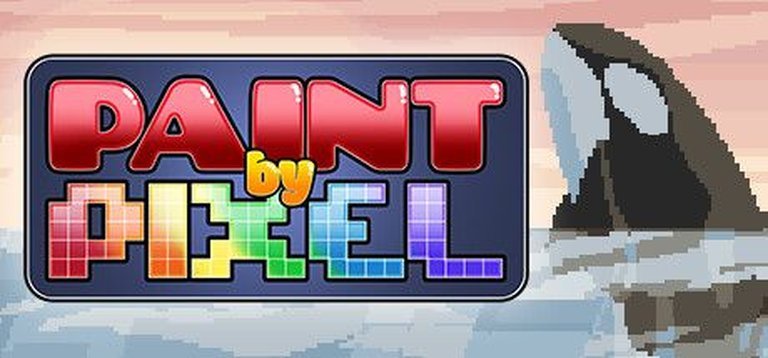
Paint By Pixel is a puzzle game where players reveal hidden pixel art images by strategically selecting and filling in the correct pixels on a grid, using a fixed-screen visual style and intuitive point-and-select interface. This relaxing creative experience combines puzzle-solving mechanics with the satisfaction of uncovering vibrant artworks, making it accessible for artists of all skill levels.
Where to Buy Paint By Pixel
PC
Paint By Pixel Patches & Updates
Paint By Pixel Guides & Walkthroughs
Paint By Pixel Reviews & Reception
ladiesgamers.com : In conclusion, I liked Paint by Pixel much more than I expected.
opencritic.com : In conclusion, I liked Paint by Pixel much more than I expected.
Paint By Pixel: A Masterclass in Relaxation and Pixel Art
Introduction
In an era dominated by high-octane action and sprawling open worlds, Paint By Pixel (2023) stands as a refreshing anomaly—a game that eschews complexity in favor of simplicity, stress in favor of serenity. Developed by Tiny Little Lion and published by Boomzap Inc., this title is a digital ode to the timeless appeal of pixel art, blending the structured creativity of paint-by-numbers with the nostalgic charm of retro gaming aesthetics. At its core, Paint By Pixel is more than just a game; it’s a meditative experience, a creative outlet, and a love letter to the art form that defined an era of video games. This review will dissect the game’s development history, narrative themes, gameplay mechanics, artistic direction, reception, and lasting legacy, ultimately arguing that Paint By Pixel is a quintessential example of how video games can transcend mere entertainment to become tools for relaxation and self-expression.
Development History & Context
The Studio and Its Vision
Tiny Little Lion, the indie studio behind Paint By Pixel, is a relatively obscure name in the gaming landscape, but their work on this title showcases a deep understanding of both the technical and emotional appeal of pixel art. The game’s development was likely influenced by the resurgence of pixel art in indie gaming, a trend that gained momentum in the 2010s with titles like Shovel Knight (2014) and Celeste (2018). These games proved that pixel art wasn’t just a relic of the past but a vibrant, evolving art form capable of conveying deep emotion and complex narratives.
Paint By Pixel was released on April 11, 2023, a time when the gaming industry was increasingly focused on hyper-realistic graphics and photorealistic rendering. In this context, the game’s deliberate embrace of pixel art was a bold statement—a rejection of the arms race toward graphical fidelity in favor of a more intimate, handcrafted aesthetic. The game’s development likely involved meticulous attention to detail, from the design of each pixelated image to the creation of a soundtrack that complements the game’s relaxing atmosphere.
Technological Constraints and the Gaming Landscape
The game’s release coincided with a period of rapid technological advancement in gaming, with the PlayStation 5 and Xbox Series X/S pushing the boundaries of what was possible in terms of graphics and performance. However, Paint By Pixel thrived in this environment precisely because it didn’t compete on the same terms. Instead, it offered a counterpoint to the industry’s obsession with realism, proving that games could be visually stunning without relying on cutting-edge hardware.
The game’s development was also shaped by the rise of casual and mobile gaming, which emphasized accessibility and ease of play. Paint By Pixel’s simple controls and lack of time pressure made it an ideal fit for this market, appealing to both hardcore gamers looking for a break from intense gameplay and casual players seeking a creative outlet.
Narrative & Thematic Deep Dive
Plot and Characters
Paint By Pixel is, at its heart, a game about creation rather than storytelling. There is no overarching narrative, no characters to develop, and no plot to unravel. Instead, the game’s narrative exists in the act of creation itself—the player’s journey from a blank canvas to a completed pixel art masterpiece. This absence of traditional narrative elements is not a weakness but a deliberate choice, allowing the player to focus solely on the tactile pleasure of coloring and the satisfaction of seeing their work come to life.
Themes and Dialogue
The game’s themes revolve around creativity, patience, and the joy of making something beautiful. Each pixel colored is a small victory, a testament to the player’s dedication and attention to detail. The game’s lack of dialogue or text reinforces this focus on the visual and the tactile, creating a wordless dialogue between the player and the art they create.
The game’s 95 levels are divided into five categories based on size—tiny, small, medium, large, and huge—each offering a different level of challenge and detail. This progression mirrors the player’s own artistic journey, from simple, straightforward images to complex, intricate designs that require time and patience to complete.
Gameplay Mechanics & Systems
Core Gameplay Loop
Paint By Pixel’s gameplay is deceptively simple. Players are presented with a grid of pixels, each numbered to correspond to a color in the palette on the right side of the screen. The goal is to color each pixel according to its number, filling in the image one square at a time. The game offers two primary modes: brush mode, which allows players to color pixels individually, and fill mode, which automatically fills contiguous areas of the same color.
The game also includes several features designed to enhance the player’s experience:
– Zoom and Magnify: Players can zoom in on their artwork to focus on fine details, ensuring that every pixel is placed with precision.
– Hint System: For players who get stuck, the game offers hints that highlight the next pixel to be colored.
– Auto Solve: This feature automatically fills in the remaining pixels of a color, useful for completing levels quickly or for players who prefer a more guided experience.
– Custom Colors: Players can remix the pre-chosen colors to personalize their creations, adding a layer of creative freedom to the game.
Combat and Progression
Unlike traditional games, Paint By Pixel has no combat or traditional progression system. Instead, the game’s progression is measured in completed artworks, with each level offering a new challenge and a new opportunity for creative expression. The game’s lack of a time limit or scoring system reinforces its focus on relaxation and creativity, allowing players to work at their own pace without the pressure of competition or failure.
User Interface
The game’s user interface is clean and intuitive, with a minimalist design that puts the focus squarely on the artwork. The color palette is displayed on the right side of the screen, while the numbered grid occupies the majority of the space. The interface is uncluttered and easy to navigate, ensuring that players can focus on the task at hand without distraction.
World-Building, Art & Sound
Setting and Atmosphere
Paint By Pixel’s world is one of pure creativity, a digital canvas where players can bring their artistic visions to life. The game’s levels span a wide range of subjects, from nature scenes and animals to historical landmarks and sports imagery. This diversity ensures that there is something for every player, regardless of their artistic preferences.
The game’s atmosphere is one of tranquility and focus, enhanced by its soothing soundtrack. The music is designed to complement the game’s relaxing gameplay, with gentle melodies that encourage contemplation and creativity. The absence of intrusive sound effects or dialogue further reinforces this atmosphere, allowing players to immerse themselves fully in the act of creation.
Visual Direction
The game’s visual direction is a celebration of pixel art, a style that has its roots in the early days of video gaming. Pixel art is characterized by its use of small, square pixels to create images, often with a limited color palette. This style is both a technical constraint and an artistic choice, requiring artists to convey complex images with a minimal number of colors and shapes.
Paint By Pixel’s visuals are a testament to the power of this art form. Each image is meticulously designed, with careful attention paid to color choice, composition, and detail. The game’s levels range from simple, cartoonish designs to intricate, highly detailed images that push the limits of the pixel art style. The game’s use of zoom and magnification allows players to appreciate the fine details of each image, from the texture of a butterfly’s wings to the intricate patterns of a historical landmark.
Sound Design
The game’s soundtrack is a crucial component of its overall atmosphere. Composed to complement the game’s relaxing gameplay, the music features gentle, melodic tunes that encourage contemplation and creativity. The absence of intrusive sound effects or dialogue further reinforces this atmosphere, allowing players to immerse themselves fully in the act of creation.
Reception & Legacy
Critical and Commercial Reception
Paint By Pixel received a warm reception from both critics and players upon its release. Critics praised the game’s relaxing gameplay, intuitive controls, and beautiful pixel art, with many noting its appeal as a creative outlet and stress-reliever. The game’s lack of traditional narrative or gameplay mechanics was seen as a strength rather than a weakness, with reviewers appreciating its focus on simplicity and creativity.
Commercially, the game was a modest success, appealing to a niche but dedicated audience of players seeking a relaxing, creative experience. Its popularity was further boosted by its inclusion in the Fun with Pixels bundle on Steam, which included Paint By Pixel, Paint By Pixel 2, and Paint By Pixel 3, as well as the standalone title Threaded.
Influence on Subsequent Games
Paint By Pixel’s influence can be seen in the growing popularity of creative and relaxation-focused games in the years following its release. Titles like Unpacking (2021) and Cozy Grove (2020) share Paint By Pixel’s emphasis on creativity, relaxation, and self-expression, proving that there is a market for games that prioritize these qualities over traditional gameplay mechanics.
The game’s success also contributed to the ongoing resurgence of pixel art in indie gaming, demonstrating that this once-obsolete art form could still captivate modern audiences. Its influence can be seen in the pixel art styles of games like Stardew Valley (2016) and Celeste II (2023), which use the style to convey emotion, nostalgia, and a sense of intimacy that is often lacking in more visually complex games.
Conclusion
Paint By Pixel is a game that defies easy categorization. It is not an action game, nor is it a narrative-driven experience. Instead, it is a meditation on the act of creation, a testament to the power of simplicity and the joy of making something beautiful. Its legacy lies not in its sales figures or critical acclaim, but in its ability to provide players with a rare and precious commodity in today’s fast-paced world: a moment of peace, a chance to slow down and appreciate the beauty of the creative process.
In the annals of video game history, Paint By Pixel will be remembered as a pioneering title in the realm of relaxation and creativity. It proved that games could be more than just entertainment—they could be tools for self-expression, outlets for stress, and windows into the boundless potential of human creativity. In an industry often dominated by spectacle and complexity, Paint By Pixel stands as a reminder that sometimes, the simplest games can have the deepest impact.