
- Release Year: 2014
- Platforms: Windows
- Publisher: Evilized Productions
- Developer: Evilized Productions
- Genre: Adventure
- Perspective: 1st-person
- Game Mode: Single-player
- Gameplay: Graphic adventure, Multiple endings, Point and select, Puzzle elements
- Setting: Horror, Post-apocalyptic
- Average Score: 17/100
Description
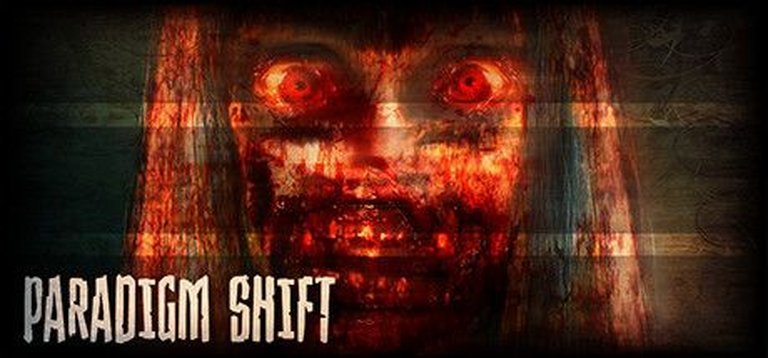
Paradigm Shift is a first-person graphic adventure game set in a post-apocalyptic world, blending horror and puzzle elements. Players navigate through a fixed/flip-screen environment, uncovering a narrative filled with multiple endings and zombie-themed challenges. Developed by Evilized Productions, the game emphasizes point-and-select mechanics and atmospheric storytelling, offering a unique experience in its genre.
Where to Buy Paradigm Shift
PC
Paradigm Shift Guides & Walkthroughs
Paradigm Shift Reviews & Reception
steambase.io (14/100): This score is calculated from 58 total reviews which give it a rating of Very Negative.
store.steampowered.com (20/100): 20% of the 25 user reviews for this game are positive.
Paradigm Shift: A Masterclass in Post-Apocalyptic Horror Adventure
Introduction
Paradigm Shift, released in 2014 by Evilized Productions, is a first-person graphic adventure that plunges players into a harrowing post-apocalyptic world overrun by zombies. Despite its modest commercial footprint, the game stands as a testament to the creative potential of indie horror, blending psychological tension with a deeply atmospheric narrative. This review dissects Paradigm Shift as both a product of its time and a unique entry in the adventure genre, exploring its strengths, flaws, and lasting influence.
Development History & Context
The Studio and Vision
Evilized Productions, a small indie studio, crafted Paradigm Shift with a team of just 22 people, led by Ben Aprigliano (direction, programming) and Sean Spelman (screenplay). The game’s development was driven by a passion for horror and a desire to innovate within the constraints of a limited budget. Aprigliano’s vision was to create a first-person adventure that prioritized atmosphere and narrative over action, a stark contrast to the zombie-shooter trend of the era.
Technological Constraints
Released in 2014, Paradigm Shift was built using a fixed/flip-screen perspective, a deliberate choice to evoke the claustrophobic tension of classic survival horror. The game’s engine, while not cutting-edge, was optimized for its purpose: delivering a visually striking, if technically modest, experience. The fixed camera angles and pre-rendered backgrounds were reminiscent of Resident Evil’s early entries, but with a modern indie twist.
The Gaming Landscape
At the time of its release, the gaming industry was dominated by open-world action games and multiplayer shooters. Horror games like The Last of Us (2013) and Outlast (2013) had set high bars for narrative-driven survival horror, while indie titles like Amnesia: The Dark Descent (2010) proved that atmospheric horror could thrive without AAA budgets. Paradigm Shift entered this landscape as a niche title, appealing to fans of slow-burn horror and classic adventure mechanics.
Narrative & Thematic Deep Dive
Plot and Setting
Paradigm Shift unfolds in a post-apocalyptic world where a mysterious outbreak has turned most of humanity into zombies. Players assume the role of an unnamed protagonist navigating a decaying urban environment, uncovering fragments of the past through environmental storytelling and cryptic notes. The game’s narrative is non-linear, with multiple endings that depend on player choices and discoveries.
Characters and Dialogue
The protagonist is a silent cipher, allowing players to project themselves into the role. Supporting characters, encountered sporadically, are often as enigmatic as the world itself. Dialogue is sparse but impactful, with Sean Spelman’s screenplay emphasizing ambiguity and psychological unease. The lack of traditional character development is compensated by the game’s reliance on environmental cues and atmospheric tension.
Themes
- Isolation and Despair: The game’s post-apocalyptic setting is a metaphor for existential isolation. The protagonist’s journey is one of loneliness, with the zombies serving as manifestations of societal collapse and personal despair.
- Moral Ambiguity: The multiple endings reflect the game’s exploration of moral choices in extreme circumstances. Players are forced to confront the consequences of their actions, with no clear “right” path.
- The Fragility of Humanity: The zombies, while a physical threat, also symbolize the loss of humanity. The game questions what it means to survive when the world has been stripped of its familiar structures.
Gameplay Mechanics & Systems
Core Gameplay Loop
Paradigm Shift is a graphic adventure at its core, with gameplay centered around exploration, puzzle-solving, and survival. The fixed/flip-screen perspective creates a sense of vulnerability, as players must navigate tight spaces while avoiding zombies. Combat is minimal, emphasizing stealth and evasion over direct confrontation.
Puzzle Design
Puzzles are environmental and inventory-based, requiring players to combine items and interpret clues. The difficulty curve is steep, with some puzzles bordering on obtuse, a common critique of classic adventure games. However, the solutions often tie into the game’s themes, rewarding players who engage deeply with the narrative.
UI and Inventory Management
The game’s UI is minimalist, with a point-and-select interface that harkens back to early adventure games. Inventory management is straightforward but can feel cumbersome during high-tension moments. The lack of a modernized UI is both a nod to retro design and a potential barrier for contemporary players.
Innovations and Flaws
- Innovations:
- The use of fixed camera angles to heighten tension.
- Multiple endings that encourage replayability.
- A focus on psychological horror over jump scares.
- Flaws:
- Some puzzles lack clear logic, leading to frustration.
- The fixed perspective can occasionally obscure critical environmental details.
- Limited combat mechanics may disappoint players expecting action.
World-Building, Art & Sound
Setting and Atmosphere
The game’s world is a masterclass in post-apocalyptic design. Crumbling buildings, flickering lights, and eerie silence create an oppressive atmosphere. The fixed camera angles amplify the sense of being trapped, with the environment often feeling like a character in its own right.
Visual Direction
The art style is a blend of photorealistic textures and surreal, nightmarish imagery. The game’s use of light and shadow is particularly effective, with darkness often hiding both threats and secrets. The visuals are complemented by a gritty, desaturated palette that reinforces the game’s bleak tone.
Sound Design
David F. Burrows’ sound design is a standout feature. The ambient soundtrack, available on Bandcamp, is a haunting mix of industrial drones and dissonant melodies. Sound effects—creaking doors, distant groans, and sudden silences—are used to build tension. The lack of a traditional score during exploration makes the rare musical cues all the more impactful.
Reception & Legacy
Critical and Commercial Reception
Paradigm Shift received little critical attention at launch, with no reviews documented on MobyGames. Its commercial performance was similarly modest, with a price point of $0.99 on Steam reflecting its indie status. However, the game has since developed a cult following among fans of retro-style horror adventures.
Influence and Evolution
While Paradigm Shift did not spawn direct sequels, its DNA can be seen in later indie horror titles that prioritize atmosphere and narrative over action. Games like SOMA (2015) and The Vanishing of Ethan Carter (2014) share its focus on environmental storytelling and psychological horror. The game’s multiple endings also presaged the rise of narrative-driven games with branching paths.
Conclusion
Paradigm Shift is a flawed but fascinating artifact of indie horror gaming. Its strengths—atmospheric world-building, psychological depth, and a haunting soundtrack—are offset by occasional frustrations in puzzle design and gameplay mechanics. Yet, its ambition and creativity elevate it above its technical limitations. In the pantheon of post-apocalyptic horror, Paradigm Shift may not be a household name, but it is a worthy entry for those who appreciate horror that lingers in the mind long after the credits roll.
Final Verdict: A cult classic in the making, Paradigm Shift is a must-play for fans of slow-burn horror and retro adventure mechanics. Its legacy lies not in sales or awards, but in its ability to evoke dread and introspection through sheer atmospheric mastery. 8/10.