
- Release Year: 2023
- Platforms: Nintendo Switch, PlayStation 4, PlayStation 5, Windows Apps, Windows, Xbox One, Xbox Series
- Publisher: SEGA Corporation
- Developer: Atlus Co., Ltd.
- Genre: Role-playing (RPG)
- Perspective: 3rd-person (Other)
- Game Mode: Single-player
- Gameplay: All-Out Attacks, Base management, Character customization, Cover System, Destructible Environments, Dialogue choices, Grid-based tactics, One More actions, Persona abilities, Persona fusion, Squad management, Turn-based combat
- Setting: Fantasy
- Average Score: 86/100
Description
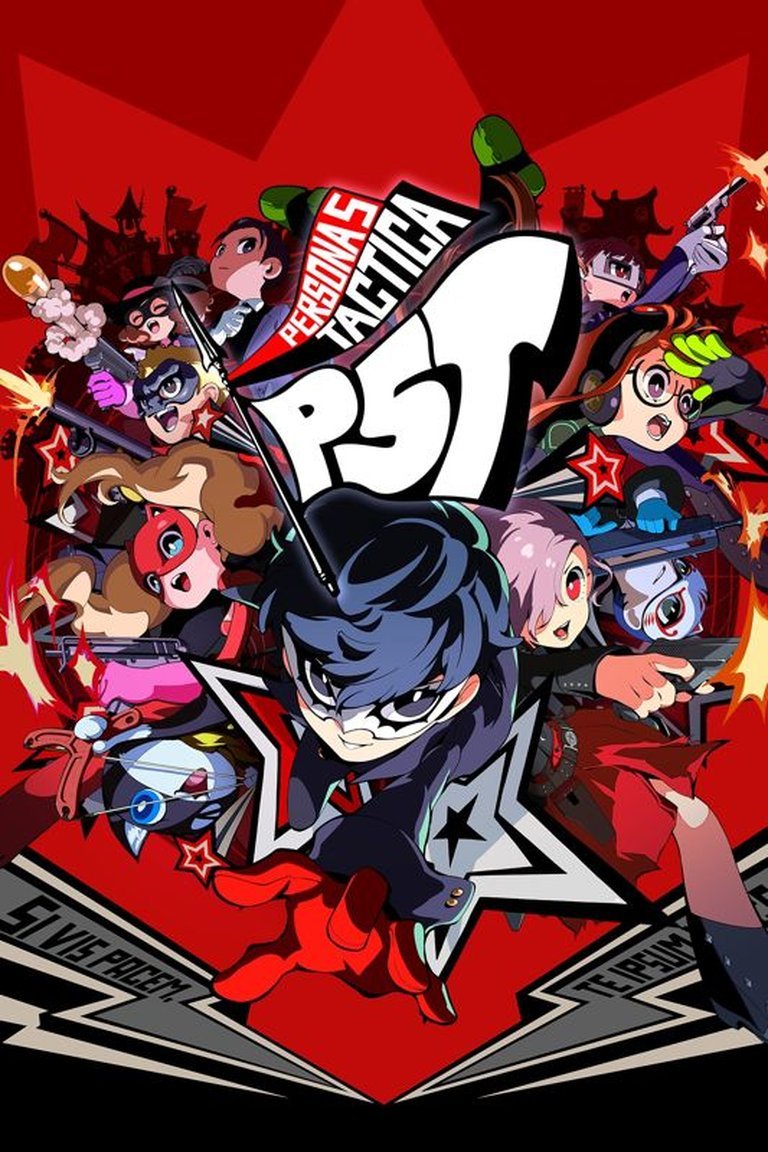
Persona 5: Tactica is a tactical RPG spin-off that sees the Phantom Thieves of Hearts transported to a distorted alternate realm ruled by oppressive tyrants. Teaming up with a revolutionary named Erina, players must engage in grid-based turn-based combat, using strategic positioning and Persona abilities to liberate citizens, uncover the mystery of their entrapment, and confront corrupt regimes through the series’ signature story-driven adventures.
Gameplay Videos
Where to Buy Persona 5: Tactica
PC
Persona 5: Tactica Mods
Persona 5: Tactica Guides & Walkthroughs
Persona 5: Tactica Reviews & Reception
metacritic.com (90/100): Persona 5 Tactica is an excellent addition to the overall Persona 5 property. What at first looks like a cheerfully whimsical bonus spinoff ends up being something that adds to the core themes of the base game, and is impressive in the way it does that.
ign.com : Persona 5 Tactica is a big bag of bite-sized Phantom Thieves adventures that keeps the spirit of the series alive and shows that it can work great with a grid-based battle system.
deltiasgaming.com (78/100): Most critics so far seem to be in agreement that Persona 5 Tactica has a great narrative and heartfelt story, though some feel that the gameplay is very linear without much to do outside of combat.
opencritic.com (90/100): A supremely satisfying turn-based strategy spin-off, and one of Persona’s best ever stories.
Persona 5: Tactica: A Symphony of Rebellion in a Chibi-Fied Kingdom
Introduction: The Phantom Thieves Take a Grid
In the sprawling, multi-year saga of Persona 5, a game that already wore the crowns of “definitive JRPG” and “cultural phenomenon” after its original release and the expanded Royal, one might have assumed the tale of Joker and the Phantom Thieves of Hearts was neatly tied. Yet, like a cognitive world refusing to collapse, Atlus has repeatedly summoned the gang back for more. Persona 5: Tactica is the latest—and most structurally divergent—of these summons. It is not a sequel in the action-RPG vein of Strikers, nor a dungeon-crawling collaboration like the Q duology. Instead, it represents a deliberate, full-assault genre shift into grid-based tactical turn-based strategy, a realm where positioning, cover, and area-of-effect spells reign supreme.
This review argues that Persona 5: Tactica is a resounding, if imperfect, success. It masterfully translates the core thematic and mechanical language of Persona 5—the spirit of rebellion, the “One More” turn system, the thrill of exploiting weaknesses—into a new linguistic framework. In doing so, it crafts a narrative that, while shorter and less socially explorative than its progenitor, digs deeper into the specific psychological trauma of a new protagonist, Toshiro Kasukabe, making it one of the more thematically cohesive and emotionally raw entries in the Persona 5 spin-off family. Its legacy will be that of a bold prototype: a game that proved the Persona skeleton could sustain a tactical flesh, but also illuminated the inherent tensions between the series’ signature “life sim” pacing and a genre built on discrete, repeatable combat scenarios.
Development History & Context: Forging a New Path with Familiar Steel
Persona 5: Tactica was developed by P-Studio, the internal team at Atlus responsible for the mainline Persona titles and several spin-offs. Its announcement at the 2023 Xbox Games Showcase was a culmination of years of Atlus experimenting with the Persona formula across genres. As detailed in post-launch interviews with director Naoya Maeda and producers Kazuhisa Wada and Atsushi Nomura, the genesis was a simple question: why hadn’t the Persona series ever embraced the tactical RPG genre, especially given Atlus’s own pedigree with the Devil Survivor sub-series?
The vision was clear: leverage the established world, characters, and combat ethos of Persona 5 to create an accessible entry point into strategy games. Nomura noted that the Phantom Thieves’ core tactics—stealth, reconnaissance, exploiting enemy positioning from high ground—were a natural fit for grid-based play. The goal was not to create a brutallyhardcore XCOM or Fire Emblem experience, but a “fast tactics” game where strategic thinking emerged organically from the game’s clear visual language. Cover was color-coded, enemy and ally advantages were immediately apparent, and the “One More” system provided the same satisfying, chainable reward loop as the original.
Technologically, the game was built in Unity, a departure from the proprietary engines often used for mainline titles. This choice likely facilitated the game’s simultaneous multi-platform release on Switch, PlayStation, Xbox, and PC. Early prototypes reportedly used character models from Persona Q2, but the final art direction, led by artist Hanako Oribe, consciously eschewed the super-deformed (chibi) style of those games for a more exaggerated, comic-book-inspired look with elongated limbs and dynamic, playful proportions. This stylistic choice was partly pragmatic: with the game’s camera angles, standard proportions would have made characters look “like stick figures,” as Maeda stated, but it also gave Tactica a distinct, instantly recognizable visual identity separate from both P5 and the Q games.
The game’s context within the 2023 release landscape was notable. It arrived late in the year as a Game Pass title on day one, a significant partnership between Atlus and Microsoft that signaled a new era of accessibility for the famously platform-holding Persona series. Its development also occurred in the wake of the monumental success of Persona 5 Royal and the excitement for the Persona 3 Remake, positioning Tactica as both a loving spinoff and a potential palate cleanser for fans awaiting the next mainline leap.
Narrative & Thematic Deep Dive: The Tyranny of a Past Self
While Persona 5 framed rebellion against societal corruption through the lens of adult authority figures—teachers, politicians, artists—Tactica internalizes the conflict. The story takes place during the events of Persona 5 Royal, specifically in the winter between Joker’s release from prison and the graduation of the third-years, before the events of Strikers. The Phantom Thieves, enjoying a rare moment of peace at Café Leblanc, are violently transported to a strange realm of medieval and feudal Kingdoms, all seemingly ruled by “Tyrants.”
The masterful twist is that these Kingdoms are not Palaces created by the distorted desires of adults, but are instead cognitive constructs born from the psyche of Toshiro Kasukabe, a missing national Diet member. Each Tyrant represents a figure who shaped