
- Release Year: 2022
- Platforms: Nintendo Switch, PlayStation 4, Windows, Xbox One, Xbox Series
- Publisher: CubeGame, Rocket Panda Games, Inc.
- Developer: GameLoop Inc., MAGES. Inc.
- Genre: Action
- Perspective: Side view
- Game Mode: Online PVP, Single-player
- Gameplay: Fighting
- Setting: Contemporary, Fantasy, Futuristic), Japan (Modern
- Average Score: 69/100
Description
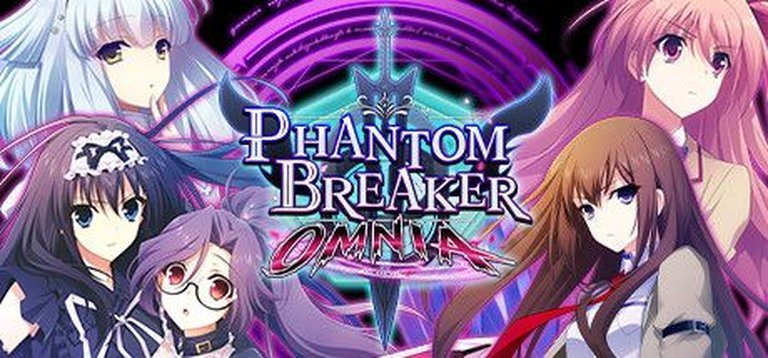
Phantom Breaker: Omnia is a fast-paced 2D fighting game set in contemporary Japan with supernatural elements, where warriors are manipulated by a mysterious being called Phantom to battle for control of the Fu-Mension, a powerful artifact. This updated version of the Phantom Breaker series features an expanded roster of 20 characters, each with unique abilities, and modernized gameplay mechanics with multiple fighting styles. The anime-inspired aesthetic and high-energy combat unfold as fighters clash to become the strongest warrior while unraveling Phantom’s enigmatic motives.
Gameplay Videos
Where to Buy Phantom Breaker: Omnia
PC
Phantom Breaker: Omnia Mods
Phantom Breaker: Omnia Guides & Walkthroughs
Phantom Breaker: Omnia Reviews & Reception
opencritic.com (68/100): Phantom Breaker: Omnia is a perfectly serviceable fighter, but the story is dull and unexciting, and there’s better out there.
metacritic.com (68/100): Phantom Breaker: Omnia surprises by offering solid content and robust gameplay. It brings, at the same time, simplicity and sophistication in its mechanics that distance itself (a little) from the more conventional style without reinventing the wheel.
destructoid.com (75/100): Phantom Breaker: Omnia can best be described as a ‘casual friendly’ one vs. one fighter with plenty of room for depth.
monstercritic.com (68/100): Phantom Breaker: Omnia is a solid enough 2D anime versus that I’m happy to have finally seen localized. Plenty of characters with their own personal fighting styles before applying secondary mechanics and there’s more than enough to keep fighting enthusiasts going especially with the online versus component.
Phantom Breaker: Omnia: Review
In the crowded landscape of 2D fighting games, few titles manage to carve out a unique identity while paying homage to the classics. Phantom Breaker: Omnia, developed by MAGES. Inc. and published by Rocket Panda Games, is one such title. Released in March 2022, Omnia is a massive update to the 2013 game Phantom Breaker: Extra, bringing a fresh coat of paint and new features to an already beloved franchise. This review will delve into the game’s development history, narrative, gameplay mechanics, world-building, reception, and ultimately, its place in video game history.
Development History & Context
Phantom Breaker: Omnia is the brainchild of Masaki Sakari, who served as both director and story writer. The game is a product of MAGES. Inc., a studio known for its work on visual novels and fighting games, and GameLoop Inc., which contributed to the game’s development. Rocket Panda Games, the publisher, is a relatively new entrant in the gaming industry but has quickly made a name for itself with its commitment to quality and innovation.
The development of Omnia was not without its challenges. The game was initially released in Japan in 2013 as Phantom Breaker: Extra, but it took nearly a decade for it to see a Western release. This delay allowed the developers to refine the game’s mechanics, improve its visuals, and add new features that would appeal to a global audience. The result is a game that feels both nostalgic and modern, a testament to the developers’ dedication to the franchise.
The gaming landscape in 2022 was dominated by a resurgence of 2D fighting games, with titles like Guilty Gear -Strive- and The King of Fighters XV setting new standards for the genre. Omnia, however, managed to stand out by offering a unique blend of accessibility and depth, making it an attractive option for both casual and hardcore fighting game enthusiasts.
Narrative & Thematic Deep Dive
Phantom Breaker: Omnia’s narrative is a blend of contemporary and fantastical elements, set against the backdrop of modern Tokyo. The story revolves around a mysterious figure known as Phantom, who manipulates a group of teenagers into fighting each other by promising to grant their deepest wishes. These fights, however, have unintended consequences, causing distortions in space-time and threatening the stability of parallel universes.
The game’s characters are a diverse bunch, each with their own unique backstory and motivations. From Mikoto Nishina, a powerful Chosen One seeking to protect her loved ones, to Itsuki Kono, a maid of justice with a penchant for battle, each character brings something unique to the table. The dialogue is well-written, and the voice acting, available in both English and Japanese, is top-notch. The game’s themes of desire, manipulation, and the consequences of one’s actions are explored in depth, adding a layer of complexity to the narrative.
One of the standout features of Omnia’s narrative is its use of parallel universes. This allows for a variety of storylines and character interactions, keeping the gameplay fresh and engaging. The game’s ending, while satisfying, leaves room for future expansions, hinting at a larger universe that players can explore.
Gameplay Mechanics & Systems
Phantom Breaker: Omnia’s gameplay is a blend of simplicity and depth, making it accessible to newcomers while offering enough complexity to keep veteran fighting game players engaged. The game features a roster of 20 characters, each with their own unique fighting style and special moves. Players can choose from three different fighting styles: Quick, Hard, and Omnia. Quick style emphasizes speed and combo potential, Hard style focuses on power and single-hit attacks, and Omnia style offers a balance of both.
The combat system is easy to learn but hard to master. Basic attacks are mapped to four buttons: Light, Medium, Heavy, and Special. Combos can be executed by combining these buttons with directional inputs, allowing for a wide range of attacks and strategies. The game also features a Burst Meter, which can be used to perform powerful special moves and turn the tide of battle.
One of the game’s innovative features is the Slip Shift mechanic, which allows players to dodge incoming attacks by sidestepping at the right moment. This adds a layer of strategy to the combat, as players must time their dodges perfectly to avoid damage. The game also features a tension gauge, which fills up as attacks clash and cancel each other out. When full, players can unleash devastating attacks that can turn the tide of battle.
The game’s UI is clean and intuitive, with all necessary information displayed clearly on the screen. The training mode, however, is a bit lacking, with important information tucked away in the instruction manual. This can be a barrier for newcomers, who may struggle to learn the game’s mechanics without proper guidance.
World-Building, Art & Sound
Phantom Breaker: Omnia’s world-building is impressive, with a detailed and immersive setting that draws players in. The game’s art style is a blend of anime and manga aesthetics, with beautifully designed characters and detailed backgrounds. The game’s use of Tokyo as a setting adds a sense of familiarity, while the fantastical elements of parallel universes and mystical weapons add a layer of intrigue.
The game’s soundtrack is a highlight, with a mix of upbeat tracks that get players pumped for combat. The soundtrack has been remixed for the Western release, with the option to switch back to the original music if preferred. The voice acting is top-notch, with a talented cast bringing the characters to life.
The game’s sound design is also noteworthy, with crisp and satisfying sound effects that add to the combat experience. The game’s use of sound to convey information, such as the filling of the Burst Meter, is effective and immersive.
Reception & Legacy
Phantom Breaker: Omnia received a mixed reception upon its release, with critics praising its unique approach to the fighting genre but noting its flaws. The game’s Moby Score is 6.8, with an average critic score of 68%. Players, however, have been less enthusiastic, with an average score of 2.0 out of 5.
Critics praised the game’s accessibility, with its simple yet effective gameplay making it an attractive option for casual fighting game fans. The game’s visuals and soundtrack were also highlighted, with many critics noting the game’s unique art style and catchy music. However, the game’s lack of rollback netcode and dated systems were noted as drawbacks, with some critics questioning the game’s relevance in the modern fighting game landscape.
Despite its mixed reception, Omnia has left a mark on the fighting game genre. Its unique blend of accessibility and depth, along with its innovative mechanics, has inspired other developers to push the boundaries of the genre. The game’s legacy can be seen in subsequent titles, which have sought to emulate its success.
Conclusion
Phantom Breaker: Omnia is a unique and innovative entry in the 2D fighting game genre. Its blend of accessibility and depth, along with its immersive world-building and impressive art and sound design, make it a standout title. While the game has its flaws, such as its lack of rollback netcode and dated systems, it remains a worthy addition to any fighting game enthusiast’s library.
In conclusion, Phantom Breaker: Omnia is a game that deserves recognition for its contributions to the fighting game genre. Its unique approach to gameplay, along with its immersive world-building and impressive art and sound design, make it a standout title. While it may not be perfect, it is a game that fighting game enthusiasts will appreciate and enjoy. Its legacy will continue to inspire future titles, ensuring that the Phantom Breaker series remains a beloved part of the fighting game landscape.