
- Release Year: 2016
- Platforms: Windows
- Publisher: vikingfabian.com
- Developer: vikingfabian.com
- Genre: Strategy, Tactics
- Perspective: Diagonal-down
- Game Mode: Single-player
- Gameplay: Cards, Tiles, Turn-based
- Average Score: 68/100
Description
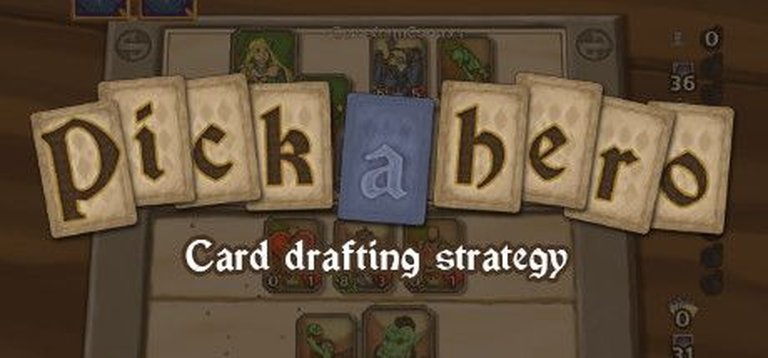
Pick a Hero is a turn-based strategy game where players draft cards to build a team of heroes and engage in tactical battles. Set in a fantasy world, the game combines deck-building mechanics with diagonal-down, fixed-screen visuals, offering a mix of strategic depth and accessible gameplay. Players must carefully select and upgrade their heroes to overcome challenges and outmaneuver opponents in a dynamic, tile-based combat system.
Where to Buy Pick a Hero
PC
Pick a Hero Patches & Updates
Pick a Hero Guides & Walkthroughs
Pick a Hero Reviews & Reception
store.steampowered.com (68/100): A card drafting game for two players with no unlocking or deck-building.
steambase.io (69/100): A Mixed rating with 69/100 based on 58 reviews.
steamcommunity.com : Thanks for making an even playfield game in a sea of CCG garbage, I will recommend this to all my friends
isthereanydeal.com (68/100): A card drafting game for two players with no unlocking or deck-building.
Pick a Hero: A Strategic Gem in the Card Drafting Landscape
Introduction
In the vast ocean of digital card games, where the tides of microtransactions and grind-heavy progression systems threaten to drown the purity of strategic gameplay, Pick a Hero emerges as a beacon of simplicity and fairness. Released in 2016 by the one-person studio vikingfabian.com, this turn-based card drafting game strips away the superfluous layers of deck-building and unlocking mechanics, offering instead a raw, even-playing-field experience that harkens back to the essence of strategic card play. This review delves deep into the game’s design, mechanics, and legacy, exploring how it carves out a unique niche in the competitive card game genre.
Development History & Context
The Vision of a Solo Developer
Pick a Hero is the brainchild of Fabian Viking, a solo developer who sought to create a card game that prioritized strategy over monetization. In an era dominated by free-to-play card games like Hearthstone and Magic: The Gathering Arena, which often rely on randomized card packs and lengthy grinding to unlock content, Pick a Hero stands as a defiant alternative. The game’s development was driven by a desire to offer players immediate access to all cards, eliminating the pay-to-win dynamics that plague many of its contemporaries.
Technological Constraints and Design Philosophy
Built using the XNA/C# engine, Pick a Hero is a testament to the power of constrained design. The game’s fixed/flip-screen visual perspective and diagonal-down viewpoint are reminiscent of classic board games, reinforcing its tactile, strategic feel. The decision to lock the framerate at 60 FPS ensures smooth gameplay, while the lack of touch support underscores its focus on traditional input methods like mouse, keyboard, and gamepads.
The game’s development team size—just one person—highlights the efficiency of its design. Fabian Viking’s approach was to create a game that was both accessible and deep, without the bloat of unnecessary features. This philosophy is evident in the game’s minimalist UI, straightforward mechanics, and lack of monetization, making it a rare breed in the modern gaming landscape.
The Gaming Landscape in 2016
2016 was a pivotal year for digital card games. Hearthstone had already cemented its dominance, while The Elder Scrolls: Legends and Gwent: The Witcher Card Game were emerging as strong contenders. Amidst this competitive environment, Pick a Hero chose a different path. Instead of competing directly with these giants, it carved out a niche for players who craved a more pure, strategic experience. The game’s release on Steam, with its emphasis on local and online multiplayer, positioned it as a title for those who valued skill over luck and strategy over grinding.
Narrative & Thematic Deep Dive
The Absence of a Traditional Narrative
Pick a Hero is not a game driven by a grand narrative or lore-heavy worldbuilding. Unlike titles such as Slay the Spire or Hearthstone, which weave intricate stories and characters into their gameplay, Pick a Hero strips away these elements to focus solely on the strategic duel between two players. This minimalist approach is not a flaw but a deliberate design choice, one that allows the game to emphasize its core mechanics without distraction.
Thematic Simplicity
The game’s theme is straightforward: two players draft cards from a shared pool and deploy them on a board to outmaneuver their opponent. The cards themselves are abstract, lacking the fantastical artwork or detailed backstories found in other card games. This simplicity ensures that the player’s attention remains on the strategic possibilities of each card rather than their thematic appeal.
The Role of Random Events
While the game lacks a traditional narrative, it does incorporate random events—eight different gameplay modifiers—that introduce variability into each match. These events can alter the rules of the game temporarily, adding a layer of unpredictability that keeps matches fresh. However, these events are purely mechanical, serving to enhance replayability rather than to tell a story.
Gameplay Mechanics & Systems
Core Gameplay Loop
At its heart, Pick a Hero is a card drafting game. Each turn, players select cards from a random pool and place them on a board. The goal is to outmaneuver the opponent by strategically positioning cards to maximize their effectiveness. The game’s turn-based pacing allows for deliberate, tactical decision-making, making it a game of wits rather than reflexes.
Card Mechanics and Strategy
The game features 191 unique cards, each with distinct abilities and effects. Unlike traditional card games, there is no deck-building or unlocking—all cards are available from the start. This design choice ensures that every player begins on an even footing, with victory determined by skill rather than the size of one’s card collection.
The cards are divided into different types, including units, spells, and special abilities. Players must draft cards strategically, considering not only their immediate utility but also their potential synergies with other cards. The board-based gameplay adds a spatial element to the strategy, as players must position their cards to optimize their effectiveness while disrupting their opponent’s plans.
Multiplayer and Accessibility
Pick a Hero supports both online multiplayer and local hotseat play, making it a versatile title for competitive and casual players alike. The game’s single-player practice mode allows newcomers to familiarize themselves with the mechanics before diving into multiplayer matches. The lack of a progression system or monetization ensures that the game remains accessible to all players, regardless of their investment in time or money.
UI and User Experience
The game’s UI is minimalist and functional, designed to keep the focus on the gameplay. The diagonal-down perspective and fixed/flip-screen visuals give the game a board-game-like feel, reinforcing its strategic nature. The lack of rebindable keys is a minor drawback, but the game’s support for multiple input methods, including gamepads, ensures that it remains accessible to a wide audience.
World-Building, Art & Sound
Visual Design
Pick a Hero’s visual design is understated, with a focus on clarity and functionality. The cards are simple and easy to read, with clear icons and text that convey their effects at a glance. The board itself is uncluttered, allowing players to focus on the strategic placement of their cards. The game’s art style is not flashy, but it serves its purpose effectively, ensuring that the gameplay remains the star of the show.
Sound Design
The game’s sound design is equally minimalist. There are no elaborate sound effects or musical scores to distract from the gameplay. Instead, the sounds are functional, providing auditory feedback for card plays and other in-game actions. This approach ensures that the game remains immersive without overwhelming the player with unnecessary sensory input.
Atmosphere and Immersion
While Pick a Hero lacks the rich worldbuilding and atmospheric depth of games like Slay the Spire or Darkest Dungeon, it creates its own unique atmosphere through its focus on pure strategy. The game’s minimalist design and lack of narrative elements allow players to immerse themselves fully in the tactical challenge of each match. The absence of distractions ensures that the player’s attention remains on the board, fostering a deep sense of engagement with the gameplay.
Reception & Legacy
Critical and Commercial Reception
Pick a Hero received a mixed reception upon its release, with a Steambase Player Score of 69/100 based on 58 reviews. While some players praised the game’s strategic depth and lack of monetization, others criticized its minimalist design and lack of narrative elements. The game’s niche appeal meant that it did not achieve widespread commercial success, but it found a dedicated audience among players who valued its pure, strategic gameplay.
Influence on Subsequent Games
Despite its mixed reception, Pick a Hero has had a subtle but meaningful influence on the card game genre. Its emphasis on an even playing field and lack of monetization has inspired other indie developers to explore similar design philosophies. Games like Slay the Spire and Monster Train have since demonstrated that card games can succeed without relying on pay-to-win mechanics, a trend that Pick a Hero helped to pioneer.
Evolution of Its Reputation
Over time, Pick a Hero has gained a cult following among strategy enthusiasts who appreciate its no-frills approach to card gaming. The game’s reputation has evolved from that of a niche title to a respected example of how card games can prioritize strategy over monetization. Its legacy lies in its defiance of industry trends, offering a pure, skill-based experience in a genre often dominated by grind and microtransactions.
Conclusion
Pick a Hero is a game that defies convention. In an era where card games are often designed to maximize player investment through monetization and grinding, Pick a Hero stands as a testament to the power of pure strategy. Its minimalist design, lack of narrative, and focus on even-playing-field gameplay make it a unique and refreshing entry in the genre.
While it may not have achieved widespread commercial success, Pick a Hero has earned its place in the annals of card game history as a title that prioritizes skill and strategy over all else. For players who crave a tactical challenge without the distractions of lore, progression systems, or microtransactions, Pick a Hero is a hidden gem worth discovering.
Final Verdict: Pick a Hero is a strategic masterpiece for those who value pure, unadulterated card gameplay. Its lack of narrative and minimalist design are not flaws but strengths, allowing the game to focus on what truly matters: the battle of wits between two players. While it may not appeal to those seeking a story-driven experience, it is a must-play for strategy enthusiasts who appreciate a game that rewards skill above all else.
Score: 8/10 – A brilliant tactical experience that carves out its own niche in the card game genre.