
- Release Year: 2006
- Platforms: BREW, J2ME, Macintosh, Windows
- Publisher: Game Factory Interactive Ltd., PlayFirst, Inc., Russobit-M, Starwave Mobile
- Developer: gameLab
- Genre: Action, Educational
- Perspective: Diagonal-down
- Game Mode: Single-player
- Gameplay: Business simulation, Managerial, Time management
- Setting: Fantasy, Nature
- Average Score: 90/100
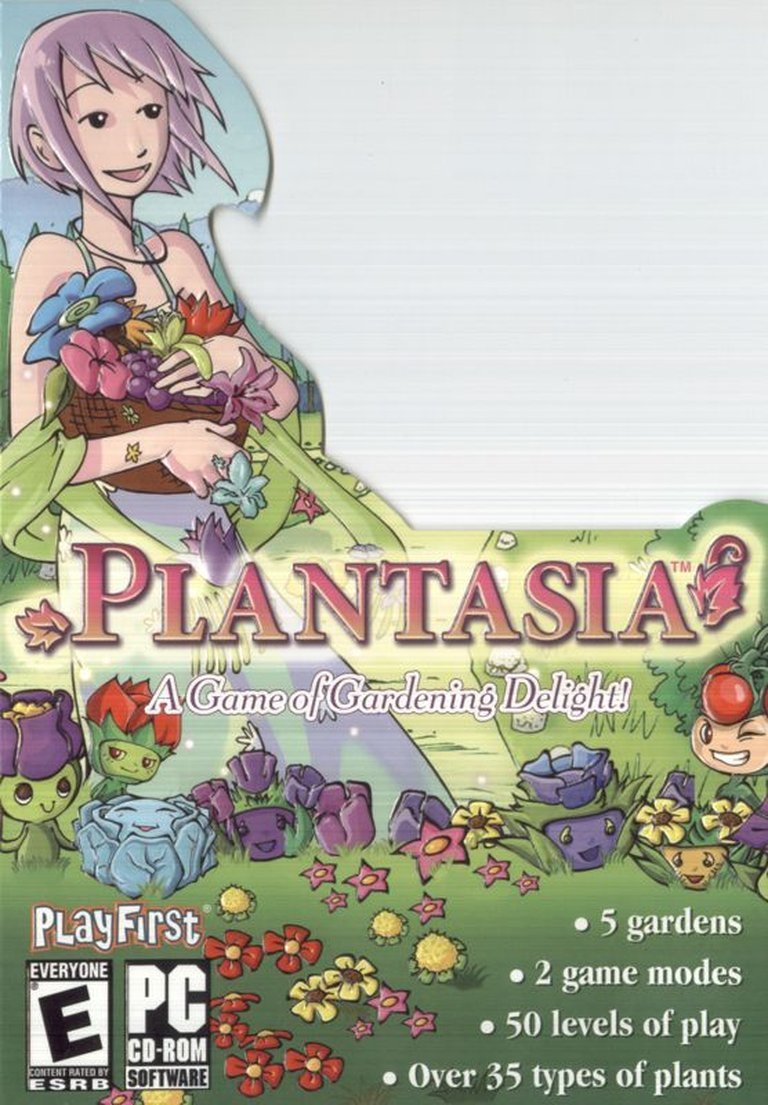
Description
Plantasia is a charming managerial and time management game where you play as Holly, a fairy-in-training, tasked with restoring Jack’s overgrown gardens to their former glory. Armed with basic tools like a shovel and watering can, you must replant flowers, repair statues, and fend off pests while collecting Mana to unlock upgrades like stronger spells and better tools. As you progress through the gardens, the challenges grow, requiring strategic planning and quick mouse-clicking to overcome weeds and critters. With its whimsical fairy theme and educational undertones about nature, the game appeals to younger players, though the fast-paced gameplay may challenge the very youngest.
Gameplay Videos
Where to Buy Plantasia
PC
Plantasia Free Download
Plantasia Cracks & Fixes
Plantasia Reviews & Reception
jayisgames.com (94/100): A charming and addictive downloadable game about gardening from the folks at GameLab.
steambase.io (87/100): Plantasia has earned a Player Score of 87 / 100.
mobygames.com (89/100): Average score: 89% (based on 2 ratings).
Plantasia: A Whimsical Time Management Masterpiece
Introduction
In the mid-2000s, the casual gaming landscape was blossoming with innovative titles that blended accessibility with depth. Among these, Plantasia (2006) stands out as a charming, whimsical time management game that transcended its genre’s conventions. Developed by gameLab and published by PlayFirst, Plantasia is a delightful fusion of gardening simulation, resource management, and narrative-driven gameplay. With its vibrant visuals, engaging mechanics, and heartfelt story, Plantasia carved a niche for itself in the casual gaming market, appealing to both young players and adults alike.
This review will delve into the game’s development history, narrative depth, gameplay mechanics, artistic design, and lasting legacy. By examining Plantasia through a critical lens, we aim to highlight its strengths, acknowledge its flaws, and celebrate its unique contributions to the world of video games.
Development History & Context
The Studio and Creators’ Vision
Plantasia was developed by gameLab, a New York-based studio known for its innovative approach to casual games. The studio’s portfolio includes Diner Dash, a groundbreaking time management game that redefined the genre. Plantasia was helmed by Nick Fortugno, the lead designer behind Diner Dash, and featured a talented team of developers, artists, and designers. The game’s art direction was led by Jacqueline Yue, while Michael Sweet of Audiobrain crafted its whimsical soundtrack.
The creators’ vision for Plantasia was to create a game that combined the addictive gameplay of Diner Dash with a more serene, nature-themed setting. The goal was to appeal to a broader audience, particularly younger players and those interested in gardening and ecology. The game’s narrative, centered around a fairy-in-training named Holly, was designed to be heartwarming and engaging, with a focus on themes of growth, renewal, and healing.
Technological Constraints and Innovations
Released in 2006, Plantasia was developed during a time when casual games were primarily distributed via digital download platforms like Reflexive Arcade and Big Fish Games. The game was built using Adobe Flash, a technology that allowed for smooth animations and vibrant visuals but also imposed limitations on performance and scalability.
Despite these constraints, Plantasia introduced several innovations to the time management genre:
– Queue-Based Gameplay: Like Diner Dash, Plantasia emphasized the importance of multitasking and efficient resource management. However, it differentiated itself by focusing on spatial organization and color-based bonuses, encouraging players to strategically plant flowers in groups to maximize mana harvests.
– Dynamic Difficulty: The game featured a gradual increase in complexity, with later levels introducing more challenging pests, weeds, and time constraints. This ensured that players were constantly engaged and motivated to improve their strategies.
– Narrative Integration: Unlike many casual games of the era, Plantasia wove its gameplay mechanics into a cohesive narrative, making the player’s actions feel meaningful and purposeful.
The Gaming Landscape of 2006
The mid-2000s were a golden age for casual gaming, with titles like Bejeweled, Peggle, and Diner Dash dominating the market. These games were characterized by their accessibility, short play sessions, and addictive gameplay loops. Plantasia entered this landscape as a fresh take on the time management genre, offering a unique blend of gardening simulation and fairy-tale storytelling.
The game’s release on Windows and Macintosh platforms, as well as mobile versions for BREW and J2ME, ensured that it reached a wide audience. Its ESRB rating of “Everyone” made it accessible to players of all ages, further broadening its appeal.
Narrative & Thematic Deep Dive
Plot Overview
Plantasia follows the journey of Holly, a fairy-in-training, as she embarks on her final task before becoming a full-fledged fairy. Her mission is to grant a wish to a man named Jack, who resides in a once-beautiful estate that has fallen into disrepair. Instead of wishing for riches or fame, Jack simply asks Holly to restore his gardens—a task that proves to be far more challenging than she anticipated.
As Holly explores the estate, she discovers that Jack is a recluse, grieving the loss of his wife, Julie. The gardens, once meticulously cared for by Jack and Julie, have become overrun with weeds, pests, and rocks. With the help of Winkleroot, a wise and elderly magic flower, Holly learns about the estate’s history and the emotional significance of the gardens to Jack.
Characters and Dialogue
The game’s cast is small but memorable, with each character serving a distinct narrative purpose:
– Holly: The protagonist, a determined and compassionate fairy-in-training. Her journey is one of personal growth, as she learns the value of perseverance and the healing power of nature.
– Jack: A tragic figure whose grief has led him to neglect the gardens. His character arc revolves around rediscovering his love for gardening and finding closure.
– Winkleroot: The mentor figure, providing guidance and context to Holly’s mission. His dialogue is filled with wisdom and subtle hints about the estate’s past.
– Julie: Though deceased, Julie’s presence is felt throughout the game. Her memory serves as a catalyst for Jack’s emotional journey and Holly’s determination to restore the gardens.
The dialogue in Plantasia is simple yet effective, conveying the game’s themes of loss, renewal, and hope. The interactions between Holly and Winkleroot are particularly noteworthy, as they provide insight into the estate’s history and the emotional weight of Holly’s task.
Underlying Themes
Plantasia explores several profound themes, making it more than just a casual time management game:
– Healing Through Nature: The act of restoring the gardens serves as a metaphor for Jack’s emotional healing. As the gardens flourish, so too does Jack’s spirit, highlighting the therapeutic power of nature.
– The Cycle of Life and Death: The game’s narrative touches on themes of mortality and renewal, with the gardens symbolizing the cyclical nature of life. The death of Julie and the subsequent neglect of the gardens represent a period of stagnation, while Holly’s efforts signify rebirth and growth.
– The Importance of Perseverance: Holly’s journey is fraught with challenges, from pesky insects to stubborn weeds. Her determination to overcome these obstacles mirrors the player’s own perseverance in mastering the game’s mechanics.
– Love and Loss: The relationship between Jack and Julie is central to the game’s emotional core. Their love story, though tragic, serves as a reminder of the enduring power of love and the importance of cherishing memories.
Gameplay Mechanics & Systems
Core Gameplay Loop
At its heart, Plantasia is a time management game with a strong emphasis on resource allocation and strategic planning. The core gameplay loop involves:
1. Digging and Planting: Players use a shovel to dig holes and plant seeds, which grow into various types of flowers and vegetables.
2. Watering and Harvesting: Flowers must be watered regularly to prevent them from wilting. Once fully grown, they can be harvested for mana, the game’s primary currency.
3. Pest and Weed Control: Players must fend off insects and remove weeds, which can damage or kill flowers if left unchecked.
4. Repairing Statues: Mana is used to repair garden statues, which serve as the primary objectives for each level.
Combat and Character Progression
While Plantasia is not a traditional combat-heavy game, it does feature elements of conflict in the form of pests and weeds. Players must use tools like the pest sprayer and weeder to eliminate these threats, with more advanced tools becoming available as the game progresses.
Character progression is tied to the acquisition of Fairy Powers and upgraded tools, which enhance Holly’s abilities and make her more efficient at managing the gardens. These upgrades are purchased using mana and include:
– Wheelbarrow Spell: Allows Holly to quickly remove rocks and debris.
– Rainstorm Spell: Waters all plants on the field simultaneously.
– Advanced Pest Sprayer: More effective at eliminating insects.
UI and Innovative Systems
Plantasia‘s user interface is intuitive and well-designed, with clear icons and tooltips that guide players through the game’s mechanics. The seed selection menu, located at the top of the screen, allows players to choose from a variety of flowers and vegetables, each with unique growth rates and mana yields.
One of the game’s most innovative systems is its color-based bonus mechanic. Planting flowers of the same color in adjacent plots yields additional mana, encouraging players to strategically plan their garden layouts. This system adds a layer of depth to the gameplay, rewarding players for thoughtful organization and foresight.
Flaws and Criticisms
Despite its many strengths, Plantasia is not without its flaws:
– Repetitive Mouse-Clicking: The game’s reliance on rapid mouse-clicking can be physically taxing, particularly during later levels where speed and precision are crucial.
– Lack of Seed Selection Flexibility: The static seed selection menu can lead to accidental misclicks, forcing players to correct errors and potentially disrupting their strategies.
– Uneven Difficulty Curve: Some levels are significantly more challenging than others, which can lead to frustration, particularly for younger or less experienced players.
World-Building, Art & Sound
Setting and Atmosphere
Plantasia is set in a lush, magical estate filled with vibrant gardens, intricate statues, and whimsical fairy-tale elements. The game’s isometric perspective and fixed/flip-screen visuals create a sense of depth and immersion, drawing players into its enchanting world.
The estate is divided into five distinct regions, each with its own unique theme and challenges. From the overgrown Rose Garden to the mystical Fairy Glade, each area tells a part of the estate’s story and contributes to the game’s overall atmosphere of wonder and discovery.
Visual Direction
The game’s art style is bright, colorful, and filled with charm. The flowers and plants are anthropomorphized, with expressive faces that react to the player’s actions. This design choice adds a layer of personality to the game, making the flora feel alive and engaging.
The character designs are equally delightful, with Holly’s fairy-like appearance and Winkleroot’s wise, elderly demeanor perfectly capturing their roles in the narrative. The game’s use of fairy dust circles and magic spells further enhances its fantastical aesthetic, creating a world that feels both familiar and magical.
Sound Design
Plantasia‘s soundtrack, composed by Michael Sweet of Audiobrain, is a standout feature of the game. The music is whimsical and uplifting, perfectly complementing the game’s themes of growth and renewal. Tracks like the main theme and garden ambiance create a soothing atmosphere, while more upbeat tunes accompany the game’s faster-paced moments.
The sound effects are equally well-crafted, with each action—from digging holes to harvesting flowers—accompanied by satisfying audio cues. The game’s use of ambient sounds, such as birds chirping and leaves rustling, further immerses players in its magical world.
Reception & Legacy
Critical and Commercial Reception
Plantasia was met with positive reviews upon its release, with critics praising its charming visuals, engaging gameplay, and heartfelt narrative. GameZebo awarded the game a perfect score of 100%, calling it a “rousing success” and highlighting its appeal to both casual and seasoned gamers. Inside Mac Games gave it a 78%, commending its strategic depth and kid-friendly design.
Commercially, Plantasia enjoyed moderate success, particularly within the casual gaming market. Its availability on multiple platforms, including Windows, Macintosh, and mobile devices, helped it reach a broad audience. The game’s $29.99 price point was considered reasonable for its time, though some players found it steep for a casual title.
Evolution of Reputation
Over the years, Plantasia has developed a cult following among fans of time management and gardening simulation games. Its unique blend of narrative depth and addictive gameplay has earned it a place in the pantheon of classic casual games.
The game’s reputation has been further bolstered by its nostalgic appeal, with many players fondly remembering it as a standout title from the mid-2000s. Its whimsical art style and heartfelt story continue to resonate with players, making it a beloved entry in the genre.
Influence on Subsequent Games
Plantasia has had a lasting impact on the time management and simulation genres, inspiring numerous games that blend resource management with narrative-driven gameplay. Its color-based bonus system and spatial organization mechanics have been adopted by later titles, demonstrating the game’s innovative approach to casual gaming.
The game’s success also paved the way for other gardening-themed simulations, such as Garden Paws and Stardew Valley, which have expanded on Plantasia‘s core concepts. Its influence can be seen in the emphasis on emotional storytelling and player-driven restoration, elements that have become staples of modern simulation games.
Conclusion
Plantasia is a gem of the mid-2000s casual gaming scene, offering a unique blend of time management, gardening simulation, and heartfelt storytelling. Its charming visuals, engaging gameplay, and profound themes make it a standout title that continues to resonate with players today.
While the game is not without its flaws—particularly its repetitive mouse-clicking and uneven difficulty curve—its strengths far outweigh its weaknesses. Plantasia is a testament to the power of casual games to tell meaningful stories and create immersive experiences, and it deserves a place in the annals of video game history as a pioneering title in the time management genre.
Final Verdict: Plantasia is a delightful and engaging game that offers a unique blend of strategy, storytelling, and whimsy. Its charming visuals, heartfelt narrative, and innovative gameplay mechanics make it a must-play for fans of casual and simulation games. While it may not be perfect, its strengths and lasting influence cement its status as a classic of the genre.
Score: 8.5/10 – A whimsical masterpiece that stands the test of time.