
- Release Year: 2010
- Platforms: Macintosh, Windows
- Publisher: 4sdk GbR, UIG Entertainment GmbH
- Developer: 4sdk GbR
- Genre: Strategy, Tactics
- Perspective: Diagonal-down
- Game Mode: Single-player
- Gameplay: Tower defense
- Setting: Futuristic, Sci-fi
- Average Score: 47/100
Description
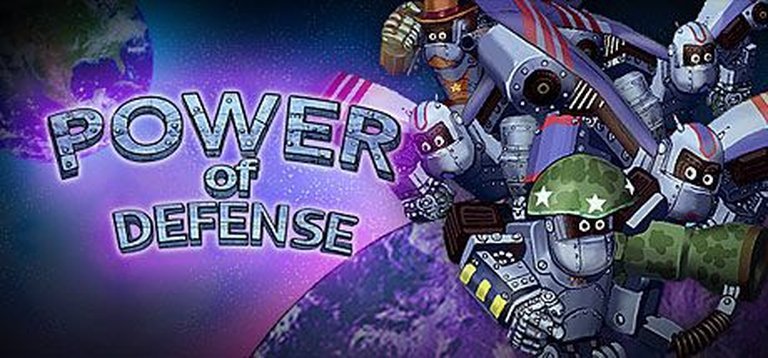
Power of Defense is a sci-fi tower defense strategy game released in 2010 where players defend Earth from invading oil-smelling robots emerging from a parallel universe platform. As humanity’s last hero, you strategically deploy and upgrade 13 unique robots across three arenas with replayable levels, combining units for tactical advantages while battling in both single-player campaigns and multiplayer modes featuring double bridges, traps, and bonus challenges.
Where to Buy Power of Defense
Power of Defense Patches & Updates
Power of Defense Guides & Walkthroughs
Power of Defense Reviews & Reception
metacritic.com (68/100): A solid PC game. It is a mix of strategy and tower defense, but there is not enough variety to keep the gamer playing for hours.
indiegamereviewer.com (50/100): If you like the passive nature of tower defense games, you might enjoy Power of Defense. There may be a lot of options, but they tend to be a waste of time compared to a cheap bulk offensive, so if you’re looking for deep strategy, this game isn’t it.
steambase.io (24/100): Power Of Defense has earned a Player Score of 24 / 100. This score is calculated from 42 total reviews on Steam — giving it a rating of Mostly Negative.
Power of Defense: Review
In the pantheon of tower defense games, Power of Defense stands as a curious artifact from the early 2010s, a time when the genre was exploding with creativity and innovation. Released on August 4, 2010, by the German studio 4sdk GbR, Power of Defense aimed to blend strategy and defense mechanics in a unique sci-fi setting. This review will delve into the game’s development history, narrative, gameplay mechanics, world-building, reception, and legacy, providing an exhaustive analysis of its place in video game history.
Development History & Context
The Studio and Creators’ Vision
4sdk GbR, the studio behind Power of Defense, was a small independent developer based in Germany. The game was conceptualized by Artur Susdorf and Radik Yusupov, who also handled the development. Alexander Khomyak was responsible for the design and artwork, while the sounds and music were sourced from various online platforms. The studio’s vision was to create a game that combined the strategic depth of real-time strategy games with the accessibility of tower defense titles, all wrapped in a sci-fi narrative.
Technological Constraints and Gaming Landscape
Power of Defense was developed using the Unity3D engine, which was gaining traction in the indie game development community for its flexibility and ease of use. The game was released during a time when tower defense games were becoming increasingly popular, with titles like Plants vs. Zombies and Orcs Must Die! capturing the imagination of gamers worldwide. The gaming landscape was ripe for innovation, and 4sdk aimed to carve out a niche with their unique blend of genres.
Narrative & Thematic Deep Dive
Plot and Characters
The narrative of Power of Defense is set in a sci-fi universe where parallel worlds collide. The player takes on the role of the last hero on Earth, tasked with defending the human world from invading oil-smelling robots that emerge from a portal between parallel universes. The story is told through a series of cutscenes and in-game dialogue, which, while not groundbreaking, serves to set the stage for the gameplay mechanics.
The characters in Power of Defense are largely archetypal, with the player character serving as a silent protagonist. The robots, while visually distinctive, lack depth and personality, serving primarily as obstacles to be overcome. The dialogue, while functional, is often stilted and filled with grammatical errors, detracting from the overall immersion.
Themes
The primary themes of Power of Defense revolve around defense and strategy. The game emphasizes the importance of planning and resource management, as players must carefully choose which robots to upgrade and when to deploy them. The sci-fi setting adds a layer of futuristic flair, but the themes are largely grounded in traditional strategy gameplay.
Gameplay Mechanics & Systems
Core Gameplay Loops
Power of Defense combines elements of tower defense and real-time strategy games. Players must manage a production line that generates robots, which can then be upgraded and sent into battle. The game features three different arenas, each with its own unique challenges and enemy types. The core gameplay loop involves building up a stockpile of robots, upgrading them, and deploying them strategically to defeat the enemy.
Combat and Character Progression
Combat in Power of Defense is turn-based, with robots battling it out on a conveyor belt. Players can upgrade their robots with various weapons and abilities, adding a layer of strategy to the combat. The game features 13 individual robots, each with its own strengths and weaknesses, encouraging players to experiment with different combinations.
Character progression is handled through upgrades, with players earning points to enhance their robots’ abilities. This system adds depth to the gameplay, as players must decide which upgrades to prioritize based on the current level and enemy types.
User Interface
The user interface in Power of Defense is functional but lacks polish. The menus are straightforward, but the visual design is dated, reflecting the technological constraints of the time. The game’s reliance on text-based dialogue and cutscenes can be cumbersome, breaking the flow of gameplay.
Innovative or Flawed Systems
One of the innovative aspects of Power of Defense is its use of a conveyor belt system for combat. This mechanic adds a unique twist to the tower defense genre, requiring players to think strategically about when and where to deploy their robots. However, the game’s reliance on repetitive gameplay loops and lack of variety in enemy types can make it feel formulaic.
World-Building, Art & Sound
Setting and Atmosphere
The setting of Power of Defense is a sci-fi universe where parallel worlds collide. The game’s visual direction is heavily influenced by the limitations of the Unity3D engine, resulting in a somewhat dated aesthetic. The art style is functional but lacks the polish of more modern titles. The atmosphere is largely conveyed through the game’s soundtrack and sound effects, which are serviceable but unremarkable.
Visual Direction
The visual direction of Power of Defense is characterized by its use of 3D pre-rendered graphics. The robots and level design are relatively crude but effective, conveying the game’s sci-fi setting. The character models, however, are notably lacking in detail, detracting from the overall visual experience.
Sound Design
The sound design in Power of Defense is functional but uninspired. The soundtrack features a mix of electronic and ambient music, which fits the game’s sci-fi setting but lacks memorability. The sound effects are similarly serviceable, with the robotic sounds and combat noises effectively conveying the game’s mechanical themes.
Reception & Legacy
Critical and Commercial Reception
Power of Defense received mixed reviews upon its release. Critics praised the game’s unique blend of strategy and tower defense mechanics but noted its lack of depth and repetitive gameplay. The game’s visual and audio design were also criticized for their dated aesthetic. Commercially, Power of Defense struggled to find an audience, with its Steam reviews being mostly negative.
Evolution of Reputation
Over time, Power of Defense has largely been forgotten, overshadowed by more successful titles in the tower defense genre. Its reputation has not significantly evolved, with most discussions of the game focusing on its flaws rather than its innovations.
Influence on Subsequent Games and the Industry
While Power of Defense did not have a significant impact on the industry, it did contribute to the growing trend of blending genres in tower defense games. Its use of a conveyor belt system for combat was a unique innovation, even if it was not widely adopted by other developers. The game’s legacy lies more in its historical context than in its lasting influence.
Conclusion
Power of Defense is a curious artifact from the early days of the tower defense genre, blending strategy and defense mechanics in a unique sci-fi setting. While the game’s narrative and visual design are lacking, its innovative combat system and strategic depth make it a noteworthy entry in the genre’s history. Despite its flaws, Power of Defense stands as a testament to the creativity and experimentation of indie developers in the early 2010s. Its place in video game history is secure, if not particularly celebrated, serving as a reminder of the genre’s diverse and often overlooked titles.