
- Release Year: 2024
- Platforms: Windows
- Publisher: Turtle game
- Developer: Turtle game
- Genre: Simulation, Strategy, Tactics
- Perspective: Diagonal-down
- Game Mode: Single-player
- Gameplay: Point and select, Real-time
- Setting: Fantasy
- Average Score: 86/100
Description
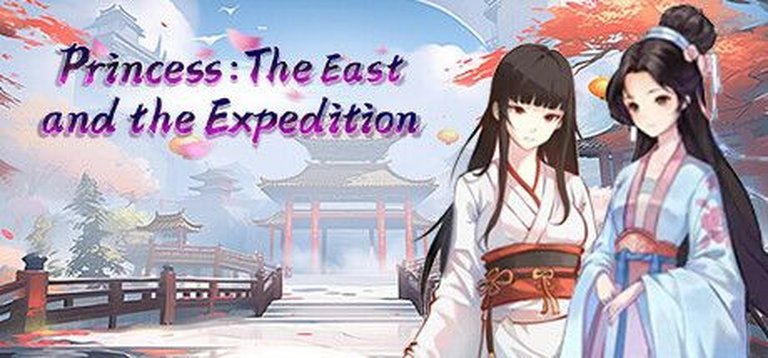
Princess: The East and the Expedition is a fantasy-themed real-time strategy game blending roguelike mechanics and narrative-driven gameplay. Players take on the role of an imperial expedition general tasked with expanding territories across mysterious lands while uncovering hidden conspiracies. The game features hand-drawn visuals, diverse female companions to recruit, and strategic battles within an isometric perspective. Set in a richly imagined Eastern-inspired world, it emphasizes tactical decision-making and dynamic interactions with characters during expeditions.
Where to Buy Princess: The East and the Expedition
PC
Princess: The East and the Expedition Reviews & Reception
steambase.io (86/100): Very Positive
Princess: The East and the Expedition: Review
An Ambitious Yet Flawed Fusion of Eastern Fantasy and Roguelike Strategy
Introduction
In the saturated landscape of indie strategy RPGs, Princess: The East and the Expedition (2024) arrives as a curious anomaly: a hand-drawn, roguelike-infused real-time strategy game that marries territorial conquest with otome-style character bonding. Developed by the obscure Chinese studio Turtle game, this Steam Early Access title wears its niche ambitions proudly, blending “Pretty girl + Roguelike + real-time strategy” into a package that oscillates between experimental charm and developmental growing pains. While its lush art and narrative ambition signal promise, the game’s execution reveals the struggles of a small team navigating complex genre hybridization.
Development History & Context
The Underdog Vision of Turtle Game
Turtle game operates as a micro-studio with a track record of Eastern-themed visual novels (Ancient Elegance, Romantic Emperor). For Princess: The East and the Expedition, they pivoted toward grander scope, abandoning AI-generated assets for full hand-drawn artwork—a decision directly responsive to player critiques of their prior titles. As stated in their Steam communiqués, “We set up a more professional game team, abandoned AI and used pure hand-drawn painting […] to bring […] the feeling of being in the scene.” This shift reflects both ethical conscientiousness and a bid for artistic legitimacy in a market increasingly skeptical of AI dependency.
Technological and Market Landscape
Built on Unity, the game leverages isometric perspective and real-time mechanics—a notable departure from Turtle game’s traditionally static VN roots. Released into Early Access on July 19, 2024, it entered a field dominated by polished roguelikes (Hades, Dead Cells) and anime-infused strategy hybrids (Sakura Wars). Priced ambitiously at $3.99 (frequently discounted to $1.99), its business model ties player support to charity: “For every game purchased […] we will contribute […] to public welfare,” a rarity in indie commerce that underscores the studio’s community-driven ethos.
Narrative & Thematic Deep Dive
A Saga of Conquest and Courtship
Players embody an imperial general leading expeditions across mythic Oriental realms, tasked with “expand[ing] your territory in unknown countries and uncover[ing] the conspiracies hidden in the dark depths.” The narrative framework channels Romance of the Three Kingdoms-esque political intrigue, filtered through a romantic lens: interactions with “different styles of beautiful girls”—from cunning diplomats to warrior priestesses—unlock alliances and narrative branches.
Themes: Cultural Syncretism vs. Power Fantasy
The game’s strongest thematic tension lies in its treatment of “cultural features of different countries.” Expedition choices frame colonialism as either diplomatic synthesis (friendship-as-conquest) or brute-force domination. Yet this nuance clashes with its commodified portrayal of female NPCs, whose agency often feels reduced to romantic subplots. While dialogue trees suggest aspirations toward Fire Emblem-scale character depth, writing frequently lapses into archetypal tropes (“mysterious big sister,” “stoic sword maiden”), undermining its potential as a meaningful exploration of cross-cultural exchange.
Gameplay Mechanics & Systems
Roguelike Strategy: Ambition vs. Execution
At its core, Princess merges roguelike progression with real-time territorial skirmishes. Each run tasks players with securing resources, managing hero units (the titular “pretty girls”), and adapting to procedurally generated obstacles. Combat blends light/heavy attack combos (simplified in May 2024 updates to 2 light + 3 heavy attacks) with squad-based tactics.
Innovative Systems:
– Dynamic Relationship Engine: NPC loyalty affects battle efficiency; betrayals trigger narrative consequences.
– Hybrid Progression: Unlockable skills persist across runs, but territories reset—a smart compromise between roguelike punishment and strategic persistence.
Flaws:
– UI Clunkiness: Early versions buried skill-swapping behind nested menus, later patched with快捷键 (hotkeys).
– Unclear Progression: Player reviews cite frustration with “unlock stages for heroines,” where opaque conditions block character arcs.
– Repetitive Loops: Despite roguelike randomization, mission types (escort, siege) lack tactical variety, leading to mid-game stagnation.
World-Building, Art & Sound
Hand-Drawn Splendor
The game’s standout achievement is its visual design. Turtle game’s rejection of AI manifests in lush, painterly backdrops—floating pagodas draped in cherry blossoms, war-trench landscapes evoking Princess Mononoke’s clash of nature and industry. Character sprites brim with personality, particularly in “Q版” (chibi) battle animations. The isometric perspective enhances tactical clarity, though environmental interactivity remains limited.
Sound Design: A Missed Opportunity
No sourced material details the audio landscape, but Steam player critiques allude to “repetitive battle tracks” and absent voice acting—a stark contrast to the visual opulence. Ambience (wind through bamboo forests, bustling market SFX) appears underutilized, diminishing immersion.
Reception & Legacy
Early Access Growing Pains
Launching with “Very Positive” Steam reviews (86% approval from 170 reviews), the game resonated with niche audiences praising its “hand-drawn aesthetic” and “ambitious narrative scope.” However, recurring complaints highlight Early Access pains:
– Patch distribution issues (“非玩家又没QQ、給個連接下載那麼難嗎?” laments a non-Chinese player).
– Technical bugs (broken achievements, progression blockers).
– Underdeveloped NSFW elements (“通关了啥CG都没有”).
Turtle game’s responsiveness—overhauling combat, adding UI shortcuts—demonstrates commendable agility, though communication lapses (“Radio silent for several months”) risk alienating players.
Industry Impact
While too nascent for legacy status, Princess reflects broader trends:
1. Indie Cultural Hybridization: It joins Black Myth: Wukong in globalizing Chinese mythologies via accessible genres.
2. Ethical Production Narratives: Its anti-AI stance and charity pledges may influence indie marketing strategies.
3. Early Access as Co-Creation: Player feedback directly reshaped systems, exemplifying community-driven development.
Conclusion
Princess: The East and the Expedition is a fascinating contradiction: a game of palpable heart and jarring imperfections. Its art direction sets a benchmark for indie hand-drawn projects, and its fusion of romance and strategy suggests untapped narrative potential. Yet hindered by uneven execution, localization gaps, and the inherent chaos of Early Access, it stumbles as often as it soars.
In the pantheon of 2024’s indie experiments, Turtle game’s opus may not revolutionize the genre, but it exemplifies a path forward for studios prioritizing artistic integrity over scale. For patient players invested in its world, Princess offers glimpses of brilliance—if one can forgive its unfinished edges. Its ultimate legacy may lie not in perfection, but in proving that even small teams can dream ambitiously.
Final Verdict:
A 7/10 experience for strategy enthusiasts and Eastern fantasy adherents; a heartfelt work-in-progress with sparks of greatness.