
- Release Year: 2016
- Platforms: Linux, Macintosh, Windows
- Publisher: tinyBuild LLC
- Genre: Special edition
- Game Mode: Single-player
- Average Score: 70/100
Description
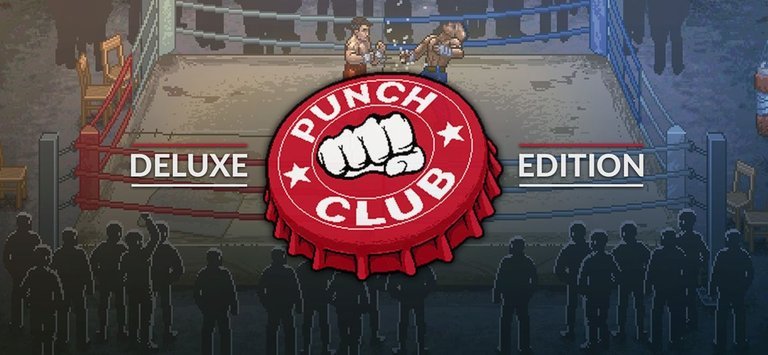
Punch Club (Deluxe Edition) is a sporting management simulation where players control an aspiring boxer navigating a gritty urban world, training at a local gym, working odd jobs, and managing daily needs like hunger, energy, and happiness to build strength, agility, and stamina for intense boxing matches, all while investigating the mystery of their father’s murder in a humorous nod to 1980s action films; this edition includes the base game, original soundtrack, and digital art book.
Where to Buy Punch Club (Deluxe Edition)
PC
Punch Club (Deluxe Edition) Cracks & Fixes
Punch Club (Deluxe Edition) Guides & Walkthroughs
Punch Club (Deluxe Edition) Reviews & Reception
metacritic.com (73/100): Mixed or Average
ign.com : A strong, smart RPG that takes the fall in later rounds.
pcgameexaminer.com : Punch Club deserves a fighting chance.
opencritic.com (67/100): deceptively deep, with a rewarding life simulation and RPG systems.
thevideogamebacklog.com : Holy cow Punch Club is addicting.
Punch Club (Deluxe Edition) Cheats & Codes
PC
| Code | Effect |
|---|---|
| Ctrl+shift+L | Free Money! |
Punch Club (Deluxe Edition): Review
Introduction
Imagine channeling the gritty underdog spirit of Rocky, the chaotic brawls of Fight Club, and the pixelated nostalgia of NES-era fighters into a single-player management sim where every chicken nugget eaten, every jackhammer shift worked, and every skipped date chips away at your shot at glory—or vengeance. Punch Club (Deluxe Edition), released in 2016 by tinyBuild, isn’t just a boxing game; it’s a time-management odyssey through the life of an aspiring fighter haunted by his father’s murder. Bundling the base game with its original soundtrack and a digital art book, this edition elevates a cult indie hit into a complete retro package. As a game historian, I’ve seen countless sims mimic life’s grind, but Punch Club masterfully parodies 80s/90s action flicks while delivering punishing realism. My thesis: This Deluxe Edition cements Punch Club as a flawed yet brilliant love letter to VHS-era heroism, blending addictive progression with thematic depth, though its relentless grind tests even the most dedicated trainer.
Development History & Context
Developed by the tiny Russian trio at Lazy Bear Games—led by Nikita Kulaga (lead designer and screenwriter) and Sviatoslav Cherkasov (lead programmer)—Punch Club began life in 2014 as VHS Story (Video Hero Super Story), a deliberate homage to the grainy VHS tapes of Rocky, Bloodsport, Arnold Schwarzenegger flicks, and Teenage Mutant Ninja Turtles cartoons that shaped the developers’ youth. Around 30 years old during development, the team fused their love for strategy games with nostalgic action tropes, envisioning a “Street Fighter manager” built in Unity for cross-platform potential. Constraints were tight: a three-person operation meant pixel art efficiency and automated combat to avoid real-time fighting mechanics, aligning perfectly with tycoon-style management.
The 2015 gaming landscape was ripe for indies—Steam Greenlight was exploding, but oversaturation loomed. Punch Club rocketed through Greenlight in just five days, one of Steam’s fastest approvals, signaling hype. At E3 2015, tinyBuild (known for quirky pubs like Party Hard) signed on, rebranding it Punch Club and orchestrating a genius pre-launch stunt: “Twitch Plays Punch Club,” a Twitch Plays Pokémon-style stream where viewers’ chaotic inputs beat the game in 36 hours, unlocking the January 8, 2016, PC/Mac/Linux release (mobile followed days later). Ports to 3DS (2017), consoles (PS4/Xbox One 2017, Switch 2018), and a free “Dark Fist” DLC (superhero parody expansion) extended its life. By February 2016, it sold 250,000+ copies ($2M revenue), despite 1.6M piracies and G2A key-reselling drama. This scrappy origin story mirrors the game’s theme: underdogs punching above their weight in a crowded ring.
Narrative & Thematic Deep Dive
Punch Club‘s plot kicks off with a childhood trauma: your unnamed boxer witnesses the “Man in Black” (trench coat, red eye) gun down his father over a mystical medallion in a rainy alley. Adopted by cop Frank (a disembodied voice), you stumble into training under grizzled mentor Mick (Rocky expy) after a street mugging. The narrative branches into pro boxing legitimacy or shady underground circuits, culminating in the Man in Black’s island tournament. Choices diverge wildly: champ the Rookie/Professional Leagues (injury sends proxy Roy Jackson to die against Russian brute Ivangief), or ally with mafia Don (prison stint via botched black-market deal). Mick’s friend reveals the medallion’s curse—split halves doomed one son to insanity, sparking apocalypse.
The Gainax-style ending twists: the Man in Black is your future father, time-traveling to kill his past self and shatter the medallion, averting a timeline where you (or brother) corrupt via its power, slay kin, and raze the city. Four guardians (father, Mick?, pizza guy Casey, prisoner) barely triumph. Dialogue drips sarcasm—”Train hard, eat chicken”—packed with expys: Adrian (Rocky love interest), Tyler (Fight Club), Din Kong (Don King), Sub-Zero ninja, mutant alligators (TMNT). Themes probe underdog sacrifice: balance training, jobs, romance, or succumb to crime/potions. Optional quests (dungeon Fluffy the cat as supervillain in DLC) add replayability, with multiple endings critiquing macho myths—fame erodes humanity, power corrupts. It’s no literary epic, but its absurd, reference-laden prose nails 80s cheese while subverting revenge tropes.
Key Characters:
– Mick: Wise-cracking Yoda/Mickey Goldmill, unlocks paths.
– Silver: Gym owner, gambler who pawned the medallion.
– Roy Jackson: Loyal bro, tragic casualty.
– Don: Marlon Brando-esque mobster, shady alternative.
– Man in Black/Red Eye: Paradoxical patricide redeemer.
Themes elevate it: life’s grind mirrors boxing—stats decay like motivation, forcing moral trade-offs.
Gameplay Mechanics & Systems
Core loop: 24/7 life sim where time ticks per action (travel, train, eat). Juggle primary stats (Strength: power; Agility: accuracy/dodge; Stamina: endurance/HP) via gym/home exercises, jobs (jackhammer/pizza delivery), fights. Secondary meters (hunger, energy, motivation/happiness) gate activities—starve, flop training. Daily stat decay (mitigated by perks) demands maintenance, creating Early Game Hell: scrounge cash, dodge muggings ($150+ invites random fights).
Combat: Innovative auto-battler. Pre-round, equip 3-5 slots from skill trees (unlocked via General → Way of Tiger/Bear/Turtle). Punches/kicks drain stamina/HP; blocks/dodges/counter. Swap mid-fight based on scouting foe loadouts. RNG draws moves, but stats dictate efficacy—low Agility whiffs eternally. Fights cap 20 rounds; win advances leagues (Rookie → Pro/Underground → Island).
Progression: GPP (fight points) buys perks/traits. Home gym upgrades cut travel/grind. Potions (post-losses) boost temporarily. UI: Clean pixel map, radial menus, stat trackers—intuitive but grind exposes flaws (repetitive loops, no Easy mode pre-patches).
Innovations/Flaws:
| Aspect | Strength | Flaw |
|---|---|---|
| Skill Trees | Deep builds (Bear: Mighty Glacier; Tiger: Fragile Speedster; Turtle: Magikarp Power tank) | Tiered costs force specialization; dump stats cripple. |
| Time Mgmt | Realistic balance (work vs. train vs. date) | Decay + RNG losses = hours grinding. |
| Fights | Strategic prep like CCGs; watchable animations. | No direct control; frustration from “perfect” builds failing. |
| Quests | Branching (crime/pro); optional (gym run). | Unwinnable states (no food/money pre-bar). |
Hardcore Mode scales foes; patches fixed decay complaints. Addictive yet punishing—20+ hours per path.
World-Building, Art & Sound
A compact city map (home, Silver’s Gym, Apu’s store, bar, pizza joint) evokes 80s urban grit: posters for Stoney (Rocky), Sportsport (Bloodsport), sewer mutants. Atmosphere: Nostalgic VHS haze, day-night cycles, random events (muggers, alligators). Pixel art shines—expressive sprites (sweaty training montages), fluid fights. Sound: Chiptune bops (Vincent Beers/Da Vince), punchy SFX, VHS-rewind menus. OST (Deluxe bonus) captures Rocky anthems; art book reveals dev sketches. Elements immerse: TV tapes boost motivation (movie refs), cat Fluffy’s DLC arc adds whimsy. Pixel homage + references (Hulk Hogan as Kulk Kogan) builds a lived-in parody world, heightening grind’s catharsis.
Reception & Legacy
Launch Metacritic: PC 73/100 (“Mixed/Average”), Xbox One 76, Switch 62—praised novelty (Hardcore Gamer 90/100: “retro wonder”), critiqued grind/RNG (IGN 6.5/10: “tedious later rounds”). MobyGames: 7.1/10 critics, players 3.3/5. Sales soared (300k legit vs. 1.6M pirated), fueling “Dark Fist” DLC (Twitch bets, cross-save). Ports succeeded modestly; G2A scandal highlighted key-resale woes.
Reputation evolved: Cult fave for management fans, sequel Punch Club 2: Fast Forward (2023) cyberpunk’d it (Good Corp dystopia, Fluffy Big Bad). Influence: Pioneered auto-combat sims (Cue Club kin), nostalgia pixel management (Tennis Club Story). No industry shaker, but inspired underdog indies; TV Tropes catalogs its parody density. Legacy: Niche gem preserving VHS soul amid AAA dominance.
Conclusion
Punch Club (Deluxe Edition) masterfully simmers 80s nostalgia into a brutal life-boxing hybrid: addictive stat-juggling, branching revenge saga, and reference-packed charm outweigh grindy flaws and RNG whims. Lazy Bear’s vision endures as a testament to indie grit—sales proved demand, sequels its staying power. In gaming history, it punches a niche for thoughtful management sims parodying machismo. Verdict: 8/10—Essential for retro sim lovers; a knockout for patient underdogs, but skip if grind repels. Train hard; the ring awaits.