
- Release Year: 2015
- Platforms: Android, iPad, iPhone, Linux, Macintosh, Windows
- Publisher: Artifex Mundi sp. z o.o., S.A.D. Software Vertriebs- und Produktions GmbH
- Developer: Brave Giant Ltd
- Genre: Adventure
- Perspective: 1st-person
- Game Mode: Single-player
- Gameplay: Hidden object, Puzzle elements
- Average Score: 58/100
Description
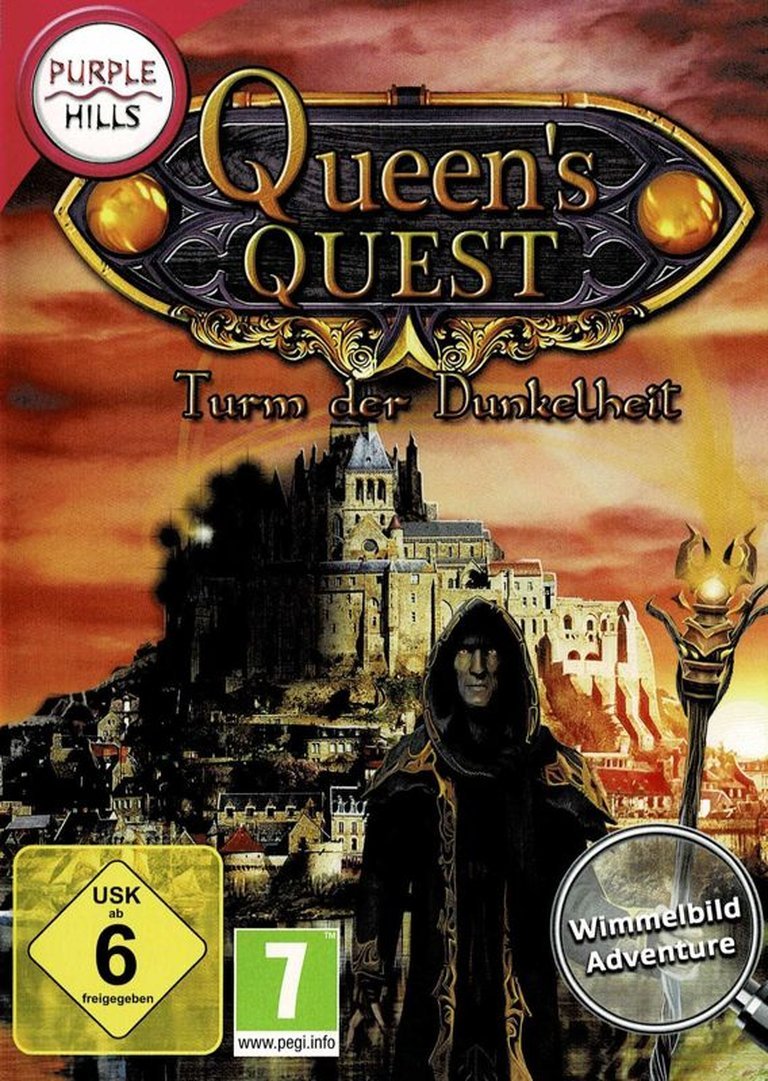
In ‘Queen’s Quest: Tower of Darkness’, players assume the role of a young queen on a perilous mission to rescue her family from an evil sorcerer who has cast a dark curse upon them. This hidden object adventure blends hand-drawn fantasy environments with puzzle-solving challenges and mini-games across 27 locations. The journey involves unraveling mysteries, gathering magical artifacts, and navigating through 34 intricately designed scenes set against a dark fairy-tale backdrop filled with enchanting visuals and atmospheric storytelling.
Gameplay Videos
Where to Buy Queen’s Quest: Tower of Darkness
PC
Queen’s Quest: Tower of Darkness Cracks & Fixes
Queen’s Quest: Tower of Darkness Guides & Walkthroughs
Queen’s Quest: Tower of Darkness Reviews & Reception
gametop.com (75/100): A charming and magical hidden object adventure that offers an enjoyable experience for fans of fairy-tale settings and light puzzles.
mobygames.com (42/100): Average score: 2.1 out of 5
Queen’s Quest: Tower of Darkness: Review
Introduction
In the pantheon of hidden object games, few titles stand out as vividly as Queen’s Quest: Tower of Darkness. Released in 2015 by Brave Giant Ltd and published by Artifex Mundi, this game is a testament to the enduring appeal of fairy-tale narratives and puzzle-solving mechanics. Queen’s Quest: Tower of Darkness transports players into a world of magic, mystery, and intrigue, where the fate of a royal family hangs in the balance. This review will delve into the game’s development history, narrative depth, gameplay mechanics, world-building, and its enduring legacy in the gaming community.
Development History & Context
The Studio
Brave Giant Ltd, the developer behind Queen’s Quest: Tower of Darkness, is a studio known for its commitment to creating immersive and engaging hidden object games. The studio’s vision was to blend the enchanting elements of classic fairy tales with modern puzzle-solving mechanics, creating a game that would appeal to both casual and hardcore gamers. The technological constraints of the era, while challenging, were overcome with innovative design choices and a focus on high-quality visuals and sound design.
The Creators’ Vision
The creators of Queen’s Quest: Tower of Darkness aimed to craft a game that would captivate players with its rich narrative and challenging puzzles. Inspired by the Grimm Brothers’ fairy tales, the game’s story revolves around a young queen who must embark on a perilous journey to save her family from a demonic sorcerer. The game’s developers sought to create a world that was both visually stunning and deeply immersive, with a focus on intricate puzzles and hidden object scenes that would keep players engaged for hours.
The Gaming Landscape
In 2015, the gaming landscape was dominated by a variety of genres, but hidden object games had carved out a niche for themselves. Games like Mystery Case Files and Hidden Expedition had set the standard for the genre, and Queen’s Quest: Tower of Darkness aimed to build upon this foundation. The game’s release coincided with a surge in popularity for mobile gaming, and its availability on multiple platforms, including Windows, Linux, Macintosh, Android, and iOS, ensured that it reached a wide audience.
Narrative & Thematic Deep Dive
Plot
The story of Queen’s Quest: Tower of Darkness begins in a faraway realm where a young queen and her husband live in idyllic bliss. Their peaceful life is shattered when a demonic sorcerer arrives at their palace to kidnap their newborn daughter. Magnus, the godfather, saves the queen with his magic, but Prince Henrik is turned into stone. The queen must then embark on a long journey through picturesque lands to solve numerous puzzles, meet intriguing characters, and discover the truth about a terrible curse that has befallen her family.
Characters
The game features a cast of well-developed characters, each with their own unique personalities and backstories. The young queen, the protagonist, is a strong and determined woman who will stop at nothing to save her family. Magnus, the godfather, is a wise and powerful sorcerer who provides guidance and support throughout the journey. Prince Henrik, though turned into stone, plays a crucial role in the narrative, and his past actions have significant consequences.
Dialogue
The dialogue in Queen’s Quest: Tower of Darkness is well-written and adds depth to the characters and the story. The conversations are engaging and often reveal important plot points, making the narrative more immersive. The voice acting is of high quality, with each character’s voice perfectly matching their personality.
Themes
The game explores several themes, including family, sacrifice, and the struggle between good and evil. The young queen’s journey is a testament to her love for her family and her willingness to make sacrifices to protect them. The demonic sorcerer represents the forces of evil, and the queen’s quest to defeat him is a battle for the soul of her family and her kingdom.
Gameplay Mechanics & Systems
Core Gameplay Loops
The core gameplay of Queen’s Quest: Tower of Darkness revolves around hidden object scenes and puzzles. Players must explore various locations, gather key items, and solve creative puzzles to progress through the story. The game features 34 hidden object scenes and 27 locations, each with its own unique challenges and secrets to uncover.
Combat
Unlike many adventure games, Queen’s Quest: Tower of Darkness does not feature traditional combat. Instead, the game relies on puzzle-solving and exploration to drive the narrative forward. This design choice allows players to focus on the story and the challenges presented by the puzzles, rather than engaging in combat.
Character Progression
Character progression in Queen’s Quest: Tower of Darkness is tied to the narrative. As the young queen progresses through her journey, she gains new abilities and knowledge that help her overcome the challenges she faces. The game also features 22 achievements that players can unlock, providing an additional layer of progression and reward.
UI
The user interface in Queen’s Quest: Tower of Darkness is intuitive and easy to navigate. The hidden object scenes are clearly marked, and the puzzles are presented in a way that is both challenging and accessible. The game’s menu system is straightforward, allowing players to easily access save files, settings, and other important information.
Innovative or Flawed Systems
One of the innovative aspects of Queen’s Quest: Tower of Darkness is its use of a hint system. Players can use hints to help them solve puzzles, but these hints come at a cost, adding a strategic element to the gameplay. However, some players may find the puzzles to be too challenging, leading to frustration. The game’s difficulty can be adjusted, but this may not be enough to satisfy all players.
World-Building, Art & Sound
Setting
The setting of Queen’s Quest: Tower of Darkness is a fantastical realm filled with magic, wonders, and otherworldly creatures. The game’s world is richly detailed, with each location offering a unique atmosphere and set of challenges. The game’s art style is detailed and enchanting, making each new location a delight to explore.
Atmosphere
The game’s atmosphere is dark and mysterious, reflecting the themes of the story. The use of lighting and color creates a sense of foreboding, while the sound design adds to the immersive experience. The game’s soundtrack is atmospheric, with each track complementing the magical setting and the narrative.
Visual Direction
The visual direction of Queen’s Quest: Tower of Darkness is one of its standout features. The game’s environments are beautifully rendered, with a focus on intricate details and vibrant colors. The character designs are equally impressive, with each character’s appearance reflecting their personality and role in the story.
Sound Design
The sound design in Queen’s Quest: Tower of Darkness is top-notch. The game’s soundtrack is composed of enchanting melodies that complement the magical setting and the narrative. The sound effects are realistic and immersive, adding to the overall experience. The voice acting is of high quality, with each character’s voice perfectly matching their personality.
Reception & Legacy
Critical and Commercial Reception
Upon its release, Queen’s Quest: Tower of Darkness received mixed reviews. Critics praised the game’s visuals and sound design, but some found the puzzles to be too challenging. The game’s narrative was also a point of contention, with some critics feeling that it lacked depth. Despite these criticisms, the game was a commercial success, selling well across multiple platforms.
Evolution of Reputation
Over the years, the reputation of Queen’s Quest: Tower of Darkness has evolved. While it may not be considered a classic of the genre, it is remembered fondly by many players for its engaging narrative and challenging puzzles. The game’s legacy can be seen in subsequent hidden object games, which have built upon its foundation and continued to innovate within the genre.
Influence on Subsequent Games
Queen’s Quest: Tower of Darkness has had a significant influence on the hidden object genre. Its use of a rich narrative, challenging puzzles, and high-quality visuals and sound design has set a standard for the genre. Subsequent games have built upon these elements, creating even more immersive and engaging experiences for players.
Conclusion
Queen’s Quest: Tower of Darkness is a hidden object game that stands out for its engaging narrative, challenging puzzles, and high-quality visuals and sound design. While it may not be perfect, it is a testament to the enduring appeal of fairy-tale narratives and puzzle-solving mechanics. The game’s legacy can be seen in subsequent hidden object games, which have continued to innovate within the genre. For fans of hidden object games and fairy-tale narratives, Queen’s Quest: Tower of Darkness is a must-play experience.