
- Release Year: 2014
- Platforms: Android, Windows
- Publisher: Active Gaming Media Co., Ltd., NEXT-SOFT+
- Developer: NEXT-SOFT+
- Genre: Role-playing (RPG), Strategy, Tactics
- Perspective: Diagonal-down
- Game Mode: Single-player
- Gameplay: Tactical RPG, Turn-based
- Setting: Fantasy
- Average Score: 60/100
Description
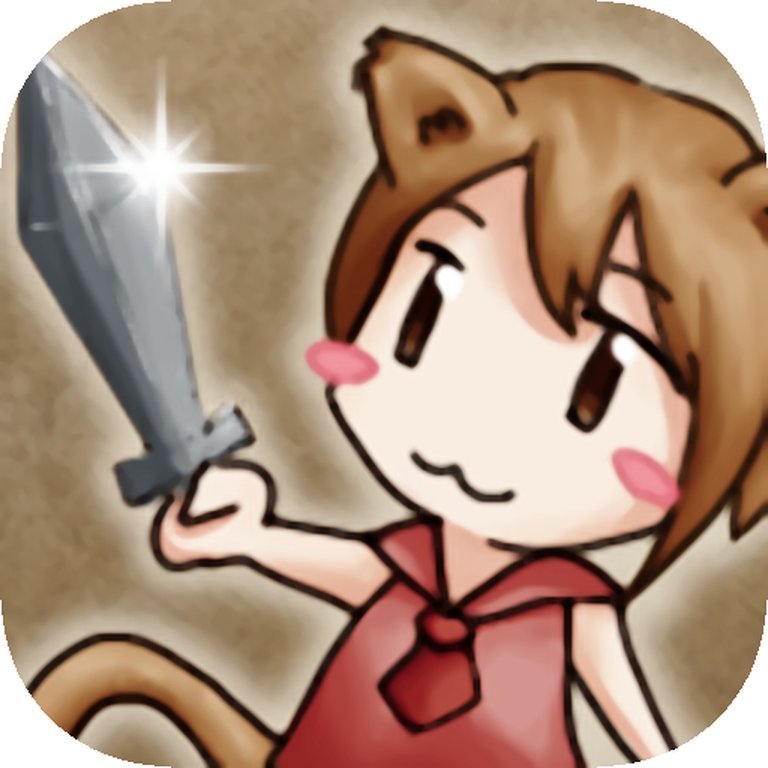
Rime Berta is a turn-based strategy RPG where players follow Livia, a young girl on a quest to save her village from a deadly disease by ascending a mysterious tower to retrieve a legendary artifact. The gameplay revolves around tactical battles using living dolls, each with unique classes like warriors, mages, and archers, which can level up and gain new abilities. The tower is divided into four floors, each with distinct battlefields and seasonal themes, where Livia must overcome guardians and their enchanted puppets to reach the top.
Where to Buy Rime Berta
PC
Rime Berta Cracks & Fixes
Rime Berta Guides & Walkthroughs
Rime Berta Reviews & Reception
metacritic.com (55/100): If you can’t help but staying for a few days without a game like Final Fantasy Tactics or Disgaea, Rime Berta could be fun (at times). Otherwise, don’t play this game.
steambase.io (65/100): Rime Berta has earned a Player Score of 65 / 100.
boardgamegeek.com (60/100): Average Rating: 6.00 / 10
archive.rpgamer.com : Rime Berta is an example of the Japanese indie PC scene, developed by Next-Soft and given a localization for English speakers by Playism.
Rime Berta: A Whimsical Yet Flawed Tactical RPG Gem
Introduction
In the vast landscape of tactical RPGs, Rime Berta stands as a curious artifact—a game that dares to blend the charm of anime aesthetics with the strategic depth of classics like Final Fantasy Tactics, yet stumbles in execution. Released in 2014 by NEXT-SOFT+ and published by AGM PLAYISM, Rime Berta follows the journey of Livia, a young girl ascending a mysterious tower to save her village from a deadly disease. The game’s premise is compelling, but its execution is a mixed bag of innovative mechanics and frustrating design choices. This review delves deep into Rime Berta’s development, narrative, gameplay, and legacy, offering a comprehensive analysis of its place in the tactical RPG genre.
Development History & Context
The Studio and Vision
NEXT-SOFT+ is a Japanese indie studio known for its niche, often experimental titles. Rime Berta was conceived as a love letter to classic tactical RPGs, particularly Final Fantasy Tactics, but with a simplified and more accessible approach. The game’s development was driven by a desire to create a tactical experience that retained the depth of its inspirations while streamlining mechanics for modern audiences.
Technological Constraints and Era
Released in 2014, Rime Berta arrived during a period when indie games were flourishing, thanks to platforms like Steam and mobile app stores. However, the game’s development was constrained by its modest budget and the limitations of its engine. The result is a title that feels both ambitious and rough around the edges, with a visual style that leans heavily into anime/manga aesthetics but lacks the polish of AAA contemporaries.
The Gaming Landscape
At the time of its release, the tactical RPG genre was experiencing a renaissance, with games like Fire Emblem: Awakening and XCOM: Enemy Unknown revitalizing interest in turn-based strategy. Rime Berta sought to carve out its own niche by focusing on a whimsical, puppet-themed narrative and a simplified tactical system. However, its lack of widespread marketing and critical acclaim meant it remained a cult favorite rather than a mainstream hit.
Narrative & Thematic Deep Dive
Plot Overview
Rime Berta follows Livia, a young girl from the village of Sandi, as she ascends a tower said to house the “Hallows of Wishes,” an artifact capable of granting any wish. Her goal is to cure her village of a mysterious disease. Along the way, she encounters sentient puppets, some of whom join her cause, while others stand as obstacles. The tower is divided into four floors, each representing a different season and guarded by a powerful entity.
Characters and Dialogue
The game’s cast is minimal but memorable. Livia is the protagonist, but the real stars are the puppets she commands. Each puppet class—warriors, mages, archers—has its own strengths and weaknesses, but they lack personality beyond their combat roles. The dialogue is sparse, and the story is told more through environmental cues and battle encounters than through traditional narrative beats.
Themes
Rime Berta explores themes of sacrifice, determination, and the consequences of unchecked ambition. The tower’s guardians, for instance, are revealed to have made wishes that backfired tragically. Ran, the third-floor guardian, wished to surpass her ancestors but instead erased her family from existence. These themes add depth to the otherwise straightforward plot, but they are often overshadowed by the game’s focus on combat.
Gameplay Mechanics & Systems
Core Gameplay Loop
Rime Berta is a turn-based tactical RPG where players control Livia and her puppet army. Battles take place on grid-based maps, with each unit capable of performing two actions per turn: movement and an attack or special ability. The game’s combat system is simplified compared to Final Fantasy Tactics, making it more accessible but less strategic.
Combat and Character Progression
- Action Points (AP): Each unit has a pool of AP that regenerates automatically. AP governs movement, attacks, and skill usage.
- Reaction Skills: Units can set reaction skills that trigger during the enemy’s turn, such as counterattacks or defensive buffs.
- Class System: Puppets can evolve into advanced classes, but the game’s lack of clear guidance on unlocking these classes is a major flaw.
- Fusion System: Players can fuse puppets to transfer stat bonuses, but the benefits are minimal and often not worth the effort.
UI and Controls
The game’s UI is functional but clunky, with a steep isometric perspective that can obscure units and terrain. The mouse-controlled interface feels unintuitive, and the lack of controller support is a notable omission.
World-Building, Art & Sound
Setting and Atmosphere
The tower’s four floors each represent a different season, creating a visually distinct and atmospheric journey. The game’s anime-inspired art style is charming, though the low-budget presentation limits its impact. The tower’s design is creative, but the repetitive battlefields can make progression feel monotonous.
Sound Design
The soundtrack is a standout feature, with a variety of tracks that enhance the game’s whimsical tone. However, the lack of voice acting (outside of Japanese audio) and the minimalist sound effects mean the audio experience is underwhelming overall.
Reception & Legacy
Critical and Commercial Reception
Rime Berta received mixed reviews upon release. Critics praised its charming aesthetic and innovative mechanics but criticized its clunky UI, lack of polish, and underdeveloped narrative. The game’s Steam reception is “Mixed,” with a 65/100 player score, reflecting its niche appeal.
Influence and Evolution
While Rime Berta did not achieve mainstream success, it has developed a cult following among tactical RPG enthusiasts. Its fusion of anime aesthetics and tactical gameplay has influenced smaller indie titles, though its legacy remains overshadowed by more polished contemporaries.
Conclusion
Rime Berta is a flawed but fascinating tactical RPG that offers a unique blend of charm and strategy. Its simplified mechanics and whimsical narrative make it accessible, but its clunky execution and lack of polish hold it back from greatness. For fans of the genre, it’s a worthwhile experience, but for casual players, its rough edges may prove too frustrating to overcome.
Final Verdict: A cult classic with potential, but not without its flaws. 6.5/10