
- Release Year: 2015
- Platforms: Linux, Macintosh, Windows Apps, Windows, Xbox 360, Xbox One
- Publisher: Feral Interactive Ltd., Microsoft Corporation, Square Enix Limited
- Developer: Crystal Dynamics, Inc.
- Genre: Action
- Perspective: Behind view
- Game Mode: Single-player
- Gameplay: Combat, Crafting, Day-night cycle, Exploration, Open World, Platform, Puzzle elements, Shooter, Stealth, Swimming
- Setting: 2010s, Siberian tundra, Syria
- Average Score: 86/100
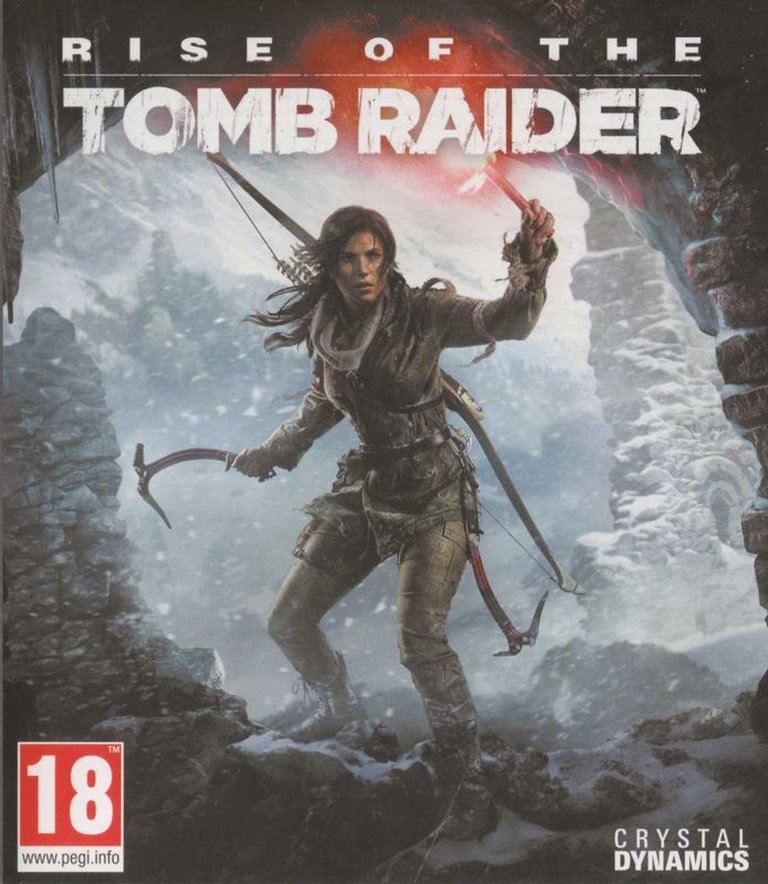
Description
Rise of the Tomb Raider is a sequel to the 2013 Tomb Raider reboot, following Lara Croft one year after her initial ordeal. Pursuing the truth behind her father’s discredited research, Lara ventures into the Siberian wilderness to locate the legendary city of Kitezh and uncover the Divine Source, a relic believed to grant immortality. Opposed by the shadowy organization Trinity, she navigates harsh environments, solves intricate puzzles, and battles enemies using a mix of stealth, combat, and survival skills. The game expands on its predecessor with open-world exploration, new mechanics like ice climbing and crafting, and optional tombs to discover, all while unraveling a story of ancient secrets and personal redemption.
Gameplay Videos
Where to Buy Rise of the Tomb Raider
Rise of the Tomb Raider Free Download
Rise of the Tomb Raider Cracks & Fixes
Rise of the Tomb Raider Patches & Updates
Rise of the Tomb Raider Mods
Rise of the Tomb Raider Guides & Walkthroughs
Rise of the Tomb Raider Reviews & Reception
metacritic.com (86/100): One of the best things I played all year.
ign.com : Rise of the Tomb Raider is the most fun I’ve had with a Lara Croft game since 1996. Its story is full of the right kind of danger and intrigue, its tombs are dastardly, and I was as struck by its huge, romantic environments as I was as a kid playing the original.
imdb.com : Is it as good? No, sadly not. But is it still a worthy entry for Lara? Absolutely.
opencritic.com (86/100): Rise of the Tomb Raider takes its predecessor’s winning formula & improves on it in every way.
pcgamer.com : Our Verdict: A little too streamlined in places, but Rise of the Tomb Raider does a lot to improve upon its predecessor.
Rise of the Tomb Raider: A Defining Expedition Through Snow, Myth, and Legacy
Introduction
Twenty years after Lara Croft’s debut, Rise of the Tomb Raider (2015) represents a watershed moment in the franchise’s reinvention. Developed by Crystal Dynamics and published by Square Enix and Microsoft Studios, this sequel to the 2013 Tomb Raider reboot melds visceral survival action with metroidvania exploration, refining its predecessor’s formula while confronting Lara’s psychological scars. At its core, Rise is a thesis on legacy—both Lara’s quest to vindicate her father’s discredited research on immortality and Crystal Dynamics’ ambition to redefine modern action-adventure storytelling. This review excavates every layer of the game, from its frostbitten Siberian tundras to its industry-shaping legacy.
Development History & Context
Born from the creative ashes of 2013’s reboot, Rise began development immediately after its predecessor shipped. Directed by Noah Hughes and Brian Horton, Crystal Dynamics sought to address player feedback: More tombs, fewer quick-time events (QTEs), and deeper character development. The studio partnered with Nixxes Software for the Xbox 360 port and Eidos-Montréal for technical support, leveraging the Foundation Engine to achieve dynamic global illumination and physics-based rendering—a leap for eighth-gen consoles.
The game’s announcement at E3 2014 as an Xbox timed exclusive ignited controversy. Critics and fans lambasted Square Enix for exclusivity deals, with Phil Spencer (Microsoft Studios) defending the partnership as a strategic counter to Sony’s Uncharted. Despite backlash, the move catalyzed optimization for Xbox hardware, though the PS4’s 20 Year Celebration edition later compensated with VR support and all DLC.
Set against 2015’s crowded release slate (Fallout 4, The Witcher 3), Rise faced commercial skepticism. Yet, Crystal Dynamics’ commitment to “ominous beauty”—informed by research trips to Turkish ruins and Yosemite—forged a visual identity distinct from the reboot’s claustrophobic island.
Narrative & Thematic Deep Dive
Rise positions Lara one year after Yamatai, haunted by PTSD and her father Richard’s suicide. Her pursuit of the Divine Source—a relic tied to the mythic city of Kitezh—collides with Trinity, a paramilitary cult weaponizing faith for control. The script, penned by Rhianna Pratchett, weaves a familial tragedy: Lara’s surrogate mother Ana reveals herself as a Trinity commander, exploiting her terminally ill brother Konstantin’s fanaticism.
Lara’s arc oscillates between vengeance and redemption. Flashbacks depict her fractured relationship with Richard, whose voice logs (“extraordinary is in what we do, not who we are”) echo her metamorphosis from survivor to icon. The Deathless Prophet Jacob—later revealed as Kitezh’s immortal guardian—mirrors Lara’s obsession, cautioning against power’s corrupting allure.
Themes of sacrifice and faith permeate: Konstantin’s zealotry (“God’s will”) contrasts Lara’s humanist pragmatism. In the climax, Lara destroys the Divine Source, rejecting immortality to preserve mortality’s sanctity—a rejection of her father’s fatal idealism.
DLC expansions deepen the lore:
– Baba Yaga: The Temple of the Witch explores hallucinogenic horror via Slavic folklore.
– Cold Darkness Awakened introduces viral zombies, critiquing biological warfare.
– Blood Ties (Croft Manor) and Lara’s Nightmare (zombie survival) reframe Lara’s inheritance trauma.
Gameplay Mechanics & Systems
Rise perfects the reboot’s loop: 70% curated story, 30% open-world exploration. Siberia’s hubs—Geothermal Valley, Soviet Installation—invite backtracking via unlocks like rope ascenders and grenade arrows, rewarding the “pathfinder” fantasy.
Core Innovations:
-
Survival Crafting:
- Health no longer regenerates, requiring crafted bandages.
- Resources (e.g., mushrooms, cloth) create incendiary bombs, poison arrows.
- Hunting evolves: Predators (bears, wolves) hunt Lara, necessitating stealth kills.
-
Combat & Stealth:
- Melee finishers (axe takedowns) diversify close-quarters combat.
- Metal Gear-esque stealth: Distractions (bottles), foliage hideouts, non-lethal knockouts.
- “Survival Instinct” highlights loot/enemies, though critics noted “Ubisoft-esque” HUD clutter.
-
Tombs & Puzzles:
- 9 challenge tombs (vs. reboot’s 7), each a physics-driven labyrinth (e.g., floodgate levers, pendulum traps).
- Rewards grant game-changing skills: Fire Arrows melt ice barriers; Rebreather enables underwater exploration.
-
Progression & Customization:
- Skill Trees: Hunter (stealth), Brawler (combat), Survivor (crafting).
- Language System: Translating Greek/Russian texts unlocks relic maps.
- Expeditions Mode: Replayable scenarios with modifier cards (e.g., “Big Head Mode”), though microtransactions drew ire.
World-Building, Art & Sound
Visual Direction:
Siberia’s duality—glacial peaks vs. geothermal springs—showcases Crystal Dynamics’ “kit-bashing” level design. Byzantine mosaics in Syrian tombs contrast Soviet brutalism, while Kitezh’s submerged architecture evokes BioShock’s Rapture. The day/night cycle impacts wildlife: Deer graze at dawn; wolves hunt nocturnally.
Technical Mastery:
- Xbox One X/PS4 Pro: 4K HDR, 30-60 FPS modes.
- PC: Scalable settings (hair physics, tessellation) for mid-to-high rigs.
Sound Design:
Composer Bobby Tahouri blends choral chants with gusli (Russian harp) melodies, amplifying Siberian desolation. Camilla Luddington’s vocal performance—raspy yet determined—earned a Game Awards nomination. Ambient details (crunching snow, echoing caves) ground players in Lara’s isolation.
Reception & Legacy
Critical Response:
Rise holds an 85/100 Metascore (PS4: 88/100), lauded for refined gameplay and scope:
– Game Informer: “Better in every way than the reboot.”
– IGN: “Lara’s newfound versatility makes combat a joy” but critiqued “rote villainy.”
– Eurogamer: “Bloated Ubi-logic” in collectibles.
Commercial Impact:
Initially overshadowed by Fallout 4, sales surged post-PS4 launch, reaching 11.8 million units by 2021. The Xbox exclusivity gamble dented brand trust but funded polish.
Awards & Influence:
- Writers Guild Award (Pratchett’s script).
- D.I.C.E. Awards: Outstanding Achievement in Character (Lara).
- Inspired Horizon Zero Dawn’s crafting and God of War (2018)’s semi-open hubs.
Conclusion
Rise of the Tomb Raider is a masterclass in sequel design—iterating boldly without forsaking identity. Its Siberian odyssey elevates Lara beyond “female Indiana Jones” into gaming’s most psychologically textured heroine, grappling with legacy’s weight. While its villains lack nuance and microtransactions jar, Rise’s art direction, systemic depth, and emotional resonance cement it as the pinnacle of the Survivor trilogy. Two decades after her debut, Lara Croft’s evolution here proves that tomb raiding isn’t about relics; it’s about the marks we leave uncovering them.
Final Verdict: A landmark action-adventure, colder in setting but warmer in soul than its predecessors. Essential for any gamer’s collection.
Sources Synthesized: MobyGames data, Wikipedia, Tomb Raider Wiki, critic reviews (GameSpot, IGN, Eurogamer), sales reports, and developer interviews.