
- Release Year: 2006
- Platforms: Android, iPad, iPhone, Nintendo DS, Nintendo Switch, Wii U, Wii, Windows
- Publisher: ak tronic Software & Services GmbH, DreamCatcher Interactive Inc., Koch Media GmbH, Noviy Disk
- Developer: Fusionsphere Systems Ltd.
- Genre: Adventure
- Perspective: 3rd-person
- Game Mode: Single-player
- Gameplay: Graphic adventure, Point and select, Puzzle elements
- Setting: City – Berlin, City – Moscow
- Average Score: 73/100
Description
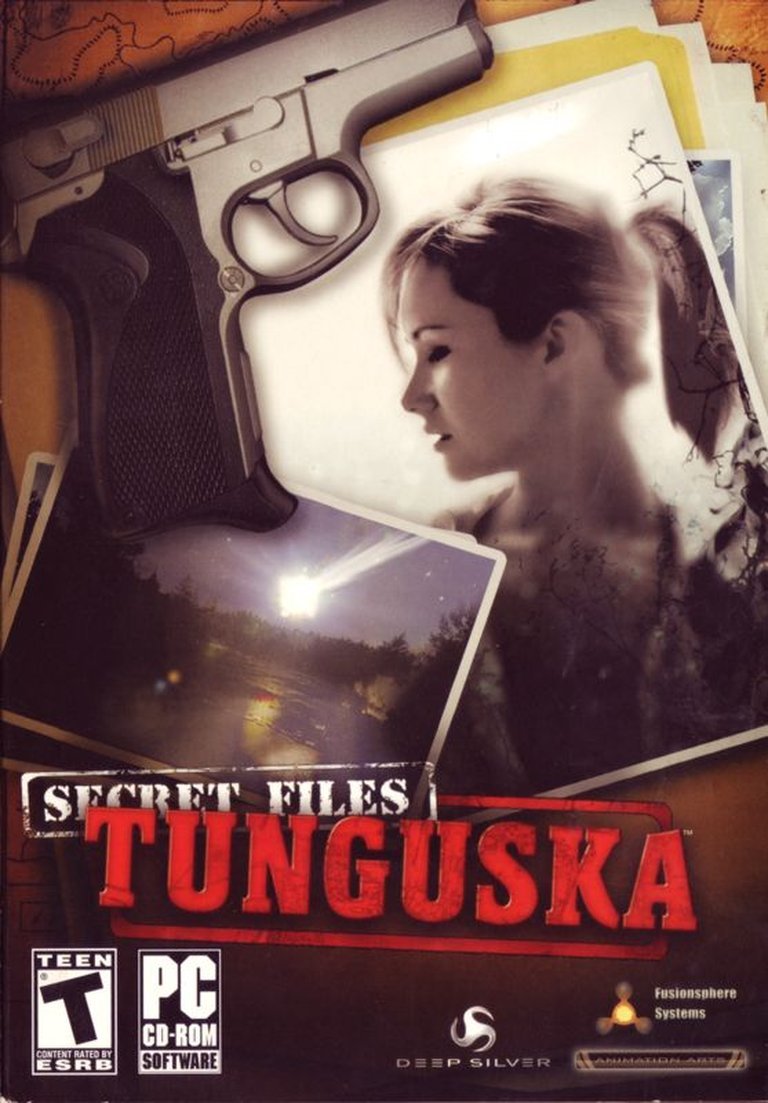
In Berlin, Germany, Nina Kalenkow discovers her father has vanished from the museum where he worked. Teaming up with her father’s colleague Max Gruber, she embarks on a global quest to unravel his disappearance, leading them into a conspiracy tied to the 1908 Tunguska explosion and shadowy organizations.
Gameplay Videos
Where to Buy Secret Files: Tunguska
PC
Secret Files: Tunguska Free Download
Secret Files: Tunguska Cracks & Fixes
Secret Files: Tunguska Patches & Updates
Secret Files: Tunguska Guides & Walkthroughs
Secret Files: Tunguska Reviews & Reception
ign.com : Though the story and characters aren’t the strongest around, the game manages to stay entertaining thanks to a convenient interface and some interesting puzzles.
gamewatcher.com : From the initial scene setup, I could tell that this was not ‘just another’ adventure game clambering for hard earned gamers’ cash.
Secret Files: Tunguska: A Comprehensive Review
Introduction
Secret Files: Tunguska, developed by Fusionsphere Systems and published by Deep Silver, is a point-and-click adventure game that stands as a testament to the enduring appeal of narrative-driven gaming. Released in 2006, the game draws inspiration from the enigmatic Tunguska event of 1908, a real-world mystery that has captivated historians and conspiracy theorists alike. This review aims to dissect the game’s development history, narrative depth, gameplay mechanics, and its lasting impact on the adventure genre.
Development History & Context
Fusionsphere Systems, a German studio, crafted Secret Files: Tunguska with a clear vision: to revive the classic point-and-click adventure game in an era dominated by 3D action titles. The game’s development was a response to the waning popularity of the genre, aiming to blend modern technology with the timeless appeal of puzzle-solving and storytelling.
The technological constraints of the mid-2000s necessitated a balance between cutting-edge graphics and playable performance. The game employs pre-rendered backgrounds with 3D character models, a technique that was popularized by titles like “Grim Fandango.” This approach allowed for detailed environments and fluid character animations, enhancing the immersive experience.
The gaming landscape at the time was shifting towards more action-oriented titles, with adventure games struggling to find a mainstream audience. Secret Files: Tunguska was a bold attempt to prove that narrative-driven games could still captivate players, leveraging the mystery of the Tunguska event to create a compelling backdrop for its story.
Narrative & Thematic Deep Dive
The game’s narrative revolves around Nina Kalenkov, a young Russian woman living in Berlin, whose father, Vladimir Kalenkov, mysteriously disappears from his museum office. Nina’s investigation leads her to uncover a conspiracy involving secret organizations, extraterrestrial artifacts, and a cover-up spanning decades.
The plot is a blend of science fiction and historical mystery, drawing parallels to real-world events and theories about the Tunguska explosion. The game’s themes explore the boundaries of human knowledge, the ethics of scientific discovery, and the consequences of unchecked power.
Characters like Max Gruber, Nina’s love interest and a colleague of her father, add depth to the story. Their dynamic evolves throughout the game, providing emotional stakes amidst the puzzle-solving and exploration. The dialogue, while occasionally clichéd, serves to advance the plot and develop the characters’ relationships.
Gameplay Mechanics & Systems
Secret Files: Tunguska employs a classic point-and-click interface, allowing players to interact with the environment and solve puzzles. The game features a “snoop key” tool that highlights interactive objects, aiding players in their exploration.
The inventory system is straightforward, with items combined logically to solve puzzles. The game also includes a journal that records important plot points and clues, ensuring players never feel lost.
One of the game’s standout features is the ability to switch between Nina and Max, each offering unique perspectives and abilities. This dual-protagonist approach adds variety to the gameplay and encourages players to think creatively.
The puzzles range from straightforward to challenging, with some requiring a keen eye for detail. The game’s linear structure ensures a steady progression, though some players might find the lack of branching paths limiting.
World-Building, Art & Sound
The game’s visual style is a blend of pre-rendered backgrounds and 3D character models, creating a visually appealing world. The environments are meticulously detailed, from the bustling streets of Berlin to the remote landscapes of Siberia.
The sound design complements the visuals, with ambient sounds enhancing the atmosphere. The voice acting is generally well-executed, though some lines feel unnatural or overly dramatic.
The music, composed by Dynamedion, effectively sets the mood for each scene, whether it’s tense, mysterious, or action-packed. The soundtrack contributes significantly to the game’s immersive experience.
Reception & Legacy
Upon its release, Secret Files: Tunguska received mixed reviews. Critics praised its visuals, puzzles, and narrative ambition, but some found the dialogue and voice acting lacking. The game’s linear structure and occasional puzzles were also points of criticism.
Despite these flaws, the game developed a cult following among adventure game enthusiasts. Its success paved the way for sequels, including “Secret Files 2: Puritas Cordis” and “Secret Files 3,” further cementing its legacy in the genre.
The game’s influence can be seen in subsequent titles that attempted to revive the point-and-click adventure genre. Its blend of historical mystery and science fiction continues to inspire developers to explore narrative-driven gameplay.
Conclusion
Secret Files: Tunguska is a noteworthy entry in the adventure game genre, offering a compelling narrative, engaging puzzles, and a visually impressive world. While it may not have achieved mainstream success, its impact on the genre is undeniable. For fans of classic point-and-click adventures, Secret Files: Tunguska remains a must-play title, a testament to the enduring appeal of storytelling in video games.