
- Release Year: 2024
- Platforms: Nintendo Switch, PlayStation 5, Windows, Xbox Series
- Publisher: Maximum Entertainment AB, Merge Games Ltd.
- Developer: Goodwin Games
- Genre: Action
- Perspective: 3rd-person
- Game Mode: Single-player
- Gameplay: Platform, Puzzle elements
- Setting: Fantasy
- Average Score: 72/100
Description
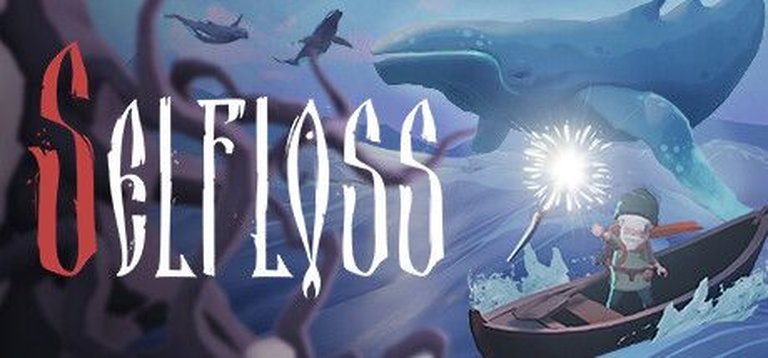
Selfloss is a 3D action-platformer with puzzle elements set in a fantasy world inspired by Slavic lore. Players embark on an emotional journey as Kazimir, navigating through a visually striking 2D scrolling environment with a cinematic camera. The game explores themes of loss, human frailty, and nature, blending combat, exploration, and puzzle-solving with a unique staff-of-light mechanic. Developed using Unreal Engine 4, Selfloss offers a moody, atmospheric experience across multiple platforms, including Windows, Nintendo Switch, PlayStation 5, and Xbox Series.
Gameplay Videos
Where to Buy Selfloss
Selfloss Free Download
Selfloss Patches & Updates
Selfloss Mods
Selfloss Guides & Walkthroughs
Selfloss Reviews & Reception
metacritic.com (80/100): Kazimir’s journey handles topics like loss, and the frailty of humankind and nature, with such sincerity that makes Selfloss a journey worth shedding a tear or two for.
opencritic.com (64/100): Showing a tonne of promise, Selfloss just fails to hit the landing in many places. With a lack of polish in some key areas, this one will leave you questioning what might have been.
aiptcomics.com : Selfloss is a new indie game in a similar vein to the above titles; it marries beautiful visuals and a haunting score with themes of grief and depression in a stunning 8 to 10 hour journey of healing.
gamersocialclub.ca : Selfloss is an evocative and unhurried journey through a world that is as bleak as it is beautiful. An intimate story that deals in themes such as life, death and remorse with a mystical but unflinching manner.
xtgamer.net : In Selfloss, an old man fights mystical creatures to help those in need while also coming to terms with his own past.
Selfloss: A Haunting Journey Through Grief and Redemption
Introduction
In the vast ocean of indie games, few titles manage to carve out a niche as poignant and visually arresting as Selfloss. Developed by the small but ambitious Goodwin Games and published by Merge Games and Maximum Entertainment, Selfloss is a narrative-driven action-adventure that weaves themes of grief, redemption, and self-discovery into a richly atmospheric experience. Set in a world inspired by Slavic and Icelandic folklore, the game follows Kazimir, an elderly healer burdened by a tragic past, as he embarks on a quest to heal his wounded soul through the titular “Selfloss” ritual.
From its hauntingly beautiful visuals to its emotionally resonant storytelling, Selfloss stands as a testament to the power of indie game development. However, its journey is not without its stumbles—clunky combat, occasional technical hiccups, and pacing issues threaten to disrupt its otherwise serene flow. This review will delve deep into every facet of Selfloss, examining its narrative depth, gameplay mechanics, artistic direction, and its place in the broader landscape of modern gaming.
Development History & Context
The Studio Behind the Vision
Goodwin Games, the studio behind Selfloss, is a relatively small team with a grand vision. Comprising just three core developers—Alex Goodwin, Margarita Gorokhova, and Dmitriy Nakhabin—the studio has managed to craft a game that punches far above its weight in terms of ambition and emotional depth. The game’s development was supported by an Epic MegaGrant, which provided the financial backing necessary to bring its unique vision to life.
The studio’s inspiration for Selfloss is deeply rooted in Slavic and Icelandic mythology, a choice that sets it apart from the more commonly explored Greco-Roman or Norse mythologies in gaming. This cultural foundation infuses the game with a distinct identity, blending the melancholic beauty of Icelandic landscapes with the mystical allure of Slavic folklore. The result is a world that feels both familiar and alien, a dreamscape where whales are revered as gods and the remnants of a forgotten war linger in the ruins of a once-great civilization.
Technological Constraints and Innovations
Selfloss was built using Unreal Engine 4, a choice that allowed the developers to leverage the engine’s robust tools for creating detailed environments and atmospheric lighting. The game’s visual style is a striking blend of low-poly aesthetics and desaturated pastel tones, which, while not pushing the boundaries of graphical fidelity, creates a mood that is perfectly suited to its themes of loss and introspection.
One of the most innovative aspects of Selfloss is its use of the protagonist’s magical staff, which serves as both a gameplay mechanic and a narrative device. The staff can be controlled independently of Kazimir, allowing players to solve puzzles, navigate the environment, and engage in combat in ways that feel fresh and engaging. This dual-control system is a testament to the developers’ creativity, though it is not without its flaws, as we will explore later.
The Gaming Landscape at Launch
Selfloss released on September 5, 2024, into a gaming landscape dominated by high-budget AAA titles and a crowded indie market. Its release coincided with a period where narrative-driven, emotionally resonant games like Spiritfarer, Gris, and The Last Campfire had already set a high bar for what players expected from indie experiences. Selfloss had to carve out its own space in this competitive environment, and it did so by leaning heavily into its unique cultural influences and atmospheric storytelling.
The game’s reception was mixed but generally positive, with critics praising its narrative depth and artistic direction while noting its gameplay shortcomings. This divide highlights the challenges faced by indie developers who prioritize storytelling and atmosphere over polished mechanics—a balancing act that Selfloss navigates with varying degrees of success.
Narrative & Thematic Deep Dive
The Story of Kazimir: A Journey Through Grief
At its core, Selfloss is a story about grief, redemption, and the search for meaning in a world scarred by loss. The protagonist, Kazimir, is an elderly healer who begins his journey in the afterlife, a realm known as Leeway. After being granted a second chance at life, Kazimir returns to the material world of Yord, where he must help others perform the Selfloss ritual—a spiritual healing process that allows the grieving to find closure.
The narrative unfolds across five chapters, each of which sees Kazimir traveling to a different environment, from mist-laden marshlands to frost-lined fjords. Along the way, he encounters a variety of characters, each grappling with their own losses. These encounters are deeply emotional, often touching on themes of love, death, and the passage of time. The game does not shy away from the harsh realities of life, and its storytelling is unflinching in its portrayal of sorrow.
Themes of Loss and Healing
The central theme of Selfloss is, as the title suggests, the idea of losing oneself in grief and the journey to reclaim one’s identity. Kazimir’s quest is not just about helping others but also about confronting his own past and the reasons behind his suicide. The game’s narrative is structured in such a way that each act of healing Kazimir performs for others brings him closer to understanding his own pain.
The Selfloss ritual itself is a powerful metaphor for the grieving process. It requires the essence of a fish and an item of significance to the departed, symbolizing the need to let go of the past while holding onto the memories that define us. This ritual is not just a gameplay mechanic but a narrative device that reinforces the game’s themes of closure and renewal.
World-Building and Lore
The world of Selfloss is richly detailed, drawing heavily from Slavic and Icelandic mythology. The game’s lore is delivered through a series of collectible scrolls and tarot-like illustrations, which provide insights into the history of Yord, its gods, and its people. These collectibles are not just optional extras but integral to understanding the world’s deeper mysteries.
One of the most striking aspects of the game’s lore is its depiction of a world where whales are worshipped as gods. This reverence for marine life is reflected in the game’s environments, which are often centered around water—rivers, lakes, and oceans that serve as both obstacles and pathways. The presence of creatures like mermaids, giants, and the mythical Lich adds to the game’s fantastical atmosphere, creating a world that feels both ancient and alive.
Character Depth and Emotional Resonance
Kazimir is a deeply compelling protagonist, not just because of his tragic backstory but because of the way the game portrays his journey. His advanced age is reflected in his slow, deliberate movements, which serve as a constant reminder of his physical and emotional burdens. The game’s use of flashbacks and dream sequences further deepens his character, providing glimpses into his past and the events that led to his despair.
The supporting characters Kazimir encounters are equally well-developed, each with their own stories of loss and longing. Whether it’s a mermaid mourning her lost lover or a giant seeking redemption, these characters add layers to the game’s narrative, making the world of Yord feel populated and alive.
Gameplay Mechanics & Systems
Core Gameplay Loop
Selfloss is primarily an exploration-driven game, with puzzle-solving and light combat serving as secondary mechanics. The game’s core loop involves navigating its environments, solving puzzles to progress, and engaging in combat with the Miasma—a mysterious, corrupting force that infects the world.
The game’s pacing is deliberate, reflecting Kazimir’s age and the weight of his journey. Movement is slow, and actions like running or dodging require Kazimir to recover, adding a layer of realism to his character. This measured pace can be frustrating at times, especially during combat sequences, but it also reinforces the game’s themes of patience and perseverance.
Combat: A Flawed but Functional System
Combat in Selfloss is a twin-stick shooter affair, with Kazimir using his staff to emit beams of light that destroy Miasma-infested enemies. The combat is simple but effective, though it suffers from a lack of depth and variety. Enemies are largely identical in behavior, and the combat mechanics do not evolve significantly over the course of the game.
One of the biggest issues with the combat is the game’s camera system. The fixed isometric perspective can make it difficult to judge depth, leading to moments where Kazimir stumbles off ledges or fails to land attacks. Additionally, the controls for combat can feel unresponsive, particularly when aiming the staff’s light beams. These issues are compounded by the game’s occasional technical hiccups, which can disrupt the flow of combat.
Puzzle Design: A Highlight of the Experience
Where Selfloss truly shines is in its puzzle design. The game features a variety of puzzles, ranging from simple light-based challenges to more complex environmental interactions. The staff’s ability to be placed independently of Kazimir adds a layer of depth to these puzzles, allowing for creative solutions that feel rewarding to uncover.
The puzzles are well-integrated into the game’s environments, often requiring players to explore their surroundings to find clues or hidden mechanisms. This encourages a sense of discovery that is central to the game’s appeal. While some puzzles can be frustrating due to their reliance on precise timing or specific solutions, the overall experience is satisfying and engaging.
Exploration and World Design
Exploration is the heart of Selfloss, and the game’s world is designed to reward curiosity. Each of the game’s biomes is distinct, featuring unique landmarks and environmental hazards. From towering basalt columns to cascading waterfalls, the world of Yord is a feast for the eyes, inviting players to linger and soak in its beauty.
The game’s fixed camera angle can be both a blessing and a curse. On one hand, it creates a cinematic feel that enhances the game’s atmosphere. On the other, it can lead to moments of frustration, particularly during platforming sections where depth perception is crucial. Despite these issues, the world design is one of the game’s strongest aspects, offering a sense of place that is rare in indie titles.
Progression and Character Abilities
Kazimir’s abilities are tied to his staff, which serves as a multifunctional tool throughout the game. The staff can be used to create a sail for his boat, emit light beams to solve puzzles, and even function as a fishing rod. The ability to control the staff independently of Kazimir adds a layer of complexity to the gameplay, allowing for creative problem-solving.
The game’s progression is linear, with each chapter introducing new environments and challenges. While there is some room for exploration, the game’s structure is largely guided, ensuring that players experience the narrative in a controlled manner. This linear approach works well for the game’s storytelling but can feel restrictive for players who prefer more open-ended experiences.
World-Building, Art & Sound
Visual Direction: A Melancholic Masterpiece
Selfloss’s visual style is one of its most striking features. The game employs a low-poly aesthetic with desaturated pastel tones, creating a mood that is both melancholic and beautiful. The environments are richly detailed, with each biome featuring unique landmarks and atmospheric effects.
The game’s use of lighting is particularly impressive, with the staff’s light beams serving as a focal point for both gameplay and visual storytelling. The contrast between the dark, Miasma-infested areas and the bright, cleansing light of Kazimir’s staff creates a powerful visual metaphor for the game’s themes of hope and despair.
Sound Design: A Haunting Symphony
The sound design in Selfloss is equally impressive, with a haunting orchestral score composed by Arigto that perfectly complements the game’s atmosphere. The music is dynamic, shifting between somber melodies and more intense compositions during combat and boss encounters.
The game’s ambient sounds are equally well-crafted, with the rustling of leaves, the lapping of water, and the distant calls of creatures adding to the immersive experience. The voice acting, while minimal, is effective, with the deep growls of the game’s fantasy language adding a layer of mystery to its world.
Atmosphere and Immersion
The combination of visual and auditory elements in Selfloss creates an atmosphere that is both eerie and captivating. The game’s world feels alive, with its environments reacting to Kazimir’s presence in subtle but meaningful ways. The fixed camera angle, while occasionally problematic, enhances the cinematic quality of the experience, drawing players deeper into the game’s narrative.
The game’s pacing, while slow, is deliberate, allowing players to fully absorb the world and its stories. This measured approach is not without its drawbacks—some players may find the game’s tempo too leisurely—but it is a key part of what makes Selfloss such a unique and memorable experience.
Reception & Legacy
Critical Reception: A Divided but Positive Response
Selfloss received a mixed but generally positive reception from critics. The game’s narrative depth, artistic direction, and emotional resonance were widely praised, with many reviewers highlighting its unique cultural influences and atmospheric storytelling. However, the game’s combat mechanics, technical issues, and pacing were frequently criticized.
On Metacritic, Selfloss holds a user score of 7.2, indicating a generally favorable reception. Critics like Impulse Gamer and Nindie Spotlight praised the game’s emotional impact, with the latter noting that it “absolutely delivers” on its themes of loss and healing. Other outlets, such as PlayStation Universe and Adventure Game Hotspot, were more critical, citing unpolished gameplay and a lack of innovation in its puzzle design.
Commercial Performance and Player Feedback
Commercially, Selfloss performed modestly, with its niche appeal limiting its mainstream success. However, the game found a dedicated audience among players who appreciated its narrative-driven approach and atmospheric world. On Steam, the game holds a “Mostly Positive” rating, with 76% of user reviews recommending it.
Player feedback has been similarly divided, with many praising the game’s story and visuals while criticizing its combat and technical issues. Some players have noted that the game’s slow pace and occasional bugs can be frustrating, but these flaws are often overshadowed by its emotional depth and unique setting.
Influence and Legacy
While Selfloss may not have achieved the same level of acclaim as other narrative-driven indies like Spiritfarer or Gris, it has carved out its own niche in the gaming landscape. Its blend of Slavic and Icelandic mythology, combined with its hauntingly beautiful visuals and emotional storytelling, makes it a standout title in the indie scene.
The game’s legacy is likely to be one of quiet influence, inspiring future developers to explore similar themes and cultural influences in their own work. Its success also highlights the potential of small, ambitious studios to create experiences that resonate deeply with players, even in a crowded market.
Conclusion: A Flawed but Unforgettable Journey
Selfloss is a game that defies easy categorization. It is at once a haunting exploration of grief and redemption, a visually stunning journey through a mythical world, and a flawed but ambitious indie title that pushes the boundaries of narrative-driven gameplay. While its combat mechanics and technical issues may frustrate some players, its emotional depth, rich world-building, and atmospheric storytelling make it a journey worth taking.
For those who appreciate games that prioritize narrative and atmosphere over polished mechanics, Selfloss is a must-play. It is a testament to the power of indie game development, proving that even small studios can create experiences that linger in the mind long after the credits roll. While it may not be perfect, Selfloss is a game that deserves to be remembered—not just for its flaws, but for the beauty and emotion it brings to the world of gaming.
Final Verdict: 8/10 – A deeply emotional and visually stunning journey, marred only by its occasional technical stumbles.