
- Release Year: 2010
- Platforms: Nintendo DS, Wii, Windows
- Publisher: Warner Bros. Interactive Entertainment Inc.
- Developer: Black Lantern Studios, Inc.
- Genre: Educational, Licensed
- Perspective: Third-person
- Game Mode: Single-player
Description
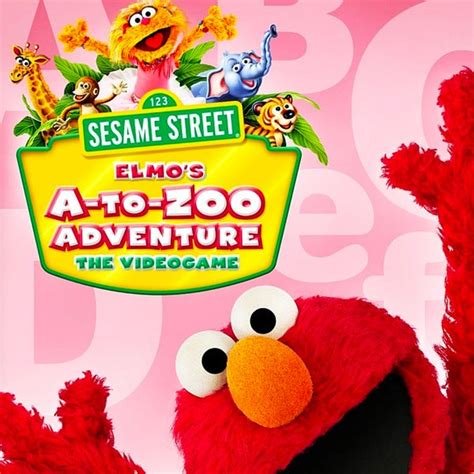
Sesame Street: Elmo’s A-to-Zoo Adventure – The Videogame is an educational game designed for young children, featuring beloved characters like Elmo and Zoe. Set in a vibrant zoo environment, the game teaches letters, words, and early reading skills through interactive mini-games and activities. Players help Elmo explore the zoo, solve puzzles, and learn the alphabet while engaging with familiar Sesame Street friends. The game adapts to the child’s skill level, offering hints and adjustable difficulty to ensure a fun and educational experience.
Gameplay Videos
Sesame Street: Elmo’s A-to-Zoo Adventure – The Videogame: A Comprehensive Retrospective
Introduction
In the vast and often overlooked landscape of children’s educational video games, Sesame Street: Elmo’s A-to-Zoo Adventure – The Videogame stands as a testament to the enduring legacy of the Sesame Street franchise. Released in 2010, this game is a product of its time, reflecting the technological advancements and educational philosophies of the early 21st century. This review aims to provide an exhaustive analysis of the game, delving into its development history, narrative and thematic elements, gameplay mechanics, world-building, and its reception and legacy.
Development History & Context
The Studio and Creators’ Vision
Elmo’s A-to-Zoo Adventure was developed by Black Lantern Studios, a company known for its work on educational and children’s games. The studio’s collaboration with Warner Bros. Interactive Entertainment and Sesame Workshop brought together a team of 236 individuals, including developers, artists, and quality assurance testers. The game was released simultaneously on multiple platforms: Windows, Nintendo DS, and Wii, showcasing the studio’s commitment to accessibility and reaching a broad audience.
The creators’ vision was to create an engaging and educational experience that would help young children develop literacy skills. The game was designed to be intuitive and fun, with a focus on letter identification, letter sounds, and word families. The inclusion of motion controls for the Wii and touchscreen functionality for the Nintendo DS was a deliberate choice to make the game more interactive and appealing to its target audience.
Technological Constraints and Innovations
The game’s development was influenced by the technological constraints of the era. The Wii and Nintendo DS versions utilized motion controls and touchscreen interfaces, respectively, to create a more immersive experience. The PC version, on the other hand, relied on traditional point-and-click mechanics. These design choices reflect the technological capabilities and limitations of the platforms at the time.
One notable innovation was the inclusion of special plush covers for the Wii Remote and Nintendo DS stylus. These covers were designed to make the controllers more comfortable and easier to handle for young children, addressing a common concern among parents and educators about the ergonomics of gaming devices for preschoolers.
The Gaming Landscape in 2010
The gaming landscape in 2010 was marked by a growing interest in educational and family-friendly games. The success of the Wii, with its motion controls and broad appeal, had opened up new opportunities for developers to create games that were both fun and educational. Elmo’s A-to-Zoo Adventure was part of a wave of games that sought to capitalize on this trend, offering a blend of entertainment and learning that was well-suited to the needs and interests of young children.
Narrative & Thematic Deep Dive
Plot and Characters
The game’s narrative is centered around Elmo and Zoe, two beloved characters from the Sesame Street franchise, as they explore a zoo filled with exciting activities. The plot is simple yet engaging, designed to capture the imagination of young children while providing a framework for learning. The game’s characters, including Elmo, Zoe, and Chris the Zookeeper, are well-developed and relatable, embodying the friendly and supportive personalities that have made Sesame Street a staple of children’s television.
Dialogue and Themes
The dialogue in Elmo’s A-to-Zoo Adventure is clear, concise, and age-appropriate, reflecting the game’s educational goals. The themes of the game are centered around literacy and the exploration of different zoo habitats, including the Aquarium, Savanna, Jungle, Wetlands, and the Arctic. These themes are designed to foster a love of learning and curiosity about the natural world, aligning with the broader educational mission of the Sesame Street franchise.
Gameplay Mechanics & Systems
Core Gameplay Loops
The core gameplay of Elmo’s A-to-Zoo Adventure revolves around a series of minigames that are designed to teach literacy skills. These minigames are varied and engaging, offering a mix of challenges that cater to different learning styles. The game features 17 minigames in the Wii and PC versions, 16 in the Nintendo DS version, and 14 minigames that are common across all platforms.
Combat and Character Progression
Unlike traditional action or adventure games, Elmo’s A-to-Zoo Adventure does not feature combat or character progression in the conventional sense. Instead, the game focuses on educational challenges and skill-building activities. The difficulty of the minigames adjusts to the player’s level, ensuring that the experience is both challenging and rewarding.
UI and Innovative Systems
The game’s user interface is designed to be intuitive and easy to navigate, with clear visual and audio cues to guide young players. One innovative feature is the adaptive difficulty system, which adjusts the challenge level based on the player’s performance. This system ensures that the game remains engaging and accessible, even for children who may be struggling with certain concepts.
World-Building, Art & Sound
Setting and Atmosphere
The game’s setting is a vibrant and colorful zoo, filled with a variety of habitats and animals. The atmosphere is cheerful and inviting, reflecting the friendly and supportive tone of the Sesame Street franchise. The game’s art style is bright and cartoonish, with a focus on clear and recognizable visuals that are appealing to young children.
Visual Direction and Sound Design
The visual direction of Elmo’s A-to-Zoo Adventure is characterized by its use of bright colors, simple shapes, and friendly characters. The sound design is equally important, with a mix of cheerful music, clear voice acting, and engaging sound effects that enhance the overall experience. The game’s soundtrack features instrumental versions of the Sesame Street theme song, adding a sense of familiarity and comfort for young players.
Reception & Legacy
Critical and Commercial Reception
Elmo’s A-to-Zoo Adventure received a mixed but generally positive reception from critics. Tech with Kids, a prominent review site for children’s games, gave the game a score of 70%, praising its educational value and adaptive difficulty system. However, the review also noted that the game suffered from too much uninterruptible instructing and games that required kids to wait, which could be frustrating for young players.
Commercially, the game was released at a time when educational games were gaining popularity, and it benefited from the strong brand recognition of the Sesame Street franchise. The game’s multiplatform release and innovative use of motion controls and touchscreen interfaces helped it reach a broad audience.
Evolution of Reputation and Influence
Over the years, Elmo’s A-to-Zoo Adventure has been remembered as a solid example of an educational game that successfully balances fun and learning. Its adaptive difficulty system and engaging minigames have been praised for their effectiveness in teaching literacy skills. The game’s influence can be seen in subsequent Sesame Street games, which have continued to build on its educational framework and interactive design.
Conclusion
Sesame Street: Elmo’s A-to-Zoo Adventure – The Videogame is a noteworthy entry in the Sesame Street franchise and the broader landscape of children’s educational games. Its development history reflects the technological advancements and educational philosophies of the early 21st century, while its narrative and thematic elements embody the friendly and supportive tone of the Sesame Street brand. The game’s gameplay mechanics and systems are designed to be intuitive and engaging, with a focus on literacy skills and adaptive difficulty. The world-building, art, and sound design create a vibrant and inviting atmosphere that is appealing to young children. While the game received a mixed reception from critics, it has been remembered as a solid example of an educational game that successfully balances fun and learning. Its legacy can be seen in subsequent Sesame Street games, which have continued to build on its educational framework and interactive design.
In conclusion, Sesame Street: Elmo’s A-to-Zoo Adventure – The Videogame is a testament to the enduring legacy of the Sesame Street franchise and a valuable contribution to the landscape of children’s educational games. Its innovative use of motion controls and touchscreen interfaces, combined with its engaging minigames and adaptive difficulty system, make it a noteworthy entry in the history of video games.