
- Release Year: 2018
- Platforms: PlayStation 4, Windows, Xbox One
- Publisher: Square Enix Co., Ltd., Square Enix, Inc.
- Developer: Eidos Montréal
- Genre: Action
- Perspective: Third-person
- Game Mode: Single-player
- Gameplay: Platform, Puzzle elements, Shooter
- Setting: South America
- Average Score: 79/100
Description
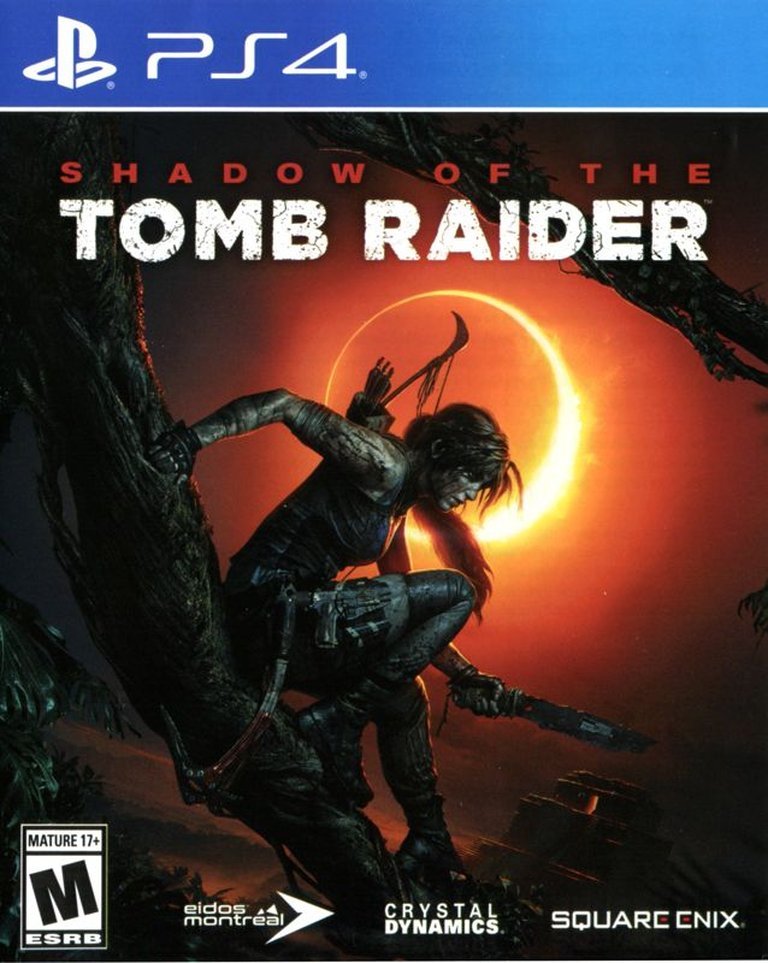
Shadow of the Tomb Raider concludes Lara Croft’s origin trilogy, developed by Eidos Montréal. Set in the treacherous jungles and ancient ruins of South America, Lara must prevent a Mayan apocalypse triggered by a mystical artifact. As she races against time, players navigate deadly environments, solve elaborate tomb puzzles, and utilize stealth combat while confronting both supernatural threats and human adversaries. The game emphasizes exploration, survival mechanics, and character progression through skill upgrades and equipment crafting.
Gameplay Videos
Where to Buy Shadow of the Tomb Raider
Shadow of the Tomb Raider Free Download
Shadow of the Tomb Raider Cracks & Fixes
Shadow of the Tomb Raider Patches & Updates
Shadow of the Tomb Raider Mods
Shadow of the Tomb Raider Guides & Walkthroughs
Shadow of the Tomb Raider Reviews & Reception
ign.com : A bigger world, higher stakes, and an unexpected spin on Lara Croft’s character make Shadow of the Tomb Raider the most ambitious of the modern trilogy.
metacritic.com (75/100): Shadow of the Tomb Raider is the best game in this trilogy and was well worth the wait.
opencritic.com (80/100): Despite some narrative flaws, Shadow of the Tomb Raider still delivers a thrilling adventure starring one of the most unique and interesting takes on Lara Croft yet.
pcgamesn.com (82/100): Eidos Montreal applies its signature gameplay touches to Tomb Raider, making for the series’s most satisfying balance of combat, exploration, and puzzle solving.
vg247.com : A bit uneven, with some frustrating portions and a few brilliant moments.
Shadow of the Tomb Raider: A Definitive Exploration of Lara Croft’s Darkest Journey
Introduction
Shadow of the Tomb Raider (2018) marks the climactic chapter of the Survivor Trilogy, a reboot that redefined Lara Croft from a vulnerable archaeologist into a hardened adventurer. Developed by Eidos Montréal and published by Square Enix, the game blends visceral action, intricate puzzles, and a morally complex narrative to explore Lara’s transformation into the iconic “Tomb Raider.” This review posits that Shadow succeeds as a technical and atmospheric triumph, even as it stumbles in reconciling its thematic ambitions with dated gameplay loops.
Development History & Context
A Changing of the Guard
For the first time in the reboot trilogy, primary development shifted from Crystal Dynamics (busy with Marvel’s Avengers) to Eidos Montréal, known for Deus Ex and Thief. This transition introduced fresh perspectives but also growing pains, as the team sought to honor the series’ DNA while pushing boundaries. The $110–135 million budget—among the highest for a single-player game—reflected Square Enix’s gamble on blockbuster storytelling.
Technological Ambitions
Built on the Foundation Engine (enhanced from Rise of the Tomb Raider), Shadow prioritized immersive jungles, dynamic weather, and underwater exploration. DirectX 12 integration and real-time ray tracing (via NVIDIA RTX) enabled lush visuals, though console versions targeted a stable 30 FPS. The team consulted historians to design Paititi, a fictional city blending Inca, Maya, and Aztec influences, though critiques of “Mayincatec” simplification persisted.
A Crowded Market
Released amid God of War (2018) and Red Dead Redemption 2, Shadow faced steep competition. Its September 2018 launch emphasized a darker tone and refined puzzles to differentiate itself, yet reliance on familiar Ubisoft-esque open-world tropes (crafting, collectibles) risked player fatigue.
Narrative & Thematic Deep Dive
The Weight of Consequences
Shadow opens with Lara’s hubris: her theft of the Dagger of Chak Chel triggers a tsunami, killing thousands. This sets up a story of atonement as she races antagonist Dr. Pedro Dominguez (Trinity’s leader) to prevent a Mayan apocalypse. Unlike prior games, Lara’s evolution isn’t about survival but reckoning with her colonialist impulses—a theme underscored by her interactions with Paititi’s Indigenous resistance.
Character Arcs and Flaws
Lara’s relationship with Jonah Maiava evolves from camaraderie to tension, reflecting her obsession. Dominguez, revealed as Amaru, a lost heir to Paititi, mirrors Lara’s zeal but lacks depth. The Yaaxil—guardians of the Box of Ix Chel—serve as both allies and antagonists, embodying the game’s duality of beauty and brutality.
Missed Opportunities
While the narrative ambitiously tackles cultural appropriation and environmental destruction, it often retreats into Hollywood spectacle. Key moments, like Unuratu’s death, feel rushed, and Lara’s redemption arc leans on clichéd sacrifices rather than systemic critique.
Gameplay Mechanics & Systems
Stealth, Combat, and the Jungle as Adversary
- Stealth: Mud camouflage, fear arrows, and environmental takedowns encourage creativity, though AI inconsistencies undermine tension.
- Combat: Gunplay remains serviceable but repetitive, with limited enemy variety. Melee upgrades (e.g., machete finishers) add flair but feel underutilized.
- Exploration: The densest hubs in the trilogy, featuring nine challenge tombs with physics-based puzzles (e.g., water redirection, celestial alignment).
Progression and Customization
- Skill Trees: Focused on survival (e.g., herbalism), scavenging, and combat. New Game+ introduces Path of the Serpent/Jaguar/Eagle, tailoring playstyles.
- Difficulty Sliders: Separate settings for combat, puzzles, and traversal cater to both casual fans and masochists (e.g., “Deadly Obsession” disables checkpoints).
Flaws in the Foundation
- Crafting: Overabundant resources diminish challenge.
- Side Quests: Fetch-heavy tasks (“find my brother”) pale next to tomb puzzles.
World-Building, Art & Sound
A Feast for the Senses
- Visual Design: From Cozumel’s Day of the Dead festivities to Paititi’s terraced plazas, environments teem with detail. Volumetric lighting and destructible foliage heighten immersion, though texture pop-in occasionally mars the illusion.
- Soundscape: Brian D’Oliveira’s score blends Andean flutes and electronic tones, while ambient sounds (howler monkeys, collapsing ruins) ground the apocalypse. The Immersion Mode—background NPCs speak Indigenous languages—adds authenticity, albeit inconsistently.
Paititi: Triumph and Controversy
The sprawling city is a technical marvel but draws criticism for romanticizing Indigenous cultures as “noble savages” needing Lara’s salvation. While Eidos consulted historians, the Yaaxil’s monstrous depiction risks perpetuating harmful stereotypes.
Reception & Legacy
Critical Divide
- Praise: Tombs, visuals, and Lara’s characterization (81% Metacritic average). IGN hailed it as “the trilogy’s best” for its ambition.
- Critique: Repetitive combat, bloated collectibles, and a fragmented story. Destructoid noted, “Lara’s growth feels unearned.”
- Commercial Performance: Sold 8.9 million units—respectable but below Square Enix’s expectations.
Lasting Influence
Shadow cemented the reboot’s formula, influencing titles like Horizon Forbidden West with its climbing mechanics and environmental storytelling. The Definitive Edition (2019) addressed pacing issues, while Netflix’s Tomb Raider: The Legend of Lara Croft (2024) continues her saga.
Conclusion
Shadow of the Tomb Raider is a flawed masterpiece. Its lush world, challenging tombs, and thematic boldness push the franchise forward, even as dated combat and narrative missteps hold it back. For fans, it’s a fitting end to Lara’s origin story—a reminder that heroism isn’t born from victory, but from confronting the shadows we cast. In gaming history, Shadow will be remembered not for perfection, but for daring to ask: What does it cost to become a legend?
Final Verdict: ★★★★☆ (4/5) — A visually stunning, narratively daring finale that stumbles under its own weight.