
- Release Year: 2012
- Platforms: Macintosh, Windows
- Publisher: 8floor Ltd., Big Fish Games, Inc, rondomedia Marketing & Vertriebs GmbH
- Developer: Creobit
- Genre: Adventure
- Perspective: 1st-person
- Game Mode: Single-player
- Gameplay: Hidden object, Puzzle elements
- Setting: Horror
- Average Score: 68/100
Description
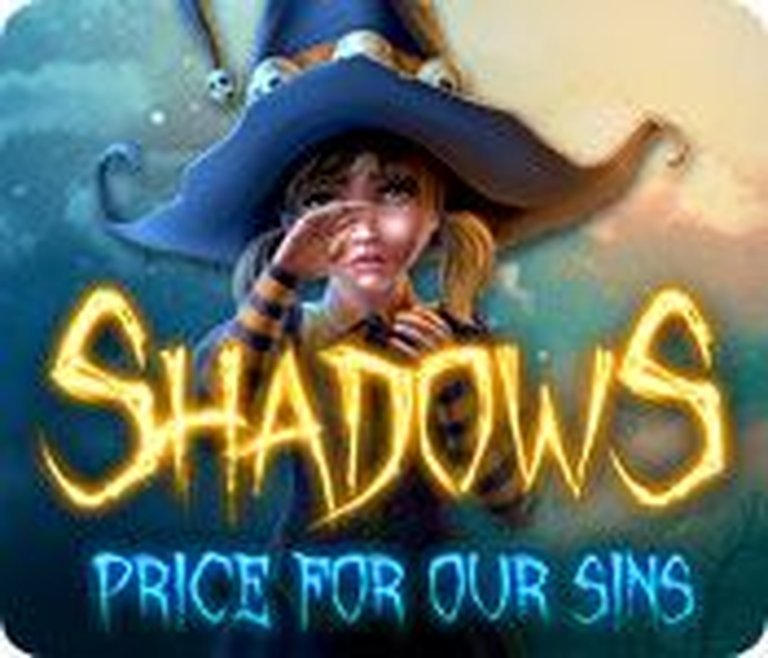
In ‘Shadows: Price for Our Sins’, a Halloween party takes a dark turn when a cursed board game traps your friends’ souls in a shadowy realm. As the protagonist, you must explore a haunted farm, solve puzzles, and uncover hidden objects to free both your friends and other tormented spirits while unraveling the tragic history behind the curse. This first-person adventure blends horror storytelling with hidden-object challenges and puzzle-solving elements.
Gameplay Videos
Where to Buy Shadows: Price for Our Sins
PC
Shadows: Price for Our Sins Patches & Updates
Shadows: Price for Our Sins Guides & Walkthroughs
Shadows: Price for Our Sins Reviews & Reception
steambase.io (73/100): Mostly Positive based on 66 reviews.
gametop.com (75/100): Despite some shortcomings, Shadows: Price for Our Sins offers an enjoyable and atmospheric adventure.
gamepressure.com (57/100): Mixed based on 203 reviews.
gamezebo.com : reminds us of the days when developers focused on making great games without pointless extras.
Shadows: Price for Our Sins: Review
Introduction
In the shadow-drenched halls of hidden object gaming history, Shadows: Price for Our Sins (2012) stands as a flawed but fascinating artifact—a Halloween-themed descent into guilt, redemption, and puzzle-solving that captured the genre’s strengths and limitations. Developed by Ukrainian studio Creobit (later rebranded as 8Floor), the game emerged during the golden age of casual hidden object adventures (HOGs), bridging classic point-and-click design with narrative ambition. This review argues that while Shadows suffers from technical jank and derivative elements, its inventive item interactions, dual-story structure, and commitment to atmospheric horror elevate it beyond disposable shovelware into a cult curiosity worthy of reappraisal.
Development History & Context
Studio & Vision:
Creobit, founded in 2008, carved a niche in mid-tier HOGs like Mahjong Royal Towers and Alice’s Patchwork. With Shadows, the team aimed to blend supernatural storytelling with tactile puzzle design, capitalizing on the early-2010s boom in narrative-driven casual games. Lead designer Kira Bruk sought to inject freshness into a formula dominated by Artifex Mundi and Big Fish Games staples, drawing from Gothic literature and folk horror.
Technological Constraints:
Built using Adobe Flash and DirectX 9.0c, Shadows betrays its budget through rudimentary 3D animations and static pre-rendered backgrounds. The UI—functional but dated—reflects Creobit’s focus on accessibility over polish, targeting low-end PCs (1.0 GHz CPU, 1GB RAM) to maximize reach on platforms like WildTangent and Big Fish Games. Voice acting, outsourced to minimal talent pools, resulted in uneven delivery, as noted in Steam reviews lamenting “horrendous” performances.
Gaming Landscape:
Released December 7, 2012, Shadows entered a saturated market. Competing against genre giants like Mystery Case Files and Grim Legends, it differentiated itself through Halloween aesthetics—a risky bet outside October—and a metacritical subplot dissecting cyclical trauma. Priced at $9.99-$14.99 as a digital download, it found moderate commercial success, later ported to macOS in 2016.
Narrative & Thematic Deep Dive
Plot & Characters:
The story orbits Devon, a college student whose Halloween party at Stone Farm descends into chaos when a board game—echoing Jumanji—summons Samhain, a Celtic harvest deity turned soul-devouring entity. Devon’s friends are trapped in a liminal realm, forcing her to confront:
– The Farm’s Past: Through flashbacks and ghostly encounters, players uncover tragedies spanning centuries: a poisoned family (1800s), a vengeful nanny (1920s), and a blacksmith’s Faustian pact.
– Dual Timelines: The narrative interweaves Devon’s rescue mission with historical vignettes, revealing how each ghost’s “sin” (greed, neglect, hubris) mirrors her friends’ recklessness.
Dialogue & Themes:
While hampered by clumsy localization (“Let’s celebrate the holiday of the darkness tonight!”), the script explores guilt as communal inheritance. Ghosts like Mary (a spectral child) and Javed (a wronged laborer) voice haunting regrets through monochromatic cutscenes—a stylistic highlight blending Edward Gorey-esque artistry with noir narration. Thematically, Shadows critiques nostalgia, showing how past ignorance (e.g., toxic farming practices) corrupts the present.
Gameplay Mechanics & Systems
Core Loop:
Progress hinges on three pillars:
1. Hidden Object Scenes (HOS): 18 scenes blend “list-finding” with environmental puzzles. Red-text items require multi-step interactions (e.g., using pliers to open a fuse box before retrieving a key).
2. Mini-Games: 30+ puzzles range from tile-matching (“rotate skulls onto blue squares”) to logic grids (“place bottles by color spectrum”). Standouts include a lantern-refraction puzzle and a musical lock demanding precision timing.
3. Inventory Management: Key items (e.g., a scythe, holy water) unlock areas like the Winery or Crypt. The “Game Box” mechanic—collecting fractured tokens to restore characters—adds metaprogression, rewarding players with essential tools.
Innovations & Flaws:
– Strengths: Nested puzzles within HOS (e.g., repairing a xylophone to find beads) inject depth. The map system—highlighting active tasks with “!” icons—prevents aimlessness.
– Weaknesses: Repetitive interactions (clearing spider webs ad nauseam) and abrupt difficulty spikes (the infamous “VITA” bookcode puzzle) frustrate. Hint systems recharge sluggishly (30-60 seconds), and inventory scrolling feels archaic.
UI/UX:
Functional but barebones. The journal auto-logs clues, yet tooltips often mislabel items (“check” vs. “chalk”), reflecting rushed localization.
World-Building, Art & Sound
Visual Design:
Creobit’s art team crafted hand-drawn backdrops drenched in gothic decay: crumbling mansions, fog-locked vineyards, and candlelit crypts ooze Tim Burton-meets-Poe ambiance. While character models suffer from stiff animations, the 2D cutscenes—rendered in stark monochrome with fluid ink-wash textures—are artistic triumphs.
Atmosphere:
Lighting sells the horror. Dynamic shadows flicker across halls, and the macabre soundtrack (Alexander Maslov, Aleksander Carpeev) layers pipe organs, dissonant strings, and echoing whispers. Darbi Logan’s voice acting, while inconsistent, lends pathos to ghosts like the tragic nanny.
Sound Design:
Environmental audio—howling winds, creaking floorboards—immerses players, though repetitive SFX (e.g., the “leather sofa slap” on item pickup) grate over time.
Reception & Legacy
Launch Reception:
– Critics: GameZebo (80%) praised “unusual item use” and storytelling, while Diehard GameFan deemed it “above average” for its dual narrative.
– Players: Steam reviews (73/100) cite “dated animations” but laud puzzle creativity. Negative critiques focus on voice acting and bugs (e.g., broken cutscenes in Windows 10).
Post-Release Evolution:
A 2013 “Bonus Edition” added expanded HOS but failed to address technical flaws. By 2025, the game persists as a cult oddity—nostalgic for HOG devotees but overshadowed by genre refinements like Dark Arcana’s production values.
Industry Influence:
Shadows’ puzzle-in-puzzle design inspired later titles like House of 1000 Doors (also by 8Floor). Its thematic gutsiness—linking personal failings to historical sins—paved the way for nuanced narratives in casual horror.
Conclusion
Shadows: Price for Our Sins is neither masterpiece nor misfire—it’s a poignant time capsule of a genre straining against budgetary and creative limits. Its flawed execution (clumsy UI, rough voice work) clashes with genuine ambition: a somber tale of inherited guilt, adorned with clever puzzles and arresting visuals. For historians, it exemplifies the early-2010s HOG boom’s strengths (accessibility, atmosphere) and weaknesses (repetition, technical corners cut). While not essential, it remains a fascinating detour—a 7/10 relic best suited for genre completists and Halloween nostalgics. As the ghosts of Stone Farm whisper: Some sins, once remembered, demand redemption.