
- Release Year: 2014
- Platforms: Luna, Nintendo Switch, PlayStation 4, PlayStation 5, Stadia, Wii U, Windows Apps, Windows, Xbox One
- Publisher: WayForward Technologies, Inc.
- Developer: WayForward Technologies, Inc.
- Genre: Action, Explorable platformer, Metroidvania
- Perspective: Side view
- Game Mode: Single-player
- Gameplay: Metroidvania, Puzzle elements
- Average Score: 78/100
Description
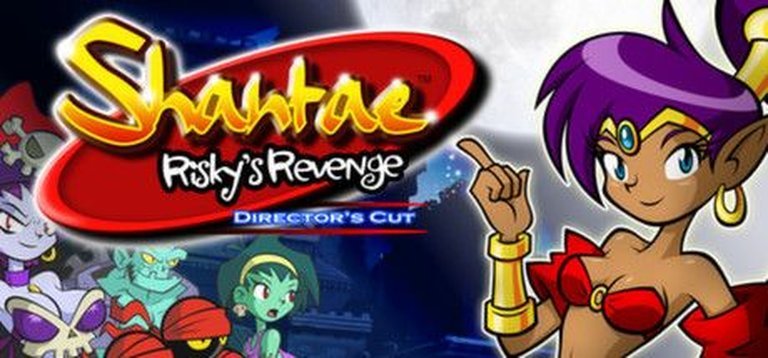
Shantae: Risky’s Revenge – Director’s Cut is an enhanced edition of the critically acclaimed Metroidvania-style adventure, featuring the half-genie heroine Shantae on a quest through interconnected worlds filled with enemies, puzzles, and platforming challenges. This edition introduces new features including a warp system for fast travel, Steam Achievements, Trading Cards, and Magic Mode—which grants Shantae increased magic power at the cost of doubled damage via a redesigned costume. Players utilize Shantae’s hair-whipping combat and transformative abilities while exploring vibrant 2D environments in this refined version of the classic action-platformer.
Gameplay Videos
Where to Buy Shantae: Risky’s Revenge – Director’s Cut
Shantae: Risky’s Revenge – Director’s Cut Guides & Walkthroughs
Shantae: Risky’s Revenge – Director’s Cut Reviews & Reception
mobygames.com (77/100): Shantae: Risky’s Revenge – Director’s Cut is a powder keg of high octane, hair-whipping, hip shaking action, now available on PC!
gog.com (82/100): Shantae: Risky’s Revenge – Director’s Cut is a powder keg of high octane, hair-whipping, hip shaking action, now available on PC!
opencritic.com (75/100): Shantae: Risky’s Revenge – Director’s Cut could have used some help with its map system, but literally everything else is spot-on.
Shantae: Risky’s Revenge – Director’s Cut: Review
Shantae: Risky’s Revenge – Director’s Cut is a testament to the enduring appeal of the Metroidvania genre, offering a rich and engaging experience that has captivated both critics and fans alike. This enhanced edition of the original 2010 release brings a host of new features and improvements, making it a must-play for both newcomers and veterans of the series. Let’s delve into the intricate details of this beloved game, exploring its development history, narrative depth, gameplay mechanics, world-building, and lasting legacy.
Introduction
In the realm of indie gaming, few titles have achieved the cult status that Shantae: Risky’s Revenge – Director’s Cut enjoys. Developed by WayForward Technologies, this Metroidvania classic has carved out a niche for itself with its charming protagonist, engaging gameplay, and vibrant world. The Director’s Cut, released in 2014, builds upon the original’s foundation, adding new features and polish that elevate the experience to new heights. This review aims to provide an exhaustive analysis of the game, examining its strengths and weaknesses, and ultimately determining its place in video game history.
Development History & Context
The Studio
WayForward Technologies, founded in 1990, is an American video game developer and publisher known for its work on various platforms, from handheld consoles to modern PCs. The studio has a reputation for creating visually stunning and mechanically sound games, often drawing inspiration from classic titles. Shantae: Risky’s Revenge – Director’s Cut is a prime example of WayForward’s ability to blend retro aesthetics with modern gameplay sensibilities.
The Creators’ Vision
The creators of Shantae: Risky’s Revenge – Director’s Cut had a clear vision: to create a game that paid homage to the Metroidvania genre while introducing fresh ideas and a unique protagonist. Matt Bozon, the director and producer, envisioned Shantae as a character who could appeal to a wide audience, breaking away from the typical male leads of the time. Erin Bozon, co-creator of Shantae, contributed significantly to the character’s design and backstory, ensuring that Shantae stood out in a crowded genre.
Technological Constraints of the Era
The original Shantae: Risky’s Revenge was released for the Nintendo DSi in 2010, a platform with limited graphical capabilities. The Director’s Cut, however, was developed for modern PCs and consoles, allowing the developers to push the visuals and performance to new levels. This transition from handheld to home console and PC required significant optimization and rethinking of certain gameplay elements, but the end result is a game that feels both nostalgic and contemporary.
The Gaming Landscape at the Time of Its Release
In 2014, the gaming landscape was dominated by big-budget AAA titles, but there was also a growing appreciation for indie games. Shantae: Risky’s Revenge – Director’s Cut capitalized on this trend, offering a polished and engaging experience that stood out in a crowded market. The game’s release on multiple platforms, including Steam, PlayStation 4, and Wii U, ensured that it reached a wide audience, further cementing its place in the Metroidvania canon.
Narrative & Thematic Deep Dive
Plot
The story of Shantae: Risky’s Revenge – Director’s Cut revolves around Shantae, a half-genie who serves as the guardian of Scuttle Town. The game begins with Shantae attending the annual Relic Hunters Expo, where her uncle Mimic unveils a mysterious magic lamp. The nefarious pirate Risky Boots crashes the event, stealing the lamp and defeating Shantae, leading to her dismissal as the town’s guardian. Undeterred, Shantae embarks on a quest to retrieve the lamp and thwart Risky’s plans, uncovering the secrets of the lamp and the true extent of Risky’s ambitions along the way.
Characters
Shantae is the heart of the game, with her unique blend of genie magic and human charm making her an endearing protagonist. Her supporting cast includes a variety of colorful characters, each with their own quirks and backstories. Rottytops, a sentient zombie girl, provides comic relief with her mischievous antics, while Sky, a war bird trainer, offers a more serious and grounded perspective. The game’s villains, particularly Risky Boots, are equally memorable, with their designs and personalities adding depth to the narrative.
Dialogue
The dialogue in Shantae: Risky’s Revenge – Director’s Cut is witty and engaging, often breaking the fourth wall to deliver humorous asides and references. This playful approach to storytelling helps to keep the player engaged, even during slower sections of the game. The voice acting is top-notch, with each character’s unique voice and mannerisms bringing them to life.
Themes
The game explores several themes, including the struggle between good and evil, the power of friendship, and the importance of perseverance. Shantae’s journey is one of self-discovery and growth, as she learns to embrace her dual nature and use her powers for the greater good. The game’s themes are woven seamlessly into the narrative, providing a rich and rewarding experience for players.
Gameplay Mechanics & Systems
Core Gameplay Loops
Shantae: Risky’s Revenge – Director’s Cut is a Metroidvania at its core, featuring exploration, combat, and puzzle-solving elements. The game’s world is filled with secrets and hidden paths, encouraging players to explore every nook and cranny. The combat system is fast and fluid, with Shantae’s hair-whip attack serving as her primary weapon. The game’s transformation abilities, which allow Shantae to take on the forms of various animals, add depth to the gameplay, providing new ways to navigate the environment and overcome obstacles.
Combat
The combat in Shantae: Risky’s Revenge – Director’s Cut is satisfying and challenging, with a variety of enemies and bosses that test the player’s skills. Shantae’s hair-whip attack is versatile, allowing her to attack from a distance or up close. The game’s magic system adds another layer of strategy, with a variety of spells that can be used to deal damage, heal, or provide other benefits.
Character Progression
Shantae’s progression is tied to her collection of Heart Holders and Magic Jams, which increase her health and magic power, respectively. As Shantae gains more power, she unlocks new abilities and transformations, allowing her to access previously inaccessible areas. This progression system encourages players to explore and experiment, finding new ways to use Shantae’s abilities.
UI
The user interface in Shantae: Risky’s Revenge – Director’s Cut is clean and intuitive, with all necessary information displayed clearly on the screen. The map system, while not perfect, provides a useful overview of the game’s world, helping players to navigate and plan their next moves. The game’s HUD is unobtrusive, allowing players to focus on the action without distraction.
Innovative or Flawed Systems
One of the most innovative features of the Director’s Cut is the Magic Mode, which allows Shantae to wear a redesigned version of the Dancer Costume from the iOS version of Risky’s Revenge. This mode doubles Shantae’s magic power but also doubles the damage she takes, adding a new layer of strategy to the gameplay. The game’s warp system is another standout feature, allowing players to quickly travel between previously visited locations, saving time and reducing frustration.
World-Building, Art & Sound
Setting
The world of Shantae: Risky’s Revenge – Director’s Cut is a vibrant and imaginative place, filled with a variety of environments, from bustling towns to treacherous dungeons. Each area is beautifully designed, with a unique aesthetic and atmosphere that immerses the player in the game’s world. The game’s art direction is a blend of retro and modern styles, with pixel art sprites and hand-drawn backgrounds creating a visually stunning experience.
Atmosphere
The game’s atmosphere is enhanced by its use of color and lighting, with each area having its own distinct palette and mood. The sound design is equally impressive, with a variety of environmental sounds and effects that bring the world to life. The game’s music, composed by Jake Kaufman, is a standout feature, with a catchy and memorable soundtrack that complements the gameplay perfectly.
Visual Direction
The visual direction of Shantae: Risky’s Revenge – Director’s Cut is a testament to the developers’ skill and attention to detail. The game’s art style is consistent and cohesive, with each character and environment designed to fit within the game’s unique aesthetic. The game’s animations are smooth and fluid, with a variety of expressions and movements that bring the characters to life.
Sound Design
The sound design in Shantae: Risky’s Revenge – Director’s Cut is top-notch, with a variety of sounds and effects that enhance the gameplay experience. The game’s voice acting is excellent, with each character’s unique voice and mannerisms adding depth to the narrative. The game’s music is a standout feature, with a catchy and memorable soundtrack that complements the gameplay perfectly.
Reception & Legacy
Critical & Commercial Reception at Launch
Shantae: Risky’s Revenge – Director’s Cut was met with critical acclaim upon its release, with many reviewers praising its engaging gameplay, charming characters, and vibrant world. The game’s score on Metacritic was 85/100, with critics highlighting its beautiful visuals, excellent soundtrack, and old-school style that took inspiration from the Castlevania and Metroid series. The game’s commercial reception was also strong, with over 115,000 units sold across various platforms.
Evolution of Its Reputation
Since its release, Shantae: Risky’s Revenge – Director’s Cut has continued to gain popularity, with a dedicated fan base that appreciates its unique blend of retro and modern elements. The game’s reputation has only grown over time, with many considering it one of the best Metroidvania games of its generation. The game’s influence can be seen in subsequent titles, with many developers citing it as an inspiration.
Influence on Subsequent Games and the Industry as a Whole
Shantae: Risky’s Revenge – Director’s Cut has had a significant impact on the Metroidvania genre, with its unique gameplay mechanics and charming protagonist inspiring a new generation of games. The game’s success has also paved the way for other indie developers, demonstrating that there is a market for high-quality, innovative games. The game’s legacy can be seen in the numerous sequels and spin-offs that have followed, each building upon the foundation laid by the original.
Conclusion
Shantae: Risky’s Revenge – Director’s Cut is a masterclass in Metroidvania design, offering a rich and engaging experience that stands the test of time. Its charming protagonist, engaging gameplay, and vibrant world make it a must-play for fans of the genre. The game’s development history, narrative depth, and technical achievements are all testament to the skill and dedication of its creators. In the pantheon of video game history, Shantae: Risky’s Revenge – Director’s Cut deserves a place of honor, as a game that pushed the boundaries of what was possible in the genre and inspired a new generation of players and developers.