
- Release Year: 2014
- Platforms: Android, iPad, iPhone, Macintosh, Windows
- Publisher: Jeux Kitfox Inc., WanXin Culture Technology Co., Ltd.
- Developer: Jeux Kitfox Inc.
- Genre: RPG, Strategy, Tactics
- Perspective: Diagonal-down
- Game Mode: Single-player
- Gameplay: Roguelike, RPG elements, Turn-based
- Setting: Fantasy, Sci-fi
- Average Score: 74/100
Description
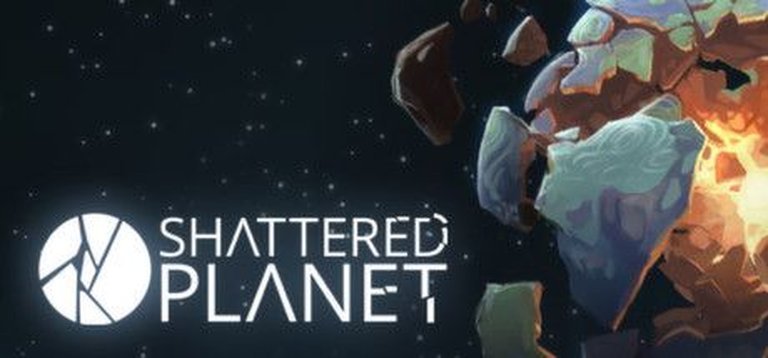
Shattered Planet is a turn-based roguelike RPG set in a distant future where Earth’s colonists, ravaged by an incurable disease, must return to their shattered homeworld in search of salvation. Combining strategic gameplay with RPG elements, players navigate a procedurally generated, isometric world filled with perilous challenges and dark humor, all while uncovering the mysteries of a dying planet.
Gameplay Videos
Where to Buy Shattered Planet
PC
Shattered Planet Cracks & Fixes
Shattered Planet Guides & Walkthroughs
Shattered Planet Reviews & Reception
metacritic.com (77/100): Shattered Planet has landed in the sweet spot between learnability and surprise that keeps each trip new, fresh, and entertaining.
en.wikipedia.org (77/100): Shattered Planet received positive reviews from critics, with a score of 77/100 on Metacritic.
rpgfan.com : Shattered Planet aligns itself more as a roguelite rather than roguelike, which isn’t necessarily a bad thing.
gamepressure.com (68/100): A survival adventure on a dangerous world, searching for the cure for an all-devouring darkness.
gamegrin.com : Shattered Planet is a roguelike survival game.
Shattered Planet: A Roguelike Odyssey of Death, Discovery, and Dark Humor
Introduction: The Clone’s Crucible
Shattered Planet (2014) is a game that thrives on the duality of futility and fascination. At its core, it is a turn-based roguelike where death is not just inevitable—it’s the entire point. You play as a disposable clone, one of many, sent to a fractured Earth to catalog alien life and uncover a cure for a galaxy-consuming plague known as the Blight. The game’s brilliance lies in its embrace of the roguelike ethos: failure is progress, and every demise is a lesson wrapped in dark humor.
Developed by Kitfox Games, a studio that would later carve its niche with titles like Moon Hunters and Boyfriend Dungeon, Shattered Planet stands as a testament to the studio’s early ambition. It’s a game that doesn’t just borrow from the roguelike genre—it distills its essence into a bite-sized, addictive loop of exploration, combat, and permadeath. Yet, it’s also a game that struggles with its own identity, caught between the depth of its systems and the shallowness of its narrative.
This review will dissect Shattered Planet in exhaustive detail, examining its development, narrative, gameplay mechanics, world-building, reception, and legacy. By the end, we’ll determine whether it’s a forgotten gem or a flawed experiment—and why it still matters in the pantheon of roguelikes.
Development History & Context: The Birth of a Roguelite
Kitfox Games: A Studio in Its Infancy
Shattered Planet was the debut title of Kitfox Games, a Montreal-based indie studio founded by Tanya X. Short, a designer with a background in psychology and a passion for emergent gameplay. The studio’s mission was to create games that blended deep systems with accessibility, and Shattered Planet was their first foray into this philosophy.
The game was developed using Unity, a choice that allowed for cross-platform compatibility—critical for a small team aiming to reach mobile and PC audiences simultaneously. The development cycle was relatively short, with the iOS version launching in March 2014, followed by Android in April, and PC/Mac in July. This rapid release schedule was a gamble, but it paid off in terms of visibility.
The Roguelike Renaissance
2014 was a pivotal year for roguelikes and roguelites. Games like Rogue Legacy (2013) and FTL: Faster Than Light (2012) had already proven that the genre could appeal beyond its niche audience. Shattered Planet entered this landscape with a unique hook: procedural storytelling through environmental exploration, rather than deep narrative.
The game’s turn-based, tile-driven combat and permadeath mechanics were familiar, but its isometric visuals (reminiscent of Bastion) and humorous tone set it apart. It was designed to be pick-up-and-play, a quality that made it ideal for mobile platforms but also limited its depth on PC.
Technological Constraints & Design Choices
Given its mobile roots, Shattered Planet was built with touch controls in mind, which translated awkwardly to PC. The mouse-driven movement and combat, while functional, lacked the precision of keyboard inputs. The procedural generation was robust but repetitive, with biomes and enemies recycling frequently.
The game’s save system was another mobile holdover—progress was tied to meta-upgrades rather than traditional saves, reinforcing the roguelike cycle. This design choice was intentional, but it also meant that players who craved narrative payoff would be left wanting.
Narrative & Thematic Deep Dive: Science, Sacrifice, and Satire
The Excuse Plot: A Galaxy in Peril
Shattered Planet’s story is minimal by design. In the year 10,000 A.D., humanity is on the brink of extinction due to the Blight, a creeping darkness that consumes all life. The only hope lies on the shattered remnants of Earth, where a mysterious signal seems to repel the plague.
You play as a clone, one of many expendable operatives sent to explore these floating landmasses. Your mission? Catalog alien life, retrieve artifacts, and survive long enough to find a cure. The narrative is delivered through environmental storytelling, item descriptions, and the occasional quip from your Gekko scientist handler, whose dry humor is one of the game’s highlights.
Themes: Futility, Discovery, and Dark Comedy
-
The Illusion of Progress
- Every clone is doomed. The Blight spreads relentlessly, and death is a reset. Yet, the game frames this as scientific progress—each failure is data, each death a step toward salvation.
- This mirrors real-world scientific endeavor, where failure is part of the process. The game’s tagline—“For Science!”—is both a rallying cry and a dark joke.
-
The Absurdity of Survival
- The game’s humor is Monty Python-esque, with death messages ranging from “You were eaten by a space sushi” to “You tripped over your own feet and died.”
- This levity contrasts with the existential dread of the Blight, creating a tone that’s both whimsical and bleak.
-
The Cost of Knowledge
- The Blight isn’t just a mechanic—it’s a metaphor for entropy. The more you explore, the more it spreads, turning benign creatures into monsters.
- The game asks: Is knowledge worth the cost? Every discovery accelerates your demise, yet you’re compelled to keep going.
Characters & Dialogue: Minimalist but Memorable
- The Gekko Scientist: Your only companion, a sarcastic, oxygen-breathing alien who dispenses advice with deadpan delivery. Their dialogue is the game’s primary source of personality.
- The Clones: Faceless, interchangeable, and doomed. Their lack of individuality reinforces the game’s themes of disposability and sacrifice.
- The Blight: The true antagonist—a cosmic force of decay that turns the planet against you.
Narrative Weaknesses
While the game’s environmental storytelling is effective, it lacks emotional weight. There’s no character arc, no grand revelation—just the Sisyphean cycle of exploration and death. For players seeking depth, this can feel hollow.
Gameplay Mechanics & Systems: The Roguelike Loop
Core Gameplay: Turn-Based Survival
Shattered Planet is a turn-based, tile-based roguelike with RPG elements. Each run begins with a clone descending onto a procedurally generated fragment of Earth. The goal? Reach the teleporter while avoiding the Blight, cataloging life, and scavenging resources.
Movement & Exploration
- Grid-Based Movement: Click to move, with each step consuming a turn.
- Fog of War: Unexplored areas are shrouded in darkness, revealing enemies and hazards as you approach.
- The Blight Mechanic: Spreads from your starting tile, turning terrain hazardous and enemies more aggressive. Managing its spread is key to survival.
Combat: Simple but Strategic
- Melee & Ranged Weapons: Swords, axes, guns, and even a rolled-up newspaper (a joke weapon).
- Elemental Damage: Some weapons deal fire, electric, or blunt damage, but enemy resistances are poorly communicated.
- No Traditional XP: Progress comes from scrap metal (permanent upgrades) and crystals (crafting).
Permadeath & Meta-Progression
- Death = Reset: Lose all gear, but retain scrap and crystals.
- Clone Upgrades: Spend scrap to permanently boost stats (health, attack, fate).
- Crafting: Use crystals to unlock new weapons and armor for future runs.
Innovative Systems
-
The Blight as a Timer
- Unlike other roguelikes, Shattered Planet forces you to move efficiently. Lingering too long means the Blight cuts off escape routes.
- Shovel Mechanic: Destroying tiles can quarantine the Blight, a brilliant tactical option.
-
Randomized Potions
- Unknown effects until used—some heal, some harm, some set you on fire.
- Encourages experimental gameplay but can also lead to frustrating deaths.
-
Daily Challenges
- A shared seed for all players, encouraging competition.
- Rewards persistence with unique gear.
Flawed Systems
- Poor Pathfinding
- The auto-pathing often leads you into danger, requiring manual tile-by-tile movement.
- Lack of Enemy Information
- No bestary or damage types—players must learn through trial and error.
- Repetitive Biomes
- After a few hours, the procedural generation feels samey.
World-Building, Art & Sound: A Shattered Aesthetic
Setting: A Planet in Pieces
The game’s world is Earth, but fractured—floating landmasses suspended in space, each with its own ecosystem. The art style is vibrant and cartoonish, evoking Bastion’s hand-painted charm.
- Biomes: Grasslands, deserts, tundras, and underground bases filled with killer robots.
- The Blight’s Visual Design: A creeping black mist that consumes the map, turning tiles red and hostile.
Sound Design: Whimsy Meets Dread
- Music: Lighthearted but forgettable, with biome-specific tracks that fade into the background.
- Sound Effects:
- Teleporter whir (satisfying).
- Blight spread (a subtle, ominous hum).
- Combat sounds (crunchy and impactful).
Atmosphere: A Balance of Humor and Horror
The game’s tone is uniquely contradictory—it’s funny when you die, but the Blight’s relentless spread creates genuine tension. The isometric perspective enhances this, making the world feel both vast and claustrophobic.
Reception & Legacy: A Mixed but Enduring Reputation
Critical Reception: “Clever, but Flawed”
- Metacritic (iOS): 77/100 (Generally Favorable).
- PC Gamer (64/100): Praised its charm but criticized its lack of depth.
- Mana Pool (8/10): Called it “incredibly hard, immensely fun.”
Player Reception: Divisive but Addictive
- Steam Reviews: Mixed (68%), with players either loving the roguelike loop or finding it too repetitive.
- Mobile Players: More positive, as the game’s short bursts suited the platform.
Legacy: A Stepping Stone for Kitfox Games
While Shattered Planet didn’t achieve cult classic status, it laid the groundwork for Kitfox’s later successes:
– Moon Hunters (2016): Expanded on procedural storytelling.
– Boyfriend Dungeon (2021): Refined the studio’s humor and accessibility.
Influence on the Genre
- Blight Mechanic: Inspired later games like Noita (2020), where environmental decay plays a key role.
- Daily Challenges: Popularized by Spelunky but refined here for competitive roguelikes.
Conclusion: A Flawed Gem Worth Unearthing
Shattered Planet is not a masterpiece, but it’s a fascinating experiment—a game that embraces the roguelike philosophy while stumbling in execution. Its humor, innovative mechanics, and dark themes make it memorable, even if its repetition and lack of depth hold it back.
Final Verdict: 7.5/10 – “A Clever, Charming, but Incomplete Roguelike”
- For Fans Of: FTL, Rogue Legacy, Bastion.
- Best Played In: Short bursts (ideal for mobile).
- Legacy: A cult favorite that deserves more recognition for its bold ideas, even if it doesn’t fully realize them.
Should You Play It?
– Yes, if you love roguelikes with personality and don’t mind grinding for progress.
– No, if you need deep narrative or polished mechanics.
In the end, Shattered Planet is like its protagonist—a clone doomed to die, but always coming back for one more try. And sometimes, that’s enough.