
- Release Year: 2023
- Platforms: Linux, Macintosh, Windows
- Publisher: Polycorne
- Developer: Polycorne
- Genre: Simulation
- Perspective: Diagonal-down
- Game Mode: Single-player
- Gameplay: City building, construction simulation, Open World, Sandbox
- Average Score: 57/100
Description
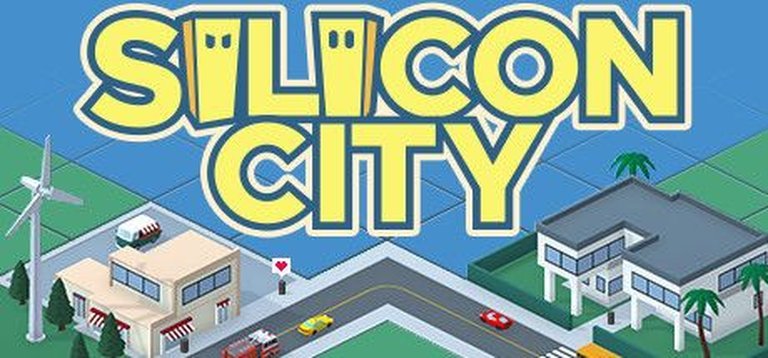
Silicon City is a modern city-building simulation game that harkens back to the classic simplicity of early titles like SimCity, while incorporating contemporary elements. Players design and manage their own urban landscapes, balancing infrastructure, public services, and citizen happiness without the overwhelming complexity of resource management found in newer entries. With a retro-inspired aesthetic and accessible gameplay, it offers a casual yet engaging experience for both newcomers and veterans of the genre, though some reviews note performance issues and limited depth.
Where to Buy Silicon City
PC
Silicon City Reviews & Reception
opencritic.com (60/100): Silicon City is a very original city building simulator with great room for improvement, which is clouded by its slowness and its problems in the game economy.
opencritic.com (30/100): Silicon City is a mediocre city builder with unintuitive UI design, tedious downtimes during gameplay, and frustrating performance issues on the larger maps.
opencritic.com : Silicon City does offer a challenge in building a city, but the framerate issues can be off-putting.
opencritic.com (70/100): Silicon City is a much more limited and stripped down version of the traditional city builder simulator you’ve grown to love since the 90s, with small map sizes and a somewhat limited amount of buildings to place, but it’s also faster to learn, as well as to simply pick up and play.
metacritic.com (75/100): Silicon City will be interesting to any fan of the city-building genre that loves the classics but feels more modern titles never captured their magic.
gamesasylum.com : The frequent crashes and problems on Mac made my experience with Silicon City unpleasant and frustrating.
waytoomany.games (70/100): Silicon City is a much more limited and stripped down version of the traditional city builder simulator you’ve grown to love since the 90s, with small map sizes and a somewhat limited amount of buildings to place, but it’s also faster to learn, as well as to simply pick up and play.
gamescreed.com (39/100): Polycorne managed to produce a great hit with the release of Silicon City into early access.
Silicon City Cheats & Codes
PC
Be in-game. Press CTRL and X together. Enter the code in the Command Console box.
| Code | Effect |
|---|---|
| weaknesspays | Gain $1000 |
| riskymoney | Gain $10,000. An earthquake will occur every four times used. |
| freddiemuney | Gain $1,000,000,000. An earthquake will occur every time used. |
| you don’t deserve it | Unlock all reward buildings |
| population increase | Gain 50,000 people for your city |
| fightthepower | No power requirement |
| howdryiam | No water requirement |
| stopwatch | Pause/resume the clock |
| whattimeizit [time] | Set the time of the day. Replace [time] with a time of your choice. |
| hellomynameis “[name]” | Change mayor name. Replace [name] with a name of your choice. |
| whererufrom “[name]” | Change city name. Replace [name] with a name of your choice. |
| fps | Display frame rate |
| barstuck | Stop news bar movement |
| terrainquery [on/off] | Show coordinates when hovering over an object |
| recorder | Open animation recorder menu |
| dollyllama | Make your advisors llamas. Enter the cheat again to turn it off. |
| zoneria | Hide empty zone color |
| gol | Turn the map into a simulation of “Conway’s Game of Life” |
| tastyzots | Toggle cell warnings |
| size of x | Increase magnification. (x = number between 1 and 100) |
Silicon City: A Retro Revival with Modern Ambitions
Introduction
In the ever-evolving landscape of city-building simulations, Silicon City emerges as a nostalgic yet innovative homage to the golden age of the genre. Developed by the French indie studio Polycorne, this game is a love letter to the classics of the 1990s, particularly SimCity, while incorporating modern mechanics and a unique focus on citizen interaction. Released in June 2023 after a two-year early access period, Silicon City aims to carve its niche by blending retro aesthetics with contemporary gameplay sensibilities. This review delves deep into the game’s development, mechanics, narrative, and reception, offering a comprehensive analysis of its place in the city-building pantheon.
Development History & Context
The Birth of Polycorne and the Vision Behind Silicon City
Polycorne, founded in September 2020 by Aurélien Jacquot and Jérémie Darciaux, is a small indie studio based in the French Alps. The duo’s journey began in 2010 with a car traffic simulator project, which laid the groundwork for their eventual foray into game development. Silicon City is their debut title, a passion project that reflects their admiration for classic city builders like SimCity and SimTown.
The game entered early access in October 2021, allowing Polycorne to gather player feedback and refine its mechanics. This iterative development process was crucial, as the studio lacked prior experience in game development, particularly in optimizing performance for larger cities. The early access phase highlighted the challenges of balancing simplicity with depth, a theme that would define Silicon City‘s identity.
Technological Constraints and the Unity Engine
Silicon City is built using the Unity engine, a popular choice for indie developers due to its accessibility and flexibility. However, the studio’s inexperience with game development led to initial performance issues, particularly with multi-threading. As Polycorne noted in their post-release roadmap, much of the game’s code ran on Unity’s main thread, causing significant slowdowns as cities grew beyond 1,000 citizens. This technical hurdle underscored the learning curve for developers transitioning from software to game development.
The Gaming Landscape at Release
The city-building genre has seen a resurgence in recent years, with titles like Cities: Skylines dominating the market. However, Silicon City positions itself as a more accessible, retro-inspired alternative. Its release in June 2023 coincided with a growing demand for simpler, more casual city builders, catering to both newcomers and veterans seeking a nostalgic experience. The game’s focus on citizen happiness and procedural generation sets it apart from its more complex counterparts, offering a refreshing take on urban planning.
Narrative & Thematic Deep Dive
The Role of the Mayor and the Silizens
At its core, Silicon City is a game about governance and empathy. Players assume the role of a newly elected mayor tasked with transforming an empty plot of land into a thriving metropolis. The game’s narrative revolves around the relationship between the player and their citizens, affectionately dubbed “Silizens.” Each Silizen is a unique entity with distinct needs, opinions, and personalities, adding a layer of depth to the city-building experience.
The game’s central theme is the delicate balance between urban development and citizen well-being. Silizens are not mere statistics; they are vocal participants in the city’s growth, expressing their satisfaction or discontent through a Twitter-like social network called Barkr. This interactive feedback loop forces players to consider the human impact of their decisions, whether it’s placing a park to boost happiness or adjusting tax rates to alleviate financial strain.
The Election Cycle and Political Pressure
Silicon City introduces a political dimension rarely seen in city builders. Players must navigate a five-year election cycle, during which their popularity is constantly scrutinized. Success hinges on meeting the Silizens’ demands, from providing adequate housing and jobs to ensuring access to entertainment and public services. Failure to address these needs can lead to protests, declining land values, and ultimately, electoral defeat.
This mechanic adds a layer of urgency and consequence to the gameplay. Unlike traditional city builders where the primary goal is expansion, Silicon City challenges players to maintain a harmonious balance between growth and citizen satisfaction. The threat of losing an election serves as a constant reminder that a city is more than just buildings and infrastructure—it’s a living, breathing community.
Procedural Generation and Unique City Layouts
One of Silicon City‘s standout features is its procedural generation system, which ensures that no two cities are alike. Buildings, roads, and even Silizen profiles are generated dynamically, creating a sense of unpredictability and replayability. This system is a nod to classic city builders, where emergent gameplay and player creativity were paramount.
The game offers over 50 unique building types, each with its own statistical properties and visual design. This variety allows players to experiment with different urban layouts, from sprawling residential districts to compact commercial hubs. The procedural generation also extends to the game’s weekly challenges, where players can compete for the title of “Mayor of the Week,” adding a competitive edge to the experience.
Gameplay Mechanics & Systems
Core Gameplay Loop: Building and Managing a City
Silicon City adheres to the classic city-building formula while streamlining some of the genre’s more complex mechanics. The core gameplay loop involves zoning areas for residential, commercial, and industrial use, managing resources, and ensuring the well-being of Silizens. Unlike Cities: Skylines, which can overwhelm players with intricate systems, Silicon City simplifies resource management by eliminating the need for water pipes and other utilities, focusing instead on electricity and road networks.
The game’s grid-based system is reminiscent of SimCity 2000, offering a familiar yet modernized experience. Players start with a small budget and must carefully allocate funds to build roads, power grids, and essential services. As the city grows, so do the challenges, from traffic congestion to pollution and crime. The game’s pacing is deliberate, allowing players to gradually expand their city without feeling rushed.
Citizen Management and the Barkr Social Network
A defining feature of Silicon City is its emphasis on citizen interaction. Silizens are not passive entities; they actively communicate their needs and grievances through Barkr, the game’s in-built social network. This system provides real-time feedback on the city’s performance, highlighting issues such as unemployment, high taxes, or inadequate public services.
Players can respond to Silizen complaints by adjusting policies, building new facilities, or even engaging in direct dialogue. This interactive element fosters a sense of connection between the player and their virtual citizens, making the city feel alive and dynamic. However, the system is not without its flaws. As the city grows, managing individual Silizen requests can become overwhelming, leading to a loss of personal connection.
Traffic and Transportation: A Work in Progress
Traffic management is a critical aspect of Silicon City, though it is one of the game’s weaker points. The current system lacks public transportation options, relying solely on road networks to facilitate movement. While the game’s traffic simulation is functional, it can lead to congestion in larger cities, particularly during peak hours.
Polycorne has acknowledged this limitation and has plans to introduce public transportation in future updates. The addition of buses, trains, and parking lots would significantly enhance the game’s depth, allowing players to create more efficient and sustainable cities. Until then, traffic management remains a simplistic but necessary part of the gameplay.
Financial Management and Economic Balance
Silicon City offers a straightforward yet effective financial system. Players must balance their budget by managing income from taxes and expenditures on public services. The game provides clear visual aids, such as graphs and breakdowns, to help players track their financial health. Adjusting tax rates has immediate effects on the city’s economy, allowing players to experiment with different fiscal policies.
However, the game’s economic system is not without its quirks. Money quickly becomes less of a challenge as the city grows, reducing the tension around financial management. Additionally, the lack of a loan system in the early game can make initial expansion difficult, though this feature is unlocked later in the Classic mode.
Sandbox Mode and Creative Freedom
For players seeking a more relaxed experience, Silicon City offers a Sandbox mode with unlimited funds and access to all buildings. This mode is perfect for experimentation and creative expression, allowing players to design their dream city without the constraints of budget or citizen demands. The Sandbox mode also supports modding, enabling players to share their creations with the community.
World-Building, Art & Sound
Retro Aesthetics and Visual Design
Silicon City embraces a retro visual style that pays homage to the city builders of the 1990s. The game’s low-poly buildings and isometric perspective evoke the charm of SimCity 2000, while its modern lighting and animation techniques add a contemporary polish. The art direction is minimalist yet effective, with a color palette that, while somewhat dark, creates a cohesive and immersive urban environment.
The game’s procedural generation ensures that each city has a unique look and feel. Buildings are generated dynamically, creating a sense of organic growth and variety. However, the Silizens themselves are represented as simple black rectangles, a design choice that has drawn mixed reactions. While this abstract representation aligns with the game’s retro aesthetic, it can feel jarring in a game that otherwise emphasizes citizen interaction.
Atmosphere and Immersion
Silicon City excels in creating a sense of atmosphere, thanks in part to its ambient soundtrack. The game’s electronic and chill music provides a relaxing backdrop to the city-building experience, enhancing the sense of immersion. The sound design is subtle but effective, with environmental noises such as traffic and construction adding to the city’s bustling ambiance.
The game’s UI is functional but somewhat cluttered, particularly in the early stages. While the interface provides easy access to essential information, its design can feel overwhelming, especially for newcomers. Polycorne has addressed some of these issues in post-release updates, but further refinements would improve the overall user experience.
The Role of Music and Sound Effects
The soundtrack of Silicon City is one of its strongest assets. The game’s electronic and ambient tracks create a soothing atmosphere, making the city-building process feel more meditative. The sound effects, from the hum of traffic to the chatter of Silizens, add depth to the urban environment, reinforcing the sense of a living, breathing city.
However, the lack of voice acting is noticeable, particularly in a game that emphasizes citizen interaction. While the Barkr system provides textual feedback, the absence of vocal cues can make Silizen communication feel impersonal. The addition of voice acting in future updates could significantly enhance the game’s immersion.
Reception & Legacy
Critical Reception: A Mixed but Promising Debut
Silicon City received a mixed but generally positive reception upon its release. Critics praised the game’s retro aesthetics, accessible gameplay, and emphasis on citizen interaction. GamesCreed awarded the game an 80%, highlighting its appeal to both newcomers and veterans of the genre. Softpedia gave it a 75%, commending its modern take on classic mechanics, while Games Asylum scored it 70%, noting its potential for growth.
However, the game was not without its detractors. Gameluster gave Silicon City a scathing 30%, citing performance issues, unintuitive UI design, and tedious gameplay. LadiesGamers also noted framerate problems, particularly on larger maps, which detracted from the overall experience. These criticisms underscored the game’s technical limitations, particularly in its early access phase.
Commercial Performance and Community Feedback
Despite its mixed critical reception, Silicon City found a niche audience among city-building enthusiasts. The game’s early access period allowed Polycorne to gather valuable feedback, leading to significant improvements in performance and UI design. The studio’s transparency and responsiveness to player concerns earned them goodwill within the community, fostering a loyal fanbase.
The game’s commercial success was modest but steady, with a steady stream of updates and DLCs planned for the future. Polycorne’s commitment to post-release support, including the addition of public transportation and new building types, suggests a long-term vision for Silicon City as a living, evolving experience.
Influence on the Genre and Future Prospects
Silicon City represents a bold experiment in blending retro aesthetics with modern gameplay mechanics. Its emphasis on citizen interaction and procedural generation offers a fresh perspective on the city-building genre, challenging the dominance of more complex simulators like Cities: Skylines. While it may not revolutionize the genre, it carves out a unique niche for players seeking a more casual and nostalgic experience.
The game’s legacy will likely be defined by its post-release evolution. Polycorne’s roadmap includes ambitious updates, such as the introduction of public transportation and expanded modding support. If successful, these additions could elevate Silicon City from a promising debut to a standout entry in the city-building canon.
Conclusion: A Retro Gem with Room to Grow
Silicon City is a charming and ambitious debut from Polycorne, offering a refreshing take on the city-building genre. Its retro aesthetics, emphasis on citizen interaction, and accessible gameplay make it a compelling choice for both newcomers and veterans. However, the game is not without its flaws, particularly in performance and UI design, which can detract from the overall experience.
Despite these shortcomings, Silicon City is a game with immense potential. Polycorne’s commitment to post-release support and community engagement suggests a bright future for the title. With continued updates and refinements, Silicon City could evolve into a modern classic, bridging the gap between the golden age of city builders and the contemporary gaming landscape.
Final Verdict: 7.5/10 – A Promising Debut with Room for Growth
Silicon City is a love letter to the city-building genre’s past, with a firm eye on its future. While it may not dethrone the giants of the genre, it offers a unique and enjoyable experience that is well worth the time of any urban planning enthusiast.