
- Release Year: 2015
- Platforms: Windows
- Publisher: Ironclad Games Corporation
- Developer: Ironclad Games Corporation
- Genre: Strategy, Tactics
- Perspective: Diagonal-down
- Game Mode: Online PVP
- Gameplay: Crafting, MOBA, Quest system
- Setting: Fantasy
- Average Score: 64/100
Description
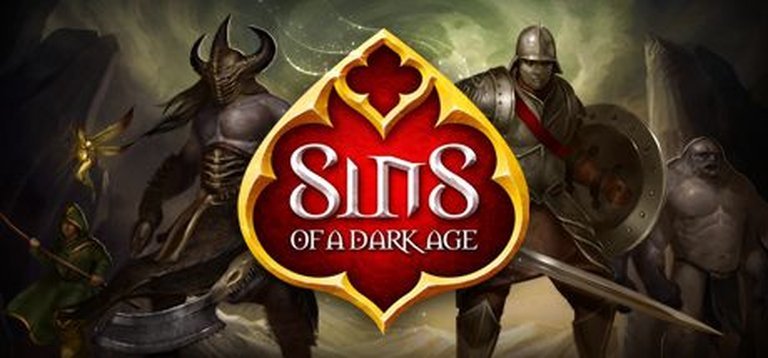
Sins of a Dark Age is a free-to-play MOBA set in a dark fantasy universe, developed by Ironclad Games, the team behind Sins of a Solar Empire. The game features a unique Quest system that allows players to complete additional objectives during matches for extra rewards, alongside standard MOBA gameplay. All characters are free to play, with customizable equipment, skins, and lore-driven content unlockable through loot drops or the Steam Marketplace. Despite its innovative mechanics and rich setting, the game ceased development in 2015 and shut down its servers in 2016 due to an unsustainable player base.
Gameplay Videos
Sins of a Dark Age Guides & Walkthroughs
Sins of a Dark Age Reviews & Reception
steambase.io (67/100): Sins of a Dark Age has earned a Player Score of 67 / 100.
lanepushinggames.wordpress.com : Sins of a Dark Age was reportedly going to merge the genres of RTS and MOBA to create something greater than the sum of its parts.
mmos.com (62/100): Sins of a Dark Age is a dark fantasy-themed MOBA with a unique hero customization system.
mobygames.com : Sins of a Dark Age is a free-to-play MOBA in the vein of League of Legends, Dota 2 and Heroes of the Storm.
Sins of a Dark Age: A Bold Experiment That Faded Into Obscurity
Introduction
Sins of a Dark Age (2015) is a cautionary tale of ambition, innovation, and the brutal realities of the MOBA genre’s competitive landscape. Developed by Ironclad Games—the studio behind the critically acclaimed Sins of a Solar Empire—this dark fantasy MOBA dared to challenge the dominance of League of Legends and Dota 2 with a unique quest system, deep hero customization, and a vision to merge RTS and MOBA mechanics. Yet, despite its bold ideas, the game struggled to carve out a niche in an oversaturated market, ultimately shutting down its servers less than a year after launch.
This review explores Sins of a Dark Age in exhaustive detail, examining its development history, narrative and thematic depth, gameplay mechanics, artistic direction, and the factors that led to its untimely demise. Through this analysis, we aim to understand not just what the game was, but what it could have been—and why it remains a fascinating footnote in MOBA history.
Development History & Context
The Studio Behind the Game
Ironclad Games, a Canadian studio founded in 2004, had already established itself as a powerhouse in the real-time strategy (RTS) genre with Sins of a Solar Empire (2008), a critically acclaimed 4X space strategy game. The studio’s expertise in large-scale strategy and deep mechanical systems made it an intriguing candidate to tackle the MOBA genre, which was rapidly evolving from a mod (Defense of the Ancients) into a global esports phenomenon.
The decision to develop Sins of a Dark Age was driven by a desire to innovate within the MOBA space. Initially, the game was conceived as a hybrid of RTS and MOBA, inspired by Demigod (2009), where one player per team would act as a “commander” managing macro-strategy (building units, controlling towers, and issuing orders) while the rest played as traditional MOBA heroes. This ambitious design aimed to blend the tactical depth of RTS with the hero-focused gameplay of MOBAs, creating a experience that was greater than the sum of its parts.
The Shift from RTS-MOBA Hybrid to Pure MOBA
However, as detailed in interviews with producer Blair Fraser, the hybrid model proved unworkable in practice. Key issues included:
- Asymmetrical Power Dynamics: Heroes in MOBAs accumulate permanent power through items, while commanders relied on buildings that could be destroyed, leaving them ineffective if their infrastructure was dismantled.
- Balancing Nightmares: Heroes were too adaptable, rendering traditional RTS strategies like rushing or teching unviable. Either commanders were too weak against concentrated hero teams, or heroes couldn’t keep up with the commander’s global presence.
- Player Experience Mismatch: The hybrid model created a disjointed experience where one player (the commander) had a fundamentally different role than the rest, leading to frustration and imbalance.
Facing these challenges, Ironclad pivoted during the beta phase, abandoning the RTS hybrid in favor of a more traditional MOBA with RPG elements. This shift was a pivotal moment in the game’s development, as it forced the team to rethink their core design philosophy.
The MOBA Landscape in 2015
By the time Sins of a Dark Age launched on May 8, 2015, the MOBA genre was dominated by three titans:
– League of Legends (2009), with its massive player base and esports scene.
– Dota 2 (2013), the more complex, hardcore alternative.
– Heroes of the Storm (2015), Blizzard’s streamlined, team-focused take on the genre.
Other contenders, such as Strife (2014) and Smite (2014), had already struggled to gain traction. The market was saturated, and player expectations were high. For a new MOBA to succeed, it needed either a revolutionary mechanic or a unique hook to stand out.
The Quest System: A Double-Edged Sword
Ironclad’s answer was the Quest System, a dynamic objective system that introduced randomized, time-limited quests during matches. These quests—ranging from slaying dragons to escorting units or capturing objectives—were designed to break the monotony of traditional lane-pushing and add strategic variety. However, as we’ll explore later, the execution of this system was flawed, and it ultimately failed to differentiate the game enough to attract a sustainable player base.
Launch and Shutdown
Sins of a Dark Age launched as a free-to-play title on Steam, with all heroes unlocked from the start—a rarity in the genre at the time. Despite this player-friendly approach, the game struggled to retain an audience. On June 30, 2015, just two months after launch, Ironclad announced the cessation of further development, citing an unsustainable player base. The servers were shut down on March 30, 2016, marking the end of the game’s brief lifespan.
Narrative & Thematic Deep Dive
The Dark Fantasy Setting
Sins of a Dark Age is set in a grim, high-fantasy world where gods, monsters, and mortal heroes clash in an eternal struggle for dominance. The game’s lore draws heavily from classic dark fantasy tropes, with a focus on moral ambiguity, ancient curses, and the corrupting influence of power. Unlike the more whimsical or cartoonish aesthetics of League of Legends or Heroes of the Storm, Sins of a Dark Age embraced a darker, grittier tone, reminiscent of Warhammer Fantasy or Diablo.
Characters and Lore
The game’s hero roster, though small (around 25 playable characters), was designed with deep backstories and unique personalities. Each hero was tied to the game’s overarching narrative, which revolved around the consequences of a cataclysmic event known as the “Sundering.” This event shattered the world, unleashing dark forces and setting the stage for the game’s conflicts.
Key themes in the narrative include:
– The Corruption of Power: Many heroes are former champions or nobles who have been twisted by dark magic or their own ambitions.
– Redemption and Sacrifice: Several characters are on quests to atone for past sins or save their people from destruction.
– The Struggle Against Fate: The game’s lore suggests that the world is doomed, and the heroes’ battles are a desperate attempt to delay the inevitable.
Storytelling Through Gameplay
One of the game’s most innovative features was its integration of lore into gameplay. Players could earn short stories as rewards for completing matches, which expanded on the game’s narrative and provided deeper insights into the characters and world. These stories were crafted from loot drops and could be traded or purchased on the Steam Marketplace, adding a collectible element to the game.
Additionally, the Quest System was thematically tied to the game’s lore. Quests weren’t just random objectives; they were framed as part of the world’s ongoing struggles. For example:
– The Veric Plague: Players had to cull swarms of plague-infected rats, tying into the game’s themes of corruption and decay.
– Necromancer’s Bargain: This quest involved capturing cursed artifacts, reinforcing the game’s dark fantasy tone.
– Path to Ascension: A pilgrimage quest where players carried a sacred chalice across the map, symbolizing a journey of redemption.
Dialogue and Voice Acting
The game’s dialogue and voice acting were praised for their depth and authenticity. Heroes had unique voice lines that reflected their personalities and backstories, and interactions between characters during matches added flavor to the experience. However, the lack of a full-fledged campaign or cinematic storytelling meant that much of the lore was relegated to background material, accessible only to players who sought it out.
Thematic Strengths and Weaknesses
Strengths:
– Rich World-Building: The dark fantasy setting was well-realized, with a cohesive aesthetic and deep lore.
– Integration of Lore and Gameplay: The quest system and short stories made the world feel alive and dynamic.
– Moral Complexity: The game’s themes of corruption, redemption, and struggle against fate added depth to the narrative.
Weaknesses:
– Underutilized Potential: The lore was often overshadowed by the gameplay, and many players likely missed the deeper narrative elements.
– Lack of a Campaign: Without a single-player or cooperative campaign, the story remained fragmented and difficult to follow.
– Limited Hero Roster: The small number of heroes meant that the narrative depth was spread thin, with fewer opportunities for character development.
Gameplay Mechanics & Systems
Core Gameplay Loop
At its core, Sins of a Dark Age followed the traditional MOBA formula: two teams of five players battle to destroy the enemy’s base by pushing through lanes, defeating minions, and taking down towers. However, the game introduced several unique mechanics to differentiate itself from competitors.
The Quest System: Innovation or Gimmick?
The Quest System was the game’s marquee feature, designed to add variety and strategic depth to matches. Quests appeared at regular intervals (approximately every five minutes) and offered teams optional objectives to complete for rewards. These quests were randomized, with the next three quests displayed in advance to allow for strategic planning.
Types of Quests:
1. Necromancer’s Bargain: Capture and hold five semi-randomly spawned artifacts to earn points.
2. Valkryn’s Watch: Control a specific area with more heroes than the enemy team to accumulate points.
3. The Veric Plague: Collect pelts from plague rats in the jungle; killing enemy heroes steals their pelts.
4. Slay the Dragon: Defeat a powerful dragon boss for team-wide gold and buffs.
5. Path to Ascension: Carry a sacred chalice to seven locations across the map.
6. Divine Lost Army: Escort a unit from your base to a designated point.
7. Tower Siege: Destroy an enemy tower while building a catapult to assist in the siege.
Rewards:
– Gold and Experience: Basic rewards for participation.
– Adventurer’s Bounty: A stacking buff that provided permanent bonuses (e.g., +10% damage to minions, +8% movement speed, magic damage reduction for nearby troops).
– Quest-Exclusive Items: Temporary or permanent items that could aid in pushing or combat.
Critique of the Quest System:
While the Quest System was innovative, it suffered from several critical flaws:
– Pacing Issues: Quests appeared too infrequently (every five minutes), leading to long downtimes where players reverted to standard MOBA gameplay. This undermined the system’s potential to keep matches dynamic.
– Map Size Problems: The large map made traversing to quest locations tedious, especially for solo players.
– Lack of Simultaneous Quests: Only one quest was active at a time, limiting strategic depth. Overlapping quests (e.g., Slay the Dragon and Valkryn’s Watch in the same location) could have created more interesting tactical decisions.
– Reward Structure: Quest-specific items were often niche, failing to motivate all players. A universal resource (e.g., “quest points” to spend on desired items) would have been more effective.
Hero Design and Customization
Sins of a Dark Age featured a small but diverse roster of heroes, each with unique abilities, passives, and playstyles. The hero design was heavily influenced by League of Legends, with similar resource systems (e.g., Energy, Rage) and ability structures.
Key Features:
– Glyphs: The game’s take on “summoner spells,” Glyphs were treated as regular abilities that could be leveled up during matches. Unlike League of Legends, where summoner spells are chosen pre-game, Glyphs in Sins of a Dark Age were selected and upgraded using a separate skill point system awarded at odd-numbered levels.
– Example: The Portal Glyph allowed teleportation to allied towers and could be upgraded to reduce cooldown, speed up channeling, or provide additional buffs.
– Hero Gear and Treasures: Players could customize their heroes with pre-game equipment that boosted stats. This system was similar to League of Legends’ runes but offered more flexibility.
– Passive Modifications: Some pre-game passives could alter hero abilities, adding a layer of customization. For example:
– Harvest Horn: Enhanced a hero’s healing ability to grant additional health and mana over time.
– Bolstering Shield: Granted movement speed to allies affected by a defensive ability.
Critique:
– Limited Hero Pool: With only around 25 heroes, the game lacked the variety of its competitors.
– Underwhelming Customization: While the Glyph and passive systems were innovative, they often provided only minor buffs rather than game-changing modifications.
– Steep Learning Curve: The depth of customization options could overwhelm new players, especially when combined with the quest system.
Combat and Progression
Combat in Sins of a Dark Age was visceral and physics-driven, with a strong emphasis on animation and impact. The game’s Iron Engine (also used in Sins of a Solar Empire) allowed for dynamic physics, making battles feel weighty and chaotic. Bodies would flail, fly, and flop realistically, adding a layer of immersion rarely seen in MOBAs.
Progression:
– Leveling: Heroes gained experience through killing minions, enemies, and completing quests, unlocking new abilities and Glyph upgrades.
– Itemization: The game featured a standard MOBA item shop, with equipment that could be crafted from loot drops or purchased with in-game currency.
– Crafting and Trading: Players could craft skins, gear, and lore items from loot drops, which could also be traded on the Steam Marketplace.
Critique:
– Balancing Issues: Some heroes and items were overpowered or underwhelming, leading to an uneven meta.
– Lack of Depth: The combat, while visually impressive, lacked the mechanical depth of Dota 2 or the polished feel of League of Legends.
UI and Accessibility
The game’s UI was functional but unremarkable, with a standard MOBA layout (minimap, ability bars, item slots). However, the quest tracking system was well-implemented, clearly displaying active and upcoming quests to help players plan their strategies.
Critique:
– Cluttered Interface: The addition of quest tracking and Glyph management could make the UI feel overwhelming, especially for new players.
– Lack of Tutorials: The game’s steep learning curve was exacerbated by a lack of comprehensive tutorials or guided experiences.
World-Building, Art & Sound
Visual Design: A Dark Fantasy Masterpiece
Sins of a Dark Age’s art direction was one of its strongest aspects, setting it apart from the more colorful or cartoonish aesthetics of other MOBAs. The game embraced a grimdark fantasy style, with:
– Gothic Architecture: Towers, buildings, and environmental structures featured intricate, decaying designs reminiscent of Warhammer or Dark Souls.
– Monster Design: Creep camps and boss monsters (e.g., the Hydra) were grotesque and detailed, reinforcing the game’s dark tone.
– Hero Aesthetics: Heroes were designed with a mix of medieval and fantastical elements, avoiding the anime-inspired looks of League of Legends or the exaggerated proportions of Smite.
Critique:
– Color Palette: Some players criticized the game’s dark and muted color palette, which could make it difficult to distinguish between units and environments.
– Minion Size: The small size of minions was a common complaint, as it made them hard to target during chaotic team fights.
Sound Design: Atmospheric and Immersive
The game’s sound design was atmospheric, with a mix of eerie ambient tracks, intense battle music, and high-quality voice acting. Key features included:
– Dynamic Soundtrack: The music shifted between tense, ambient tracks during exploration and bombastic, orchestral pieces during combat.
– Voice Acting: Heroes had unique voice lines that reflected their personalities, adding depth to the experience.
– Sound Effects: Spells, attacks, and environmental interactions were crisp and impactful, enhancing the game’s visceral combat.
Critique:
– Lack of Memorable Themes: While the sound design was competent, it lacked the iconic, memorable tracks of games like League of Legends or Heroes of the Storm.
World-Building: A Living, Breathing Dark Fantasy Realm
The game’s world was richly detailed, with a cohesive lore that tied together the heroes, quests, and environment. The Sundering event served as a unifying narrative thread, explaining the world’s ruined state and the ongoing conflicts between factions.
Critique:
– Underutilized Lore: Much of the world-building was relegated to optional short stories and environmental details, meaning that players who didn’t engage with these elements missed out on the deeper narrative.
– Lack of Environmental Storytelling: Unlike games like Dark Souls, where the environment itself tells a story, Sins of a Dark Age’s maps were largely functional rather than narrative-driven.
Reception & Legacy
Critical Reception: Mixed but Promising
Sins of a Dark Age received mixed reviews on Steam, with a Steambase Player Score of 67/100 based on 1,058 reviews. Critics and players alike praised the game’s innovative quest system, dark fantasy aesthetic, and hero customization but criticized its steep learning curve, balancing issues, and lack of polish.
Positive Aspects:
– Quest System: Many players enjoyed the dynamic objectives, which added variety to matches.
– Hero Customization: The Glyph and passive systems were seen as a step forward in MOBA customization.
– Art and Sound: The game’s dark fantasy visuals and atmospheric sound design were widely praised.
Negative Aspects:
– Steep Learning Curve: The game’s complexity and lack of tutorials alienated casual players.
– Balancing Issues: Some heroes and quests were overpowered or underwhelming, leading to frustration.
– Small Player Base: The game struggled to retain players, leading to long queue times and a toxic community.
Commercial Failure and Shutdown
Despite its innovations, Sins of a Dark Age failed to attract a sustainable player base. The MOBA market in 2015 was dominated by League of Legends, Dota 2, and Heroes of the Storm, leaving little room for new entrants. Additionally, the game’s steep learning curve and lack of polish made it difficult to compete with more established titles.
On June 30, 2015, Ironclad announced the cessation of further development, citing an unsustainable player base. The servers were shut down on March 30, 2016, less than a year after launch.
Legacy: A Bold Experiment That Fell Short
Sins of a Dark Age is remembered as a bold but flawed experiment in MOBA design. Its quest system and hero customization were ahead of their time, but the game’s execution and market timing doomed it to obscurity. Today, it serves as a cautionary tale for indie developers attempting to break into oversaturated genres.
Influence on Later Games:
– Quest Systems in MOBAs: While Sins of a Dark Age’s quest system wasn’t widely adopted, later games like Heroes of the Storm and Smite experimented with dynamic objectives and event-based gameplay.
– Hero Customization: The game’s Glyph and passive systems influenced later MOBAs to explore deeper customization options.
– Dark Fantasy Aesthetics: The game’s grimdark visuals paved the way for darker-themed MOBAs like Strife and Gigantic.
Conclusion: A Game Ahead of Its Time
Sins of a Dark Age was a game of ambition and innovation, but it ultimately succumbed to the harsh realities of the MOBA market. Its quest system, hero customization, and dark fantasy aesthetic were all steps in the right direction, but the game’s execution was flawed, and its timing was unfortunate.
Final Verdict:
– Innovation: 8/10 – The quest system and Glyph customization were genuinely fresh ideas.
– Gameplay: 6/10 – Solid but unremarkable, with balancing issues and pacing problems.
– Art and Sound: 9/10 – A masterclass in dark fantasy aesthetics.
– Narrative: 7/10 – Rich lore but underutilized in gameplay.
– Legacy: 7/10 – A cautionary tale, but one that pushed the genre forward.
Sins of a Dark Age may not have been a commercial success, but it remains a fascinating experiment in MOBA design. For those willing to look past its flaws, it offers a glimpse of what could have been—a darker, more dynamic take on the genre that dared to challenge the status quo. In the end, it’s a game that deserves to be remembered not for its failure, but for its ambition.
Rating: 6.5/10 – A Flawed Gem