
- Release Year: 2011
- Platforms: Windows
- Publisher: astragon Software GmbH, Excalibur Publishing Limited
- Developer: GIANTS Software GmbH
- Genre: Simulation, Sports
- Perspective: First-person
- Game Mode: Single-player
- Gameplay: Business simulation, Managerial, Skiing, Snowboarding
- Setting: Modern
- Average Score: 50/100
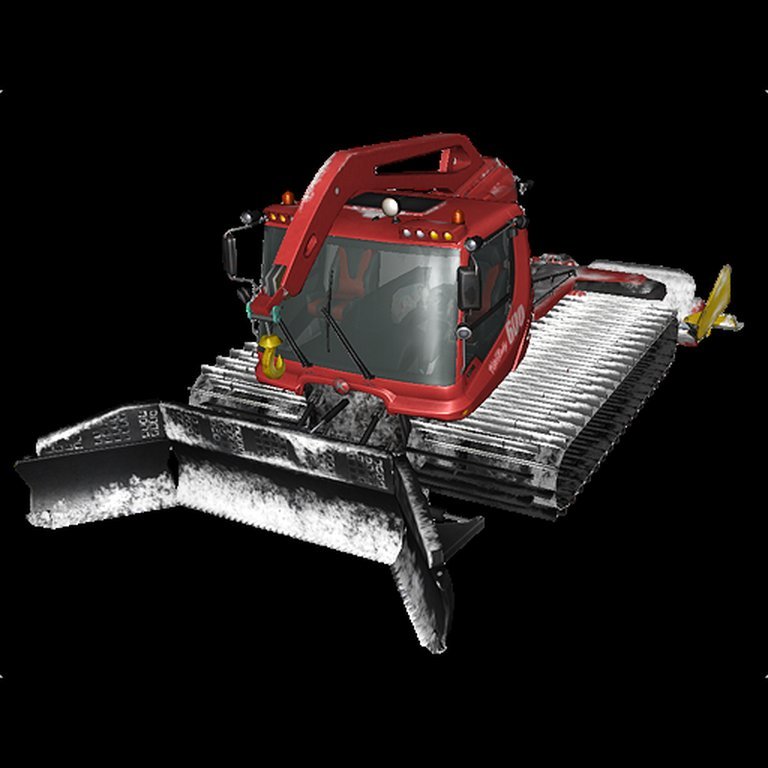
Description
Ski Region Simulator 2012 is a managerial and business simulation game where players take on the role of running a ski resort. The game involves managing various aspects of the resort, such as maintaining ski slopes, operating ski lifts, and ensuring the satisfaction of guests. Players can also engage in skiing and snowboarding activities, adding a hands-on element to the simulation. The game is set in a detailed, albeit somewhat dated, 3D environment and offers a unique blend of business management and winter sports.
Gameplay Videos
Ski Region Simulator 2012 Cracks & Fixes
Ski Region Simulator 2012 Patches & Updates
Ski Region Simulator 2012 Mods
Ski Region Simulator 2012 Guides & Walkthroughs
Ski Region Simulator 2012 Reviews & Reception
mobygames.com (50/100): Average score: 50% (based on 6 ratings)
Ski Region Simulator 2012: A Frostbitten Foray into Management Hell
Introduction
In the early 2010s, the gaming landscape saw a surge of niche simulators capitalizing on the genre’s cult appeal. Among these, Ski Region Simulator 2012 emerged as a frostbitten oddity—a game that promised Alpine resort management thrills but delivered a pixelated avalanche of tedium. Developed by GIANTS Software and published by astragon Software GmbH, the title aimed to blend strategic business simulation with hands-on vehicle gameplay. Yet, as critics and players swiftly noted, its execution was less RollerCoaster Tycoon and more a budgetary après-ski disaster. This review unpacks why Ski Region Simulator 2012 remains a cautionary tale of janky design and squandered potential.
Development History & Context
GIANTS Software, a studio known for its work on agricultural and construction simulators, helmed Ski Region Simulator 2012. The team, including project lead David Pangerl and product manager Robin Gibbels, recycled workflows from prior projects, evident in its boilerplate codebase and asset reuse. Released in late 2011 for Windows, the game arrived amid a crowded genre: competitors like Cities: Skylines and SimCity were redefining expectations for systemic depth, while Farming Simulator catered to dedicated hobbyists.
Ski Region Simulator 2012 positioned itself as a middle ground between resort management and vehicle operation, but technological constraints—likely tied to its modest budget—resulted in a product that felt outdated even at launch. The game’s engine, built for basic 3D rendering, struggled with textures, UI responsiveness, and AI pathfinding, issues exacerbated by its rushed development cycle.
Narrative & Thematic Deep Dive
As a management sim, Ski Region Simulator 2012 lacks a traditional narrative, but its thematic focus on Alpine hospitality teeters between quaint and comical. Players assume the role of a resort manager tasked with balancing infrastructure expansion (hotels, lifts, restaurants) with tourist satisfaction. The game’s “story” is a repetitive loop of capitalist growth—earn money, build amenities, repeat—devoid of meaningful choices or emergent drama. Characters are nonexistent, replaced by faceless tourists with generic demands. Dialogue is reduced to boilerplate mission briefings (“Clear the slopes!”), and the absence of environmental storytelling (e.g., no seasonal shifts or dynamic events) renders the Alpine setting a static backdrop. Thematically, the game’s blind faith in unchecked expansion clashes with its austere mechanics, creating a dissonance that mirrors its identity crisis: Is this a management sim or a vehicle playground?
Gameplay Mechanics & Systems
At its core, Ski Region Simulator 2012 is two games awkwardly stapled together: a resort management sim and a third-person vehicle operator. The management layer involves assigning funds to construct buildings, but depth is nonexistent. Economic systems are oversimplified; success hinges on mindlessly catering to tourists’ needs without trade-offs or strategic planning. The UI, criticized by 4Players.de as “ugly” and “template-generated,” obscures vital data, forcing players to navigate cluttered menus reminiscent of early 2000s shovelware.
The vehicle missions—70 in total—task players with driving snowplows and bulldozers to maintain slopes. While theoretically a novel twist, execution falters. Physics are laughably unstable (vehicles handle like greased hockey pucks), and missions devolve into rote chores. Multiplayer, a touted feature, is poorly implemented, offering no meaningful collaboration or competition. Character progression is absent; upgrades are minimal, and rewards barely incentivize engagement. The result is a gameplay loop more Sisyphean than satisfying.
World-Building, Art & Sound
The Alpine setting, a potential visual feast, is rendered lifeless by dull art direction. Textures are muddy, environments lack detail, and lighting feels flat—a far cry from the serene beauty of the Alps. Buildings and vehicles are low-poly models with recycled assets from GIANTS’ other titles, undermining immersion. Sound design fares worse: the soundtrack, described by critics as “supermarket muzak teetering on auditory assault,” loops endlessly, while vehicle effects (grinding engines, clattering plows) lack nuance. The absence of ambient sounds—wind, wildlife, skiers—leaves the world feeling eerily hollow. Collectively, these flaws sabotage the escapism central to the simulation genre.
Reception & Legacy
Upon release, Ski Region Simulator 2012 was met with derision. 4Players.de awarded it a scathing 30%, lambasting its “body-hurting” presentation and shallow systems. Player reviews echoed this disdain, with an average score of 1.4/5. Despite a re-release in 2014’s Pistenraupen Anthology, the game faded into obscurity, overshadowed by polished contemporaries. Its legacy lies as a relic of the simulator genre’s “jank era,” a time when low-effort titles flooded digital storefronts. While later games like SnowRunner and Parkitect refined vehicle and management mechanics, Ski Region Simulator 2012 serves as a reminder of how not to balance ambition with execution.
Conclusion
Ski Region Simulator 2012 is less a game than a checklist of missed opportunities. Its blend of resort management and vehicle operation could have carved a niche, but undercooked systems, abysmal presentation, and a lack of soul doom it to the discount bin of history. For collectors of bizarre simulator curios, it’s a morbidly fascinating artifact. For everyone else, it’s a frosty lesson in how even the most picturesque settings can’t salvage flawed design. Two stars—one for the novelty of plowing virtual snow, another for the unintentional comedy of its existence.