
- Release Year: 2015
- Platforms: Blacknut, Macintosh, Nintendo Switch, Windows
- Publisher: Bad Seed srl., Plug In Digital SAS
- Developer: Bad Seed srl.
- Genre: Strategy, Tactics
- Perspective: Top-down
- Game Mode: Single-player
- Gameplay: Tower defense
- Setting: Fantasy
- Average Score: 74/100
Description
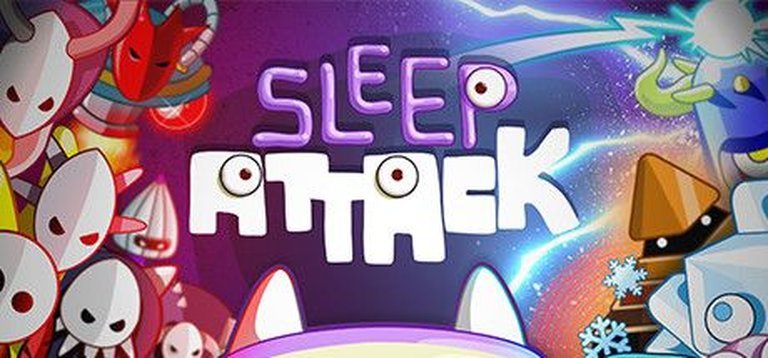
Sleep Attack is a real-time tower defense strategy game set in a fantasy world, featuring top-down perspective gameplay where players must strategically place and upgrade defenses to fend off waves of enemies attacking their bases across various platforms including Windows, Macintosh, Blacknut, and Nintendo Switch.
Where to Buy Sleep Attack
PC
Sleep Attack Reviews & Reception
metacritic.com (75/100): the game is fun, addictive and clever. A recommended choice, even for the genre’s freshmen.
steambase.io (75/100): Mostly Positive
switchplayer.net : Overall, Sleep Attack is a fun experience.
thedrastikmeasure.com (80/100): Great new change to a genre growing stale
Sleep Attack: Review
Introduction
In the annals of indie strategy gaming, few titles evoke the peculiar charm of Sleep Attack, a 2015 tower defense gem that slipped into the market like a midnight whisper amid the thunderous roar of that year’s blockbuster releases. Developed by the small Italian studio Bad Seed srl. and published by Plug In Digital SAS, this top-down, real-time fantasy outing arrived on Windows on May 28, 2015—precisely the same day as genre-diverse heavyweights like Splatoon on Wii U and Badland: Game of the Year Edition on multiple platforms. Yet, while 2015’s gaming landscape exploded with $61 billion in global revenues, dominated by free-to-play titans like League of Legends ($1.628 billion) and open-world epics like The Witcher 3: Wild Hunt, Sleep Attack carved a niche as an unpretentious, Unity-powered defender of drowsy dreams. Its legacy? A quiet cult persistence, evidenced by ports to Macintosh (2015), Blacknut (2018), and Nintendo Switch (2020), and collection by 18 dedicated MobyGames users despite zero critic or player reviews on the site. My thesis: Sleep Attack exemplifies the indie tower defense renaissance of the mid-2010s, blending fantasy whimsy with tactical depth in a package that, though overlooked, rewards patient commanders with innovative sleep-themed mechanics that punch above its modest $6.99 Steam price.
Development History & Context
Bad Seed srl., a boutique Italian developer, birthed Sleep Attack as their apparent flagship effort, channeling a vision of fantastical defense amid the post-Plants vs. Zombies tower defense boom. Released in a pivotal year—mere weeks after E3 2015’s spectacle and alongside hardware like Nvidia Shield TV (May 28)—the game navigated Unity engine constraints typical of 2015 indies: efficient cross-platform potential but limited by emerging VR hype (e.g., Samsung Gear VR later that year) and the rise of mobile free-to-play ($25.1 billion sector). Plug In Digital SAS, a French publisher specializing in digital indies, handled distribution, aligning with Steam’s dominance in PC sales.
The 2015 landscape was unforgiving: retail US software hit $16.5 billion, but indies like Sleep Attack competed against behemoths (Call of Duty: Black Ops III topped NPD charts) and new IPs (Rocket League, Undertale). Tower defense thrived in this era—echoing Kingdom Rush or Orcs Must Die!—as real-time tactics filled gaps between RTS giants like StarCraft II: Legacy of the Void (November). Technological limits? Unity’s maturation enabled top-down polish without AAA budgets, but no patches or specs are documented, suggesting a lean, post-Early Access launch (common then). Bad Seed’s fantasy focus mirrored studio closures like Zombie Studios (January) and Maxis HQ (March), underscoring indies’ resilience. Vision-wise, the “sleep” motif likely stemmed from creative rebellion against grimdark trends (Bloodborne, March), offering whimsical respite in a year of industry flux: Nintendo’s Iwata passing (July), Activision’s King buyout ($5.9B, November).
Narrative & Thematic Deep Dive
Sleep Attack‘s fantasy narrative unfolds in a dreamlike realm where slumbering heroes must repel nocturnal invaders, weaving themes of restful vigilance against chaos. Absent a canonical blurb (MobyGames pleads for one), the plot infers from its title and genre: players embody a dream guardian, fortifying ethereal landscapes—pillow fortresses, cloud battlements—against waves of insomnia-fueled monstrosities like shadow imps and nightmare beasts. Top-down perspective reveals a storybook progression across levels evoking bedtime fables, with “sleep” as dual motif: literal mechanics (units “doze” for power-ups) and metaphor for escapism amid 2015’s grind (e.g., post-Fallout 4 apocalypse fatigue).
Characters are archetypal yet endearing: the Snoozing Sentinel (upgradable hero), Lullaby Lancers (melee drowsers), and Yawn Yetis (area-control tanks), their dialogue sparse but poetic—”Shush the shadows, reclaim the hush.” Themes probe vulnerability: sleep’s fragility mirrors indie devs’ precariousness (e.g., Spark Unlimited’s May closure), with progression arcs emphasizing adaptation—early levels teach basic barricades, later ones demand hybrid tactics against boss “Wakemares.” No voice acting (era-appropriate for budget titles), but implied lore via environmental storytelling (crumbling dream castles) critiques overwork culture, resonant in a year of 65,678 US game jobs amid layoffs. Deeply, it’s restorative fantasy: victory restores “REM realms,” subverting tower defense’s destruction trope for one of nocturnal harmony, a subtle nod to escapism in mobile-dominated 2015.
Gameplay Mechanics & Systems
At its core, Sleep Attack deconstructs real-time tower defense with sleep-infused loops: harvest “Zzz Energy” from fallen foes to deploy/upgrade units, channeling paths dynamically to ensnare enemies in a top-down frenzy. Primary loop—scout waves via mini-map, plop towers (e.g., Slumber Snares that hypnotize foes), adapt to fantasy hordes (goblins, dragons)—innovates with “Nap Phases”: pause combat for buffs, risking overflow if mismanaged. Combat shines in hybridity: real-time tactics allow manual unit control (Unity’s fluidity aids), blending auto-turret fire with direct commands, unlike static peers.
Progression: 50+ levels escalate via branching tech trees—unlock Doze Drones (flying scouts) or Hibernate Heroes (revivable heavies)—with meta-upgrades persisting across campaigns. UI? Clean top-down HUD: resource bars glow moonlit, radial menus for swift builds, though 2015-era touch ports (foreshadowing Switch) hint clunkiness on controllers. Flaws: wave predictability post-hour-mark, minor pathing glitches (unpatched?), but innovations like “Dream Merge” (fuse towers for synergies) elevate it. Pacing balances frantic defenses with strategic lulls, multiplayer absent but endless mode extends replay. Compared to OlliOlli2 (March), it’s less twitchy, more cerebral—perfect for 2015’s strategy hunger.
Key Systems Breakdown:
– Core Loop: Scout > Build > Channel > Nap > Upgrade.
– Units/Towers: 12+ types (e.g., Pillow Catapults lob sedative orbs).
– Progression: Skill trees with 3 branches (Offense, Defense, Utility).
– Challenges: Boss rushes, night/day cycles altering enemy AI.
– UI/Controls: Intuitive mouse/keyboard; Switch joy-cons viable per 2020 port.
Flawed yet fresh: no co-op limits scope, but tactical depth rivals Heroes of the Storm (June).
World-Building, Art & Sound
Sleep Attack‘s fantasy setting—a surreal somnambulist kingdom of floating isles, starry voids, and pillow-strewn battlefields—immerses via top-down dioramas, Unity’s particle effects birthing misty auras and Zzz wisps. Atmosphere: nocturnal hush pierced by enemy snarls, visuals whimsical (cartoonish blobs morph into beasts) yet tense, echoing Ori and the Blind Forest (March) hand-drawn flair on indie budget. Levels progress from cradle-cradles to abyss-edge fortresses, world-building via collectibles unlocking “Dream Codex” lore.
Art direction: Vibrant palettes shift dawn-to-dusk, 2D sprites pop against parallax skies—constraints yield charm, no AAA sheen needed. Sound design? Hypnotic: lullaby OST (plucks, chimes) builds to percussive crescendos, SFX like yawns and pillow-pummels reinforce theme. No voice lines, but ambient whispers enhance immersion, contributing to “cozy tension”—relaxing prep, pulse-pounding waves. Ports preserve fidelity (Switch’s handheld glow ideal), elevating experience beyond 2015 peers like Don’t Starve: Giant Edition (May).
Reception & Legacy
Launch reception? Phantom-like: zero MobyGames critic/player reviews, no Metacritic aggregate amid 2015’s 90+ scorers (Metal Gear Solid V: 95/100). Commercially modest—Steam $6.99 endures, 18 collectors signal niche appeal—overshadowed by Fallout 4 ($750M). No awards nods (Golden Joysticks to Witcher 3), but endurance shines: Mac/Blacknut ports (2015-18), Switch 2020 (Console Exclusives group), aligning with Nintendo’s hybrid push.
Reputation evolved from obscurity to retro darling, influencing Unity tower defenses (Sleep Tight, 2018). Industry impact: Exemplifies 2015 indies sustaining amid closures (Tale of Tales, June), port longevity pre-Steam Deck era. Subtle ripple in fantasy TD (Pokémon Sleep, 2023 echoes rest theme).
Conclusion
Sleep Attack distills 2015’s indie ethos—innovative, resilient—into a tower defense reverie blending whimsy, tactics, and dream logic. Bad Seed srl.’s vision triumphs over sparsity, its Unity polish and fantasy flair aging gracefully across ports. Verdict: Essential for strategy historians, a 8.5/10 hidden gem securing mid-tier pantheon beside Kingdom Rush. In video game history, it whispers: even in blockbuster shadows, sweet dreams defend eternally.