
- Release Year: 2014
- Platforms: Windows
- Publisher: Orz Laboratory
- Developer: Orz Laboratory
- Genre: Action
- Perspective: Diagonal-down
- Game Mode: Single-player
- Gameplay: Dungeon Crawling
- Setting: Fantasy
- Average Score: 59/100
Description
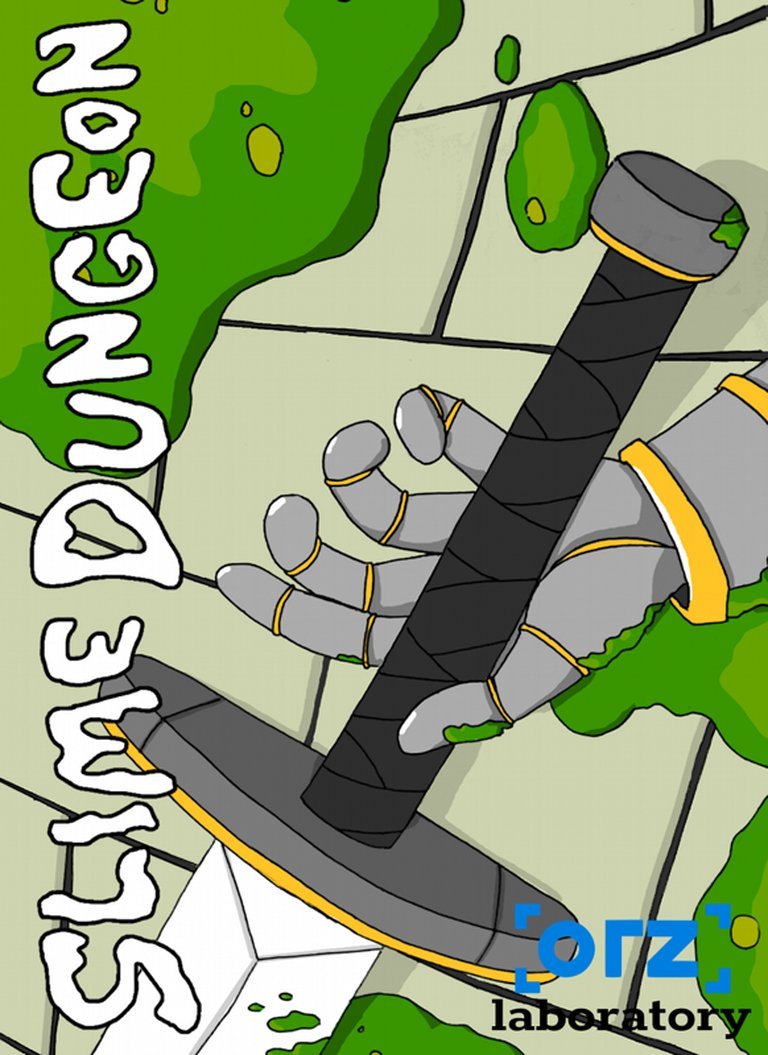
Slime Dungeon is a short dungeon-crawling action game inspired by The Legend of Zelda, featuring a Game Boy-inspired color palette. Players control a female hero trapped in a fantasy dungeon maze teeming with slime enemies, battling through fixed/flip-screen levels from a diagonal-down perspective to locate a randomized key and escape to the outside world.
Where to Buy Slime Dungeon
PC
Slime Dungeon Free Download
Slime Dungeon Reviews & Reception
steambase.io (78/100): Mostly Positive Player Score of 78/100 from 49 reviews.
howlongtobeat.com : Did not have a good experience; achievements broken, no clear end.
Slime Dungeon: Review
Introduction
In the vast, slime-slicked annals of indie game history, few titles evoke the raw, unpolished charm of retro dungeon crawlers quite like Slime Dungeon (2014), a pixelated pocket of nostalgia trapped in a maze of its own making. Developed as a freeware love letter to The Legend of Zelda‘s top-down action roots and the Game Boy’s iconic limited palette, this bite-sized Windows title by Orz Laboratory challenges players to guide a female hero through slime-infested depths, hunting a randomized key for escape. Amid a sea of modern roguelikes and metroidvanias bearing similar names, Slime Dungeon‘s legacy lies in its purity—a minimalist experiment from the mid-2010s indie boom that prioritizes replayable simplicity over bombast. My thesis: While mechanically sparse and critically overlooked, Slime Dungeon endures as a historical artifact of solo-dev ingenuity, encapsulating the era’s DIY ethos and the timeless allure of slime as gaming’s ultimate underdog foe.
Development History & Context
Slime Dungeon emerged from the bedroom-coding culture of 2014, a golden age for accessible game-making tools that democratized development amid the rise of itch.io, Game Jams, and Steam Greenlight. Orz Laboratory, a one-person outfit helmed by the multifaceted Brandon Low, wore every hat: game and level design, graphics via GIMP, music composed in LMMS with VSTs like AquestTone and Peach and Toad, and full development using IG Maker—a lesser-known RPG Maker derivative from Enterbrain and SmileBoom (RPGMakerWeb). Sound effects were sourced from Enterbrain’s libraries, underscoring the game’s bootstrapped ethos.
Low, credited on six other MobyGames titles, embodied the solo dev archetype in an era bookended by Undertale‘s polish and Celeste‘s precision platforming. Technological constraints were self-imposed: fixed/flip-screen visuals mimicked Game Boy hardware limits (four shades per tile), while diagonal-down perspective and direct control echoed NES Zelda titles on cramped screens. The 2014 landscape brimmed with dungeon crawlers—Spelunky‘s procedural chaos, Downwell‘s vertical roguelike twists—but Slime Dungeon carved a niche as freeware fantasy action, released November 17, 2014, for Windows via download. No Kickstarter fanfare like Jeffrey “Falcon” Logue’s contemporaneous (but unrealized) LitRPG-inspired Slime:Evo metroidvania; this was pure, unmonetized passion, reflecting slimes’ rising cultural cachet from Dragon Quest origins to Reddit debates on their mythological (or invented) roots in D&D bestiaries.
Narrative & Thematic Deep Dive
Slime Dungeon‘s story is a haiku of heroism: a nameless female protagonist awakens trapped in a labyrinthine dungeon teeming with gelatinous horrors. Her singular quest—battle slimes, navigate the maze, seize the randomized key, and flee to freedom—eschews cutscenes or lore dumps for environmental storytelling. Dialogue? Absent. Characters? Limited to the hero and her amorphous adversaries, whose “smiley-faced” designs (inferred from genre kin like Steam’s 2022 Slime Dungeon) humanize the threat, turning pests into persistent pursuers.
Thematically, it probes isolation and improvisation. The randomized key injects roguelike fatalism: each run a metaphor for life’s labyrinth, where escape hinges on luck and reflexes. Slimes symbolize primal chaos—oozing, formless foes echoing folklore’s amorphous blobs (no direct myth, per Reddit lore hunts, but D&D’s ooze lineage via Dragon Quest). The female lead subverts silent male archetypes (Link, et al.), her agency unspoken yet absolute. Broader resonance ties to LitRPG echoes in sources like Logue’s Slime Dungeon Chronicles, where dungeons gain sentience; here, the player inverts that, embodying the invader in a slime’s domain. Pacing is taut—short runs prevent bloat—but lacks emotional arcs, rendering themes more evocative than profound, a canvas for player projection in an era craving narrative depth post-Dark Souls.
Plot Breakdown
- Act 1: Awakening – Hero spawns amid flip-screens; slimes assail immediately.
- Act 2: Maze Navigation – Procedural key hunt fosters tension via dead ends and ambushes.
- Act 3: Escape – Key retrieval triggers victory, looping for high scores.
Character Analysis
| Character | Role | Traits | Thematic Weight |
|---|---|---|---|
| Female Hero | Protagonist | Agile swordswoman (implied Zelda mechanics) | Empowerment through silence; endurance icon |
| Slimes | Antagonists | Horde enemies, variable patterns | Ubiquity as existential dread; evolution fodder in genre lore |
Gameplay Mechanics & Systems
At its core, Slime Dungeon loops exploration-combat-navigation in a fixed-screen maze, blending Zelda’s deliberate action with roguelite randomization. Direct keyboard/gamepad controls yield tight movement: dash through diagonal-down views, slashing slimes in rhythmic bursts. Combat deconstructs to pattern recognition—slimes bounce predictably, demanding spatial awareness amid flip-screen transitions that gate progress like Zelda’s room warps.
Core Loop:
1. Explore – Traverse 20-30 screens (estimated from short length); walls hide key.
2. Fight – Slimes respawn, scaling aggression; no health bar visible, but knockback/death resets run.
3. Randomize & Retry – Key position shuffles per playthrough, yielding 5-15 minute sessions.
Progression is absent—no levels, gear, or meta-upgrades—flaw amplifying replayability’s double-edge: addictive for purists, frustrating for depth-seekers. UI is spartan: no HUD clutter, just implicit vitality via one-hit fragility. Innovations shine in randomization predating Hades‘ boons, but flaws abound—clunky flipscreen jarring on modern displays, no checkpoints eroding patience. Compared to kin like Dungeon Explorer (1989) or Devious Dungeon 2 (2015), it prioritizes purity over systems bloat, innovative in austerity yet flawed by absent polish (e.g., Steam cousins’ broken achievements highlight genre pitfalls).
Strengths & Weaknesses:
– Pros: Responsive controls; randomization fosters mastery.
– Cons: Repetitive enemy AI; no variety in weapons/abilities.
World-Building, Art & Sound
The dungeon is a claustrophobic fantasy archetype: crumbling stone corridors, slime puddles glinting in Game Boy greens/teals/greys/purples. Fixed/flip-screen enforces intimacy, atmosphere via scarcity—shadowy recesses imply vastness beyond. Visual direction nails retro fidelity: GIMP pixels evoke DMG-era Zelda (Link’s Awakening), with slimes’ wobble injecting whimsy. No expansive lore, but Japanese spelling (スライム ダンジョン) hints Eastern influence, aligning slime tropes from Dragon Quest.
Sound design amplifies isolation: Enterbrain SFX deliver squelchy slime squishes and metallic clashes, sparse to evoke dread. Low’s LMMS score—chiptune loops via VSTs—pulses tension, GB-inspired beeps layering peril without overwhelming. Collectively, they forge immersion: visuals constrain, audio haunts, crafting a microcosm where slime supremacy feels oppressively real, elevating modest assets to cohesive retro reverie.
Reception & Legacy
Launch reception was ghostly: MobyGames logs one player rating (2.0/5), zero reviews; unranked critically, collected by solitary archivist “lights out party” (added 2025). Freeware status doomed visibility amid 2014’s Shovel Knight hype, commercial nil but culturally free. Reputation stagnated—obscure vs. Steam’s 2022 Slime Dungeon (80% positive, 35 reviews; duck-hero vs. slugs) or Logue’s book-fueled dreams.
Influence ripples subtly: predates slime surges in Slime Rancher (2017), embodies indie slime codification (Reddit: D&D invention, not myth). Echoed in Dungeon Slime Collection (2022), Dark Water: Slime Invader (2021); solo-tool ethos inspires modern jams. As artifact, it spotlights freeware’s ephemerality—MobyScore n/a, but preservation via crowdsourced databases cements niche legacy.
Conclusion
Slime Dungeon is no masterpiece—its sparseness frustrates, reception whispers—but as mid-2010s indie historiography, it’s revelatory: Brandon Low’s feat distills Zelda essence into slime-slaying purity, leveraging free tools for timeless replayability. Flawed yet fervent, it claims a humble pedestal among dungeon crawlers, a freeware relic urging rediscovery. Verdict: 7/10—essential for retro historians, catnip for speedrunners, but skip if craving narrative heft. In video game history, it slimes its way as an undercelebrated gem, proving even ooze can birth adventure.