
- Release Year: 2016
- Platforms: Linux, Macintosh, PlayStation 4, Windows Apps, Windows, Xbox Cloud Gaming, Xbox One
- Publisher: Monomi Park, LLC
- Developer: Monomi Park, LLC
- Genre: Role-playing (RPG), Simulation
- Perspective: 1st-person
- Game Mode: Single-player
- Gameplay: Base building, Crafting, Creature breeding, Fusion, Open World, Resource Management, Sandbox
- Setting: Fantasy
- Average Score: 83/100
- VR Support: Yes
Description
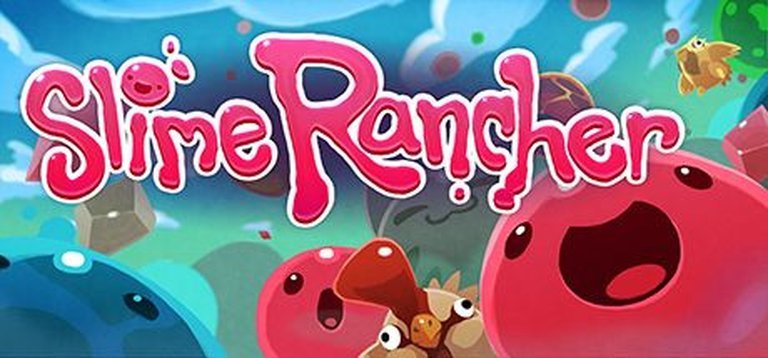
Slime Rancher is a charming first-person simulation and role-playing game where players take on the role of Beatrix LeBeau, a young rancher who travels to the distant alien world of the Far, Far Range. The game revolves around building and managing a thriving ranch by raising adorable, gelatinous creatures called slimes, exploring a vibrant open world, and uncovering the planet’s mysteries. Players use a vacuum-like tool called the ‘vacpack’ to collect slimes, gather resources, and feed them to produce valuable ‘plorts,’ which can be sold to expand the ranch. With diverse slime species, each with unique behaviors and diets, players must carefully manage their ranch to prevent chaos, such as the formation of hostile ‘Tarr’ slimes. The game blends farming, exploration, and light puzzle-solving, offering a relaxing yet engaging experience with upgrades, automation, and hidden secrets to discover.
Gameplay Videos
Where to Buy Slime Rancher
Slime Rancher Free Download
Slime Rancher Cracks & Fixes
Slime Rancher Mods
Slime Rancher Guides & Walkthroughs
Slime Rancher Reviews & Reception
metacritic.com (81/100): A triumphant return to form for the series.
opencritic.com (76/100): Slime Rancher is a delightful, irrepressible thing with a manageable space to venture out into.
steambase.io (98/100): Slime Rancher has earned a Player Score of 98 / 100.
monstercritic.com (80/100): I absolutely loved Slime Rancher, from the colourful start to the bittersweet ending that literally had me sobbing—something that is quite hard for video games to achieve.
Slime Rancher Cheats & Codes
PC (Fanon Wiki Commands)
Press the apostrophe (`) / tilde(~) key to access the command panel.
| Code | Effect |
|---|---|
| /creative 0 | Disables creative mode |
| /creative 1 | Enables creative mode (fly, build, destroy, teleport, control day/night) |
| /yeetmode 0 | Disables Yeet Mode |
| /yeetmode 1 | Enables Yeet Mode (incinerates or teleports touched objects) |
| /death | Auto Faint (sends you to home) |
| /dinge | Summons Pink Slime King |
| /spawnslime [slimename] | Spawns the specified slime at your cursor |
| /chat | Starts chat mode in multiplayer |
| /chat spam [spamtext] | Spams the specified text in chat |
| /spawnfood [foodname] [amountoffood] | Spawns the specified food and amount |
| /spawnresource [resourceinitial] [amountofresource] | Spawns the specified resource and amount in your VacPack |
| /noclip 0 | Disables Noclip |
| /noclip 1 | Enables Noclip |
| /invincible | Makes you invincible |
| /flash | Prevents energy from running out |
| /inventory | Gives infinite space in Vac-Pac slots and adds 3 more slots |
| /givenewbucks [amountofcash] | Adds the specified amount of money |
| /health | Gives infinite health |
| /heal | Heals you to full health |
| /unlocklabitem [Item Name] | Unlocks the specified Lab Item |
| /respawn all | Makes anything (except you) in the world respawn or disappear |
| /spawn [Item Name] [Count] | Spawns the specified in-game item |
| /goldmania | Spawns 50 gold slimes at once |
| /luckymania | Spawns 50 lucky slimes at once |
| /doublenotrouble | Spawns 50 gold slimes and 50 lucky slimes |
| /showcommands | Shows list of commands |
| /cheatmenu | Opens cheat menu (if mod installed) |
| /delete [object] [number] | Deletes the specified number of the closest objects |
| /einventory 0 | Disables infinite inventory space |
| /einventory 1 | Enables infinite inventory space |
| /flight_limiter <0/1> | Enables/Disables the flight limit imposed by the jetpack |
| /antitarr | Destroys any plorts and Tarr nearby |
| /upgrade 1 | Enables all upgrades |
| /upgrade 0 | Disables all upgrades |
| /unlock | Automatically buys all areas and opens slime gates |
| /teleport [place name] | Teleports to the specified place |
| /unlockachievement [achievement name] | Unlocks the specified achievement |
| /spawn [slime] [pure/largo type] [agitation level] | Spawns a slime with specified type and agitation |
| /refinery hack | Sets all resources in refinery to infinite |
| /gadget hack | Gives infinite of every gadget in the game |
| /gamemode [adventure/rush/casual] | Changes the gamemode |
| /squash | Turns any slime you are looking at into 20 of their plorts |
| /launch [misc] | Flings any type of item into the air |
| /gordo [slime] [int] [1-4 item names] | Makes the slime’s gordo appear, eating the specified amount and dropping items |
| /addSlot [id] [string] | Adds a slot with a custom name and ID |
| /removeSlot [id] | Removes a slot with the specified ID |
| /customBehavior [id] [id] | Spawns an item with a custom behavior |
PC (Steam Mod)
Press LeftShift+~ to open the console.
| Code | Effect |
|---|---|
| spawn gold_slime | Spawns a gold slime using the item ID |
| spawn gold_slime 5 | Spawns 5 gold slimes using the item ID |
| spawn “gold slime” 1 | Spawns 1 gold slime using the localized item name |
Slime Rancher: A Comprehensive Retrospective
Introduction
In the vast, often hyper-competitive landscape of indie gaming, few titles have captured the hearts of players quite like Slime Rancher. Developed by the small but mighty Monomi Park, this first-person life simulation adventure game emerged in 2016 as a breath of fresh air—a vibrant, whimsical, and surprisingly deep experience that blended farming, exploration, and creature collection into a cohesive and utterly charming package. At its core, Slime Rancher is a game about starting anew, about the joy of discovery, and the quiet satisfaction of building something from the ground up. It’s a game that, despite its cutesy exterior, grapples with themes of isolation, perseverance, and the delicate balance between chaos and control.
This review aims to dissect Slime Rancher in its entirety, exploring its development history, narrative depth, gameplay mechanics, artistic vision, and lasting legacy. Through a combination of critical analysis, player feedback, and historical context, we’ll examine why this game resonated so deeply with audiences and how it carved out a unique niche in the gaming landscape.
Development History & Context
The Birth of Monomi Park
Slime Rancher is the brainchild of Monomi Park, an indie studio co-founded by Nick Popovich and Mike Thomas. Popovich, a former artist and designer at Three Rings Design (known for Spiral Knights), envisioned a game that combined the joy of creature collection with the satisfaction of farming and exploration. The studio’s origins are humble—development began in Popovich’s apartment, where he relied on borrowed code and prototypes to bring his vision to life. The team’s commitment to avoiding crunch culture—working a strict eight-hour day—was a refreshing departure from industry norms and contributed to the game’s organic, passion-driven development.
Early Access and Community Engagement
Slime Rancher entered Steam Early Access in January 2016, a move that allowed Monomi Park to refine the game based on player feedback. This iterative process was crucial; the developers actively engaged with the community, incorporating suggestions and addressing bugs to shape the final product. The Early Access period also helped build anticipation, as players shared their experiences and spread word of the game’s charm.
By the time of its full release on August 1, 2017, Slime Rancher had already cultivated a dedicated fanbase. The game’s launch on Windows, macOS, Linux, and Xbox One was met with widespread acclaim, and subsequent ports to PlayStation 4 and Nintendo Switch further expanded its reach.
Technological and Design Constraints
Built on the Unity engine, Slime Rancher leveraged the engine’s flexibility to create a visually distinct and mechanically smooth experience. However, the team faced challenges in balancing the game’s open-world design with its simulation elements. The Vacpack, for instance, was a central mechanic that required careful tuning to ensure it felt responsive and intuitive. Similarly, the AI behavior of slimes—particularly the chaotic interactions between different species—demanded extensive playtesting to strike the right balance between fun and frustration.
Narrative & Thematic Deep Dive
The Story of Beatrix LeBeau
At its heart, Slime Rancher is the story of Beatrix LeBeau, a young woman who leaves Earth behind to start a new life on the Far, Far Range, a distant planet teeming with gelatinous creatures known as slimes. Beatrix’s journey is one of self-sufficiency and discovery; she arrives with little more than her Vacpack and a determination to build a thriving ranch. Along the way, she uncovers the mysteries of the planet, from ancient ruins to hidden biomes, each filled with unique slimes and resources.
The narrative is delivered primarily through environmental storytelling and optional lore entries, such as notes left by the previous ranch owner, Hobson Twillgers. These snippets of text provide context and depth, hinting at the planet’s history and the challenges Beatrix faces. While the story is light on traditional cutscenes or dialogue, it’s rich in atmosphere and implication, inviting players to piece together the world’s secrets at their own pace.
Themes of Isolation and Connection
One of the most compelling themes in Slime Rancher is the tension between isolation and connection. Beatrix is alone on the Far, Far Range, yet she’s surrounded by life—slimes that bounce, chirp, and interact with her in myriad ways. The game captures the quiet beauty of solitude while also celebrating the joy of companionship, albeit with non-human creatures. The slimes, with their distinct personalities and behaviors, become Beatrix’s de facto family, and their well-being is central to her success.
The game also explores themes of responsibility and consequence. Slimes can be combined to create Largos, which are more efficient but also more volatile. If mismanaged, they can transform into Tarrs, destructive creatures that threaten the ranch. This mechanic underscores the game’s broader message: that growth and progress require careful stewardship, and that even the most well-intentioned actions can have unintended consequences.
The Bittersweet Ending
Slime Rancher’s ending is a masterclass in emotional storytelling. Without spoiling the details, the conclusion is both triumphant and melancholic, offering a sense of closure while leaving room for interpretation. It’s a rare example of a game that doesn’t shy away from ambiguity, and it’s this willingness to embrace complexity that elevates the narrative beyond mere whimsy.
Gameplay Mechanics & Systems
Core Gameplay Loop
At its core, Slime Rancher is a game about collection, cultivation, and commerce. Players spend their days exploring the Far, Far Range, capturing slimes, and gathering resources to feed them. Slimes, when fed, produce plorts—valuable crystals that can be sold for Newbucks, the game’s currency. These funds are then reinvested into the ranch, allowing players to expand their operations, upgrade their equipment, and unlock new areas.
The gameplay loop is deceptively simple but endlessly engaging. The act of vacuuming up slimes with the Vacpack is satisfying in a way that’s hard to describe; there’s a tactile joy to sucking up a bouncing Pink Slime or a glowing Phosphor Slime and watching them tumble into your inventory. Similarly, the process of feeding slimes and watching them produce plorts is oddly therapeutic, akin to tending a garden or caring for pets.
Slime Management and Ranch Expansion
Managing slimes is where Slime Rancher’s depth becomes apparent. Each slime species has unique behaviors, diets, and traits. Pink Slimes, for example, are generalists that eat anything, while Tabby Slimes are carnivorous and require meat. Some slimes, like Boom Slimes, are outright dangerous, exploding when agitated. Others, like Rad Slimes, emit radiation that can harm Beatrix if she’s not careful.
The game encourages experimentation, allowing players to combine slimes to create Largos. These hybrid slimes inherit traits from both parent species, making them more versatile but also more complex to manage. However, the risk of creating Tarrs looms large; if a Largo consumes an incompatible plort, it transforms into a Tarr, which can quickly overrun the ranch if left unchecked. This mechanic adds a layer of tension to the otherwise relaxed gameplay, forcing players to think strategically about how they organize their slimes.
Ranch expansion is another key aspect of progression. Players can purchase new plots of land, build additional corrals, and construct specialized facilities like labs and silos. These upgrades not only increase efficiency but also open up new gameplay possibilities, such as automating certain tasks or accessing previously unreachable areas.
Exploration and Discovery
Exploration is a cornerstone of Slime Rancher’s design. The Far, Far Range is divided into several distinct biomes, each with its own ecosystem of slimes, resources, and environmental hazards. The Dry Reef, for instance, is a sunny, open area filled with Pink Slimes and fruit trees, while the Indigo Quarry is a dark, crystalline cavern home to Rock Slimes and valuable minerals.
Each biome is filled with secrets, from hidden treasure pods to massive Gordo Slimes that must be fed to burst, revealing new areas and rewards. The game’s world is designed to reward curiosity; players who take the time to explore off the beaten path are often rewarded with rare slimes, unique resources, or lore-rich discoveries.
Progression and Upgrades
Progression in Slime Rancher is tied to both exploration and resource management. As players accumulate Newbucks, they can upgrade their Vacpack to increase its storage capacity, energy efficiency, and jetpack capabilities. These upgrades are essential for accessing new areas, as some biomes require advanced equipment to navigate.
The game also features a Slime Science system, which allows players to craft gadgets and decorations using resources gathered from the environment. This system adds a layer of customization, enabling players to tailor their ranch to their playstyle. Whether it’s building extractors to automate resource collection or crafting decorative items to personalize their home, Slime Science provides a satisfying sense of ownership and creativity.
World-Building, Art & Sound
The Far, Far Range: A Living World
The Far, Far Range is a masterclass in world-building. The planet is a vibrant, alien landscape filled with lush forests, sparkling oceans, and towering mountains. Each biome is distinct, not just in terms of aesthetics but also in terms of gameplay. The Moss Blanket, for example, is a dense, foggy forest filled with mushrooms and Puddle Slimes, while the Glass Desert is a scorching wasteland home to Crystal Slimes and ancient ruins.
The world feels alive, thanks in part to the slimes themselves. These creatures are more than just resources; they’re characters in their own right, each with unique animations, sounds, and behaviors. Watching a group of Tabby Slimes pounce on a chicken or a herd of Pink Slimes bounce across the ranch is a constant source of delight.
Visual Design: A Feast for the Eyes
Slime Rancher’s art style is a perfect marriage of simplicity and detail. The game’s cartoonish aesthetic is bright and inviting, with bold colors and exaggerated proportions that give it a timeless, almost storybook quality. The slimes, in particular, are a triumph of design; their squishy, gelatinous forms are both adorable and expressive, conveying emotion through subtle animations and sound effects.
The game’s environments are equally impressive. The Far, Far Range is a visual feast, with each biome offering a distinct palette and mood. The Dry Reef is bathed in golden sunlight, the Indigo Quarry glows with eerie blue crystals, and the Glass Desert shimmers under a harsh, unforgiving sun. The attention to detail is remarkable, from the way water reflects light to the manner in which slimes leave behind tiny, glistening trails as they bounce.
Sound Design: A Symphony of Slimes
The auditory experience in Slime Rancher is just as carefully crafted as its visuals. The game’s soundtrack, composed by Harry Mack, is a soothing blend of ambient and orchestral music that perfectly complements the game’s relaxed pace. Tracks like “1,000 Light Years Away” and “The Ranch at Dawn” evoke a sense of wonder and tranquility, making the Far, Far Range feel like a true home.
The sound design extends beyond the music. Each slime species has its own unique vocalizations, from the cheerful chirps of Pink Slimes to the ominous hum of Rad Slimes. These sounds are more than just auditory flourishes; they’re essential to the gameplay, helping players identify slimes from a distance and adding to the immersive experience.
Reception & Legacy
Critical and Commercial Success
Slime Rancher was met with widespread acclaim upon its release. Critics praised its charming visuals, engaging gameplay loop, and relaxing atmosphere. On Metacritic, the game holds an aggregate score of 81/100 for the PC version, with reviewers highlighting its addictive nature and emotional depth. Publications like Game Informer and Destructoid lauded the game for its ability to keep players hooked for hours, while CGMagazine went so far as to award it a perfect score, calling it “one of the cutest games out there.”
Commercially, Slime Rancher was a runaway success. By May 2017, the game had sold over 800,000 copies, and by January 2022, that number had ballooned to over 5 million. The game’s popularity was further bolstered by its release on consoles, particularly the Nintendo Switch, where it found a new audience of players eager for a portable ranching experience.
Awards and Accolades
Slime Rancher’s impact was recognized with several awards and nominations. In 2017, it was nominated for Best Debut Indie Game at The Game Awards and received nods at the Golden Joystick Awards and the British Academy Games Awards. The game also won Game Informer’s award for Best Simulation Game of 2017, cementing its place as a standout title in the farming sim genre.
Influence on the Genre
Slime Rancher’s success had a ripple effect on the gaming industry, particularly in the farming and life simulation genres. Its blend of exploration, creature collection, and ranch management inspired a wave of similar games, from Stardew Valley’s more traditional farming approach to Coral Island’s tropical twist. The game’s emphasis on charm and accessibility also influenced indie developers, proving that a game didn’t need hyper-realistic graphics or complex mechanics to resonate with players.
Perhaps most importantly, Slime Rancher demonstrated the power of community engagement. Monomi Park’s commitment to listening to player feedback and iteratively improving the game set a new standard for indie development, showing that even small teams could create something truly special with the right mix of passion and persistence.
Conclusion
Slime Rancher is more than just a farming sim; it’s a testament to the power of creativity, community, and careful design. From its humble beginnings in Nick Popovich’s apartment to its status as a beloved indie classic, the game has captivated millions with its vibrant world, engaging gameplay, and emotional depth. It’s a game that rewards curiosity, celebrates experimentation, and embraces the beauty of both solitude and connection.
In the years since its release, Slime Rancher has left an indelible mark on the gaming landscape. Its influence can be seen in the countless games that have followed in its footsteps, and its legacy is secured by the passionate community that continues to celebrate it. Whether you’re a seasoned rancher or a newcomer to the Far, Far Range, Slime Rancher offers an experience that is as rewarding as it is delightful—a true gem in the world of indie gaming.
Final Verdict: 9.5/10 – A Masterpiece of Whimsy and Depth
Slime Rancher is a game that defies easy categorization. It’s a farming sim, an adventure game, a creature collector, and a life simulator all rolled into one. But more than that, it’s a game about finding joy in the small things—the bounce of a slime, the glow of a plort, the quiet satisfaction of a well-tended ranch. It’s a game that reminds us that even in the vast, often overwhelming world of gaming, there’s always room for something a little different, a little strange, and a little wonderful.