
- Release Year: 2014
- Platforms: Linux, Macintosh, PlayStation 4, Windows, Xbox One
- Publisher: Full Control ApS, Hoplite Research, LLC
- Developer: Full Control ApS
- Genre: Strategy, Tactics
- Perspective: Diagonal-down
- Game Mode: Single-player
- Gameplay: Character progression, Turn-based combat
- Setting: 000, Futuristic, Sci-fi, Space station, Spaceship, Warhammer 40
- Average Score: 68/100
Description
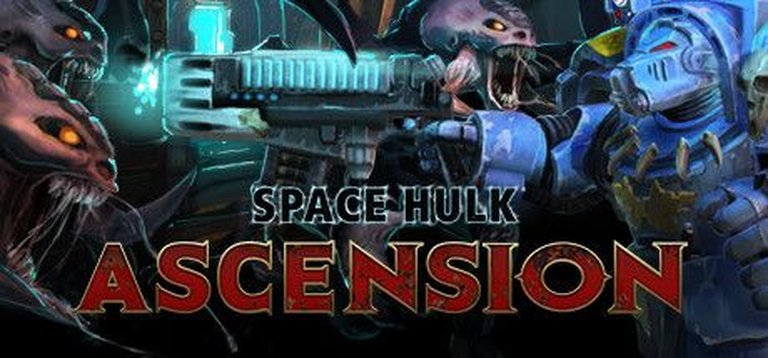
Space Hulk: Ascension is a turn-based strategy sequel based on the 1989 Games Workshop boardgame, set in the Warhammer 40,000 universe where players command elite Space Marine chapters—Ultramarines, Blood Angels, and Space Wolves—through 103 missions across three campaigns. The game features tactical combat against genestealers within the claustrophobic corridors of derelict spaceships known as space hulks, introducing new units like the Cyclone rocket launcher, unique genestealer variants, an XP progression system, and enhanced animations, while focusing exclusively on single-player gameplay without multiplayer.
Gameplay Videos
Space Hulk: Ascension Free Download
Space Hulk: Ascension Guides & Walkthroughs
Space Hulk: Ascension Reviews & Reception
metacritic.com (72/100): A proper video game adaptation of a great boardgame – at last!
gamingshogun.com : Those who pick up the game simply because the like turn-based strategy won’t be disappointed either because you don’t have to be a huge fan of Warhammer 40K to like it.
opencritic.com (64/100): Space Hulk: Ascension has evolved considerably from its board game roots, but without making a full transformation into a well-rounded video game.
Space Hulk: Ascension: Review
Introduction
In the grimdark tapestry of the Warhammer 40,000 universe, few scenarios evoke the primal terror of a Space Hulk—a colossal, drifting tomb of ancient starships infested by Tyranid Genestealers. Space Hulk: Ascension, developed by Danish studio Full Control and released in 2014, stands as a pivotal digital adaptation of Games Workshop’s legendary 1989 board game. Building upon its 2013 predecessor, Ascension refines the core experience with RPG progression, expanded content, and enhanced mechanics, transforming a niche board-game translation into a comprehensive tactical odyssey. This review argues that while Ascension succeeds in capturing the claustrophobic dread and tactical intensity of its source material, it is defined by a duality: it elevates the franchise with unprecedented depth while occasionally succumbing to the weight of its own complexity, ultimately solidifying its place as the definitive digital Space Hulk experience for solo players.
Development History & Context
Full Control, a Copenhagen-based indie studio with a focus on licensed adaptations, approached Ascension as a “standalone rejuvenation” of its divisive 2013 predecessor. Announced in August 2014 and launched just three months later on November 12 for Windows, macOS, and Linux (with later console ports), the game was born from dual ambitions: to rectify the original’s technical shortcomings while respecting the board game’s dice-roller mechanics. Developer Thomas Hentschel Lund emphasized a “nerve-shredding” experience that would “blow the minds of both new and old players,” targeting Warhammer 40k enthusiasts and tactical strategy fans alike. Technologically, Full Control built upon its existing engine, refining the clunky UI criticized in the 2013 release and introducing RPG elements absent from the board game. The gaming landscape in 2014 saw a resurgence of turn-based tactics (e.g., XCOM: Enemy Unknown) and Games Workshop’s push into digital IP, positioning Ascension as a strategic counterpoint to the action-oriented Warhammer 40,000: Space Marine. Despite its compressed timeline, the studio delivered a feature-rich expansion, though the absence of multiplayer—present in the 2013 version—became a notable omission.
Narrative & Thematic Deep Dive
Ascension’s narrative is a masterclass in atmospheric storytelling, unfolding across three chapter-specific campaigns (Ultramarines, Blood Angels, Space Wolves) spanning 103 missions. Unlike the 2013 game’s episodic structure, Ascension weaves branching paths where player choices impact squad composition and narrative outcomes. The campaigns delve into canonical lore: the Ultramarines defend Macragge from Genestealer incursions, the Blood Angels confront the lingering horrors of the Sin of Damnation, and the Space Wolves investigate a lost pack. These arcs are punctuated by themes of sacrifice and duty, as Terminators—portrayed as stoic guardians—endure mounting losses to fulfill their oaths to the Emperor. Characters, though not deeply developed, resonate through customization; players name, equip, and personalize their Terminators, fostering emotional investment in their survival. The narrative’s strength lies in its adherence to Warhammer 40k’s grimdark ethos: isolation, existential dread, and the futility of war. Genestealers are not mere monsters but agents of Tyranid corruption, embodying the Imperium’s eternal struggle against xenos threats. This thematic fidelity is reinforced by licensed assets, including chapter-specific heraldry and Tyranid bioforms, ensuring Ascension feels like a legitimate extension of the tabletop universe.
Gameplay Mechanics & Systems
Ascension’s core is a turn-based tactical system where players command squads of Space Marine Terminators against Genestealer swarms. Each Terminator operates on an Action Point (AP) economy, with movement (1 AP/tile), turning (1 AP), shooting, reloading, and overwatch (2 AP) forming the foundation of engagement. Combat resolution blends deterministic mechanics with probabilistic elements: ranged attacks use a formula like ((Ballistic Skill - 3) * 0.10) + bonuses, while melee involves counterattacks and flanking rules. Key innovations include:
– RPG Progression: Terminators gain XP for mission completions and kills, unlocking attribute boosts (Agility, Toughness) and skills (e.g., “Fireproof” for flame resistance). Leveling allows weapon specialization, such as Combi-Flamers for ranged Terminators.
– Fog of War and Line of Sight: Visibility is restricted to a 45° cone, enhanced by Perception stats. Genestealers appear as “blips” until revealed, heightening tension.
– Weapon Variety: The Storm Bolter returns with a heat mechanic, while new additions like the Cyclone Missile Launcher (Ultramarines-only) and Combi-Plasma add tactical depth. Heavy Flamers use area-denial, and Assault Cannons excel at crowd control.
– Enemy Diversity: Genestealer variants introduce unique mechanics—Fleshhooks drag Terminators, Acid Maws explode on death, and Broodlords possess high HP.
– Modes: Flash missions (side objectives) and Rogue Mode (procedurally generated challenges) extend replayability.
Despite these refinements, the UI remains a weak point; clunky interfaces obscure critical information, and a lack of an undo function leads to misclicks in tight corridors. The steep difficulty curve, compounded by RNG, demands meticulous strategy but can frustrate newcomers.
World-Building, Art & Sound
Ascension excels in world-building, transforming the board game’s abstract tiles into a 3D labyrinth of derelict corridors, flickering emergency lights, and alien bio-organic growths. Environments evoke the claustrophobia of Aliens, with fog-of-war mechanics ensuring players navigate blind, revealing threats only as Terminators advance. Visuals, while not cutting-edge for 2014, are purposefully grim: Terminator armor bears intricate details, gore splatters during melee, and dynamic lighting amplifies horror. Sound design is equally potent—the growl of Genestealers, the deafening roar of bolter fire, and the unsettling silence of dark corridors create a palpable atmosphere. Voice acting, though sparse, reinforces the Imperial Gothic tone with tactical commands and battle cries. The game’s audio-visual synergy culminates in moments of high tension, such as a Terminator walking through flame or a Broodlord’s roar echoing down a hallway.
Reception & Legacy
Ascension received mixed-to-positive reviews, with a Metacritic score of 72/100 (PC). Critics praised its atmospheric tension and tactical depth, with GameSpot noting it “preserves the spirit of the board game while expanding its design.” Hardcore Gamer lauded its “complete and refined” RPG elements. However, common critiques included UI issues, punishing difficulty, and the loss of multiplayer. Sales were moderate, with Steam estimates suggesting 50,000–100,000 owners buoyed by periodic discounts. Legacy-wise, Ascension became Full Control’s final game before studio closure in 2015, leaving behind a dedicated fanbase. Its influence is evident in later Space Hulk titles, such as Deathwing (2016), which adopted its claustrophobic themes while shifting to first-person. Mod communities, such as the Cold Corridor Combat overhaul, sustained the game’s longevity, while expansions like the Dark Angels Chapter added replayable content. Despite its delisting from major storefronts by 2019, Ascension remains a touchstone for Warhammer 40k tactical games, praised for its faithful adaptation and innovative RPG integration.
Conclusion
Space Hulk: Ascension is a flawed but formidable achievement in licensed game design. It transcends its board-game origins by infusing RPG depth, rich customization, and a haunting atmosphere, creating a solo tactical experience that honors Warhammer 40k’s grim legacy. While its UI issues and steep learning curve may alienate casual players, the game’s meticulous mechanics, narrative weight, and replayability ensure it stands as the definitive Space Hulk for PC and console enthusiasts. Ascension’s legacy is one of ambition: it took a niche concept and expanded it into a sprawling odyssey, proving that even in the darkest corridors of space, strategy and storytelling can forge unforgettable legends. For those willing to endure its challenges, Ascension offers not just a game, but a harrowing testament to the Imperium’s eternal war.