
- Release Year: 2007
- Platforms: Windows
- Publisher: ApeZone Inc
- Developer: ApeZone Inc
- Genre: Strategy, Tactics
- Perspective: 3rd-person
- Game Mode: Hotseat, Online PVP, Single-player
- Gameplay: Board game, Business simulation, Managerial, Space flight, Turn-based combat
- Setting: Futuristic, Sci-fi
- Average Score: 65/100
Description
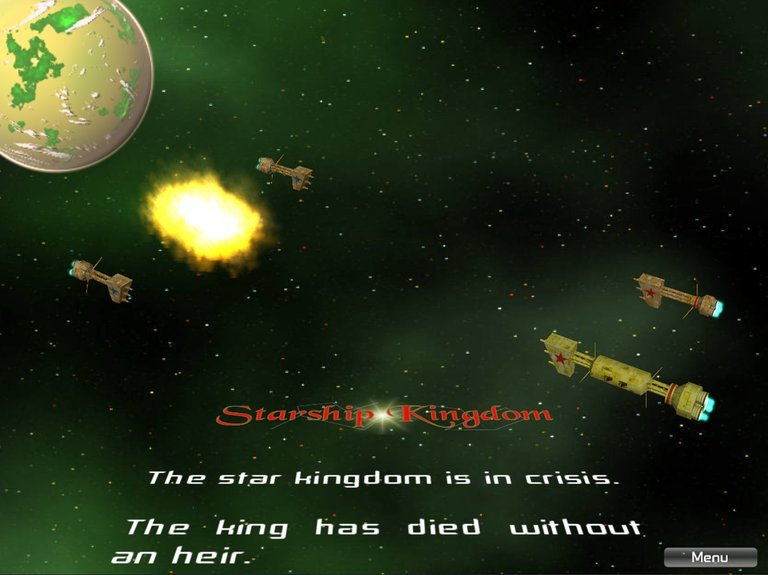
Starship Kingdom is a turn-based strategy game set in a sci-fi universe where two noble houses vie for control of a fractured galaxy after the king’s death. Players build and deploy fleets of ships, conquer enemy systems connected by star lanes, and manage resources to upgrade their forces. With a mix of Risk-style gameplay and deeper strategic elements—such as planetary tech bonuses, fleet customization, and AI opponents with varying playstyles—the game offers solo, hotseat, and online multiplayer modes. A built-in map editor further enhances replayability, allowing players to craft their own star systems.
Starship Kingdom Reviews & Reception
mobygames.com (75/100): Starship Kingdom is a variant of Risk in a sci-fi setting.
retro-replay.com : Starship Kingdom blends the strategic depth of classic Risk with a richly detailed sci-fi universe.
vgtimes.com (55/100): Starship Kingdom is a third-person strategy game with business simulator and sandbox elements.
Starship Kingdom: A Strategic Odyssey Through the Stars
Introduction
In the vast expanse of digital strategy games, few titles manage to carve out a niche as distinct and enduring as Starship Kingdom. Released in 2007 by ApeZone Inc., this game is a testament to the timeless appeal of turn-based strategy, wrapped in the allure of interstellar conquest. At its core, Starship Kingdom is a sci-fi reimagining of the classic board game Risk, but it transcends its inspiration by layering on complex fleet management, technological progression, and a dynamic galactic battlefield. This review delves deep into the game’s development, narrative, gameplay mechanics, and its lasting impact on the strategy genre.
Development History & Context
ApeZone Inc., a studio known for its innovative approach to digital board games, developed Starship Kingdom as a passion project that sought to blend the simplicity of Risk with the depth of modern strategy games. The game was written in C++ and utilized a DirectX library, a testament to the studio’s commitment to performance and visual fidelity. The development team, led by a small but dedicated group of programmers and designers, aimed to create a game that was both accessible to casual players and engaging for strategy enthusiasts.
The gaming landscape in 2007 was dominated by real-time strategy (RTS) games and first-person shooters, making Starship Kingdom‘s turn-based, board game-inspired approach a refreshing anomaly. The game’s release on Windows via digital download was a strategic move, leveraging the growing popularity of online distribution platforms. This allowed ApeZone Inc. to reach a global audience without the constraints of physical media.
Narrative & Thematic Deep Dive
Starship Kingdom is set in a fractured galaxy where the death of the king has left the throne vacant, and most planets have declared independence. Two noble houses vie for control, each seeking to reunite the galaxy under their banner. The narrative is minimalistic yet effective, providing just enough context to immerse players in the game’s world without overwhelming them with lore.
The game’s themes revolve around power, strategy, and the consequences of war. Players must navigate the complexities of interstellar politics, balancing the need for expansion with the risks of overextension. The narrative unfolds through in-game events and vignettes, which hint at shifting allegiances and betrayals, adding a layer of dynamism to the gameplay.
Gameplay Mechanics & Systems
At its heart, Starship Kingdom is a turn-based strategy game where players build and manage fleets of starships, deploy them across a galactic map, and engage in tactical battles. The game’s core mechanics are reminiscent of Risk, but with several key innovations:
-
Fleet Management: Players can build different types of starships, each with unique strengths and weaknesses. Scouts are fast and nimble, cruisers are balanced, battleships are powerful but slow, and carriers can deploy smaller ships.
-
Technological Progression: As players capture planets, they earn credits that can be invested in fleet upgrades and improved production. Different planets offer different tech bonuses, encouraging strategic planning and prioritization.
-
Combat System: Battles are resolved through a combination of dice rolls and ship stats, with animations that depict the clash of fleets. The combat system is designed to be quick and engaging, keeping the focus on strategy rather than spectacle.
-
Multiplayer Options: Starship Kingdom supports solo play, hotseat mode, and online multiplayer. The AI opponents have varying play styles, from aggressive to defensive, providing a range of challenges for solo players.
-
Map Editor: The built-in map editor allows players to create and share their own star maps, adding a layer of customization and replayability to the game.
World-Building, Art & Sound
The game’s visual design is a blend of functional clarity and aesthetic flair. The star map is set against a deep-space backdrop, with planets rendered in glowing hues to indicate ownership and production status. The user interface is clean and intuitive, with tooltips that provide instant information on ship stats, planet bonuses, and AI tendencies.
The sound design complements the visuals, with pulsating engine hums, phaser crackles, and triumphant victory chimes that add weight to each engagement. The battle animations are concise yet satisfying, with fleets clashing in choreographed bursts of laser fire and missile trails.
Reception & Legacy
Upon its release, Starship Kingdom received a mixed but generally positive reception. Critics praised the game’s strategic depth and innovative take on the Risk formula, but some noted the lack of a more robust narrative and deeper diplomacy options. The game’s score of 75% on MobyGames reflects this sentiment, with reviewers highlighting the game’s accessibility and replayability.
Despite its modest commercial success, Starship Kingdom has left a lasting impact on the strategy genre. Its blend of turn-based gameplay, fleet management, and technological progression has influenced subsequent games, particularly those that seek to combine the simplicity of board games with the depth of digital strategy.
Conclusion
Starship Kingdom is a standout title in the strategy genre, offering a unique blend of accessibility and depth. Its innovative take on the Risk formula, combined with its engaging gameplay mechanics and dynamic galactic battlefield, makes it a compelling choice for both casual players and strategy enthusiasts. While it may not have achieved the same level of commercial success as some of its contemporaries, its influence on the genre is undeniable. For those seeking a streamlined yet richly strategic sci-fi conquest game, Starship Kingdom is a must-play.
Final Verdict: Starship Kingdom is a hidden gem in the strategy genre, offering a unique and engaging experience that stands the test of time. Its blend of turn-based gameplay, fleet management, and technological progression makes it a compelling choice for both casual players and strategy enthusiasts. While it may not have achieved the same level of commercial success as some of its contemporaries, its influence on the genre is undeniable. For those seeking a streamlined yet richly strategic sci-fi conquest game, Starship Kingdom is a must-play.