
- Release Year: 2015
- Platforms: Linux, Windows, Xbox One
- Publisher: Adrian Zingg, PolarityFlow
- Developer: Adrian Zingg, PolarityFlow
- Genre: Action, Strategy, Tactics
- Perspective: Side view
- Game Mode: Single-player
- Gameplay: Base building, Crafting, Resource Management, Shooter, Upgrades
- Setting: Futuristic, Sci-fi
- Average Score: 81/100
Description
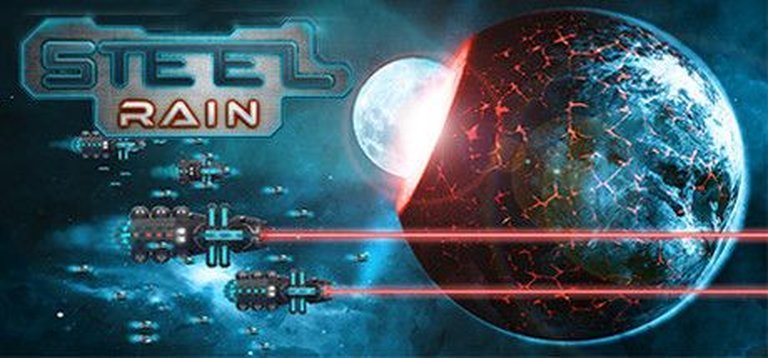
Steel Rain is a sci-fi side-scrolling shoot ’em up that blends action with strategic elements. Players conquer planets by defeating bosses, then colonize them to construct resource-generating buildings and research combat upgrades. Featuring three customizable fire modes, color-coded weapon progression, and power-ups like bombs and repairs, pilots permanently enhance their ship through experience while tackling planet-specific missions and repeatable patrol operations for resources.
Gameplay Videos
Where to Buy Steel Rain
Steel Rain Cracks & Fixes
Steel Rain Mods
Steel Rain Guides & Walkthroughs
Steel Rain Reviews & Reception
gamepressure.com (84/100): Steel Rain is a truly novel mix of strategy, RPG, and frantic action, with a modern, high velocity shmup core at its center.
Steel Rain: A Strategic SHMUP Hybrid That Dares to Innovate
Introduction
In the crowded galaxy of indie shoot-’em-ups, Steel Rain (2015) stands out as a daring experiment—a game that fuses bullet-hell intensity with colony management, RPG progression, and tactical wingman combat. Developed by Swiss solo developer Adrian Zingg under the banner of PolarityFlow, Steel Rain ambitiously bridges genres, offering a frenetic shooter experience layered with strategic depth. While its execution isn’t flawless, this sci-fi odyssey remains a fascinating artifact of indie ambition, challenging the conventions of its era.
Development History & Context
Steel Rain emerged from Adrian Zingg’s singular vision. A one-man powerhouse, Zingg handled programming, design, and even composed much of the soundtrack, leveraging the accessible GameMaker engine to bring his hybrid concept to life. Released in late 2015, the game entered a landscape where indie developers were increasingly experimenting with genre fusion—think FTL: Faster Than Light’s roguelike-strategy blend or Dungeon of the Endless’ tower-defense-RPG mashup.
Yet Steel Rain dared to go further, grafting shmup mechanics onto a strategic framework. Its development was modest but focused: Zingg enlisted collaborators like Philipp Mathis (ship and boss design) and a small team of composers to flesh out the game’s audiovisual identity. Constraints were evident—the UI’s cluttered menus and simplistic 2D art reflect the limitations of a small budget—but Zingg’s passion for blending “frantic action” with “deep strategy” (as described on Steam) shines through.
Narrative & Thematic Deep Dive
Steel Rain’s narrative is minimalist, serving primarily as scaffolding for its gameplay. Players lead a rebellion against an oppressive interstellar regime, liberating planets one bullet barrage at a time. The story unfolds through mission briefings and environmental cues—colonized planets become strategic footholds, while enemy designs hint at a broader galactic conflict.
Thematically, the game explores conquest and sustainability. Colonizing planets isn’t just a gameplay loop; it’s a commentary on resource management in wartime. Each conquered world becomes a node for mining, research, and defense, evoking a microcosmic “empire-building” narrative. While character development is absent, the player’s evolving fleet—a growing arsenal of ships and upgrades—becomes the protagonist, symbolizing resistance through technological escalation.
Gameplay Mechanics & Systems
At its core, Steel Rain is a horizontally scrolling shmup with a twist: dual-wing control. Players command two ships simultaneously, toggling between three formations:
1. Focused Forward: Concentrated firepower for bosses.
2. Wide Spread: Crowd control against swarms.
3. Rear Cover: Defensive counterattacks.
Each formation synergizes with six customizable fire modes, encouraging real-time tactical adjustments. This system is Steel Rain’s crown jewel, offering a skill ceiling that rewards mastery.
Beyond shooting, the game integrates strategy-RPG systems:
– Colonization: Defeating planet bosses unlocks building slots for mines, labs, and turrets. Resources fund upgrades, while patrol missions on controlled planets grind XP.
– Research Trees: Unlock new weapons, drones, and passive buffs, though progression can feel grindy.
– Crafting: Factories produce consumable items, adding a survivalist layer.
However, the game stumbles in balancing these elements. Critics noted the cluttered UI (TrueAchievements called it “unoptimized for consoles”) and the steep learning curve for its “simulation component” (Video Chums). While shmup purists may bristle at the micromanagement, others will relish the meta-game of optimizing colonies between raids.
World-Building, Art & Sound
Steel Rain’s 2D art is functional but unremarkable. Enemy designs range from sleek drones to screen-filling bosses, though the visual clarity suffers when projectiles blend into busy backgrounds. The sci-fi aesthetic leans generic, evoking Gradius and R-Type without distinctive flair.
Where the game excels is sound design. Zingg’s original synth tracks pulse with urgency, while contributions from artists like Florian Scheurer (“Steel Age”) and Comfreak (“Purple Space”) layer atmospheric depth. The soundtrack’s mix of electronic beats and ambient textures elevates the tension, though some tracks loop repetitively during prolonged sessions.
Reception & Legacy
Upon release, Steel Rain garnered mixed reviews. Critics praised its ambition but critiqued its uneven execution:
– 79% (Video Chums): “A satisfying blend of gameplay styles… if you have patience.”
– 60% (TrueAchievements): “The shooting doesn’t quite do enough to stay fresh.”
Player reception skewed warmer, with Steam reviewers celebrating its “gameplay variety” (87% positive). However, complaints about grindy progression and a lackluster tutorial persisted.
Despite its flaws, Steel Rain’s legacy lies in its genre-blending boldness. It inspired later indie hybrids like Nex Machina (which married shmups with arena combat) and demonstrated the potential of integrating strategy into arcade-style games. While not a commercial blockbuster, it remains a cult favorite for players craving depth in their shoot-’em-ups.
Conclusion
Steel Rain is a game of contrasts: innovative yet uneven, ambitious yet rough-edged. Adrian Zingg’s vision of a “strategic SHMUP ReMix” succeeds in creating a niche for itself, offering a compelling loop of combat and colonization that few games attempt. While its UI woes and pacing issues prevent it from ascending to the pantheon of classics, it’s a title worth revisiting as a case study in indie experimentation.
For shmup enthusiasts open to management sim tangents, Steel Rain is a flawed gem—a testament to what solo developers can achieve when they dare to dream beyond genre boundaries.
Final Verdict: A 7.5/10—a bold, uneven experiment that deserves recognition for its hybrid mechanics, even if it falls short of perfection.