
- Release Year: 1994
- Platforms: Antstream, Arcade, Browser, Neo Geo CD, Neo Geo, Nintendo Switch, PlayStation 4, Wii, Windows Apps, Windows, Xbox One, Zeebo
- Publisher: D4 Enterprise, Inc., Data East Corporation, G-mode Co., Ltd., Hamster Corporation, SNK of America
- Developer: Data East Corporation
- Genre: Sports
- Perspective: Diagonal-down
- Game Mode: Co-op, Single-player
- Gameplay: 3-on-3, Blocking, Dunking, Passing, Shooting, Stealing, Street basketball, Super shots
- Setting: International, Street
- Average Score: 78/100
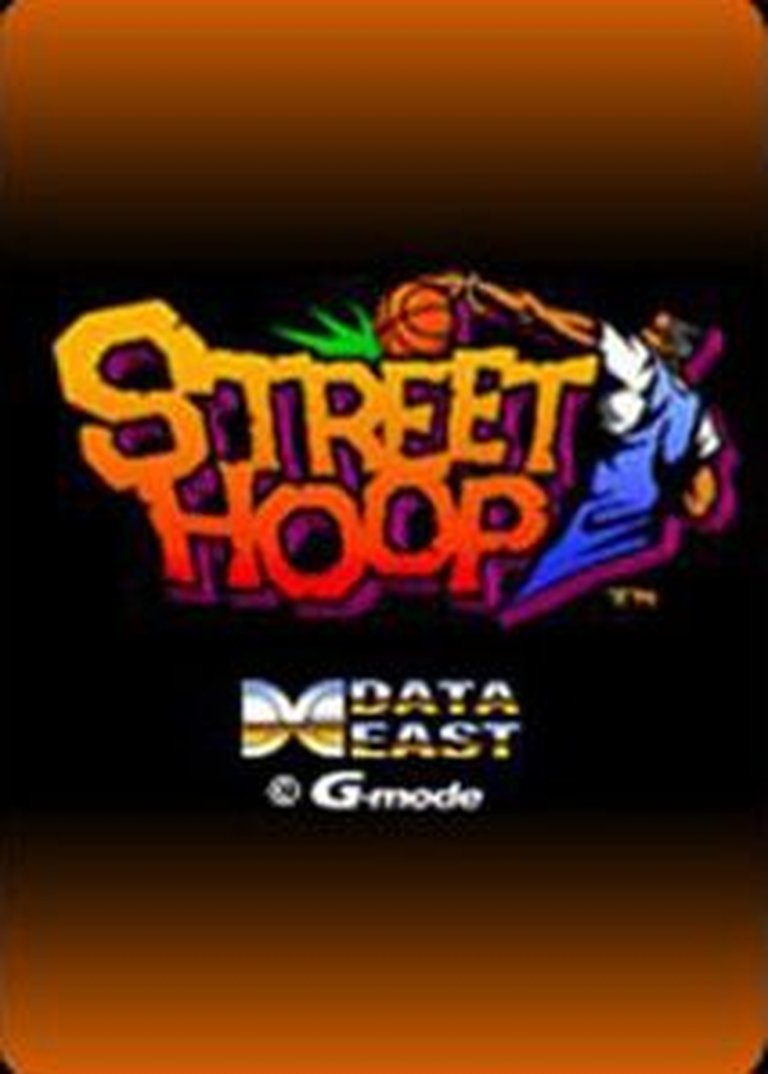
Description
Street Slam is a fast-paced 3-on-3 arcade-style street basketball game where players can choose from 10 international teams (or U.S. cities in the American version), each rated across attributes like dunking, defense, speed, and 3-point shooting. Matches consist of two high-energy halves lasting two minutes each, blending traditional basketball mechanics with a fantasy twist: a ‘super shot’ meter enables gravity-defying dunks when charged. Players can perform passes, steals, blocks, and flashy dunks, with controls tailored for quick, competitive gameplay. Designed for 1-2 players, it emphasizes arcade-style action over realism.
Gameplay Videos
Street Slam Reviews & Reception
en.wikipedia.org (80/100): Street Slam has been met with equally positive reception from retrospective reviewers in recent years.
wikiwand.com (80/100): Street Slam has been met with equally positive reception from retrospective reviewers in recent years.
Street Slam: Review
Introduction
In the neon-lit arcades of the mid-90s, Street Slam (known as Dunk Dream in Japan and Street Hoop in Europe) emerged as a vibrant, high-flying homage to street basketball culture. Released in 1994 by Data East, it defied the era’s fighting-game dominance with its kinetic 3-on-3 gameplay, neon-soaked visuals, and accessible yet chaotic energy. While often overshadowed by contemporaries like NBA Jam, Street Slam carved a niche as one of the Neo Geo’s defining sports titles — a game that embraced absurdity without sacrificing competitive depth. This review unravels its legacy, arguing that Street Slam remains a cult classic for its distilled arcade purity, innovative mechanics, and audacious style, embodying the irreverent spirit of mid-90s gaming.
Development History & Context
Studio & Vision
Developed by Data East, a studio renowned for arcade hits like Bad Dudes and BurgerTime, Street Slam reflected their knack for fast-paced, accessible entertainment. Producer Iwao Horita and designer Atsushi Kaneko sought to capture the grit and spectacle of street basketball while leveraging the Neo Geo MVS hardware’s power. Unlike the simulation-focused titles of the era (e.g., NBA Live), Data East prioritized exaggerated physics, flashy super moves, and razor-sharp controls to evoke the energy of a pickup game.
Technological Landscape
The Neo Geo’s 24-bit architecture allowed detailed sprite work, fluid animation, and vibrant colors — all critical for Street Slam’s hyper-stylized aesthetic. However, hardware limitations forced compromises: teams had only 10 roster slots (U.S. cities domestically, nations internationally), and the absence of a save system meant progress was ephemeral. Data East’s solution? Double down on instant gratification: matches lasted four minutes total (two-minute halves), with a “continue” system to retain players’ quarters.
Market Positioning
Released in December 1994, Street Slam entered a crowded arcade scene dominated by fighters (Street Fighter II, Mortal Kombat) and sports hybrids (NBA Jam). Data East’s pitch was simple: Street Slam offered the speed of Double Dragon with the spectacle of a dunk contest. While it lacked the licensing of NBA Jam, its international/city-based teams (e.g., New York, Tokyo) tapped into 90s globalization trends, positioning it as a streetwise alternative.
Narrative & Thematic Deep Dive
Minimalist Storytelling
Street Slam’s “narrative” is skeletal: players choose a trio of unnamed athletes to dominate street courts worldwide. Yet its thematic core lies in urban mythmaking — transforming sports into larger-than-life theater. The absence of cutscenes or character backstories focuses attention on the court, where personalities emerge through animation: the towering center’s brutish dunks, the agile guard’s slippery steals.
Symbolism & Style
The game embraces street basketball’s theatricality through:
– Super Shot Meter: A glowing bar that fills with successful plays, culminating in gravity-defying dunks (e.g., leaping “10 meters” for a slam). This mechanic turns points into performative currency.
– National/City Rivalries: Teams embody stereotypes (U.S.A. = dunk dominance, Taiwan = 3-point precision), echoing 90s sports nationalism.
– Crude Visual Language: Court backdrops blend graffiti, chain-link fences, and neon lights, evoking urban playgrounds.
Absurdity as a Virtue
Street Slam rejects realism for cartoonish excess. Players shove opponents mid-air, steal passes with telekinetic ease, and dunk so fiercely the rim shakes — a deliberate tonal choice. This absurdity mirrors NBA Jam’s “boomshakalaka” ethos but with a grittier, arcade-punk edge.
Gameplay Mechanics & Systems
Core Loop
Matches are frantic 3v3 bouts across eight courts, each requiring knockout-style progression. The goal: outscore opponents within four minutes. Key mechanics:
– Attribute-Driven Teams: Each squad rates 1–9 in dunk, 3-pointers, speed, and defense, forcing strategic picks (e.g., New York excels in dunks but struggles with shooting).
– Simplified Controls:
– A button: Shoot/jump/block
– B button: Pass/steal
– A + B: Lob for alley-oops
– Super Shot System: Scoring fills a meter; when full, pressing A unleashes a cinematic dunk (e.g., spiraling 360s) that demoralizes foes.
Strengths
- Addictive Risk/Reward: Stealing the ball risks fouls, while meter management adds tactical depth.
- Local Multiplayer: Two-player co-op captured arcade camaraderie, with split-screen enabling chaotic teamwork.
- Boss Fights: Rounds end with oversized adversaries (e.g., a hulking center), offering satisfying skill checks.
Flaws
- Shallow Progression: No persistent unlocks or season modes — a product of its arcade roots.
- AI Quirks: Critics noted cheating AI (e.g., unrealistic steal accuracy) to inflate difficulty.
- Repetition: Limited movesets and same-y courts blurred matches over time.
World-Building, Art & Sound
Visual Identity
Street Slam’s pixel art is quintessentially Neo Geo: larger-than-life sprites, vibrant color palettes, and fluid animations (e.g., sweat flying during clashes). Courts range from neon-drenched rooftops to gritty docks, each with parallax scrolling backdrops. Character designs straddle stereotypes (Spain’s matador-inspired uniforms) and streetwear flair, reinforcing the game’s irreverence.
Sound Design
Composer Tatsuya Kiuchi (credited as “Mr K Dynamite”) fused hip-hop beats and synth melodies, mirroring early-90s street culture. The soundtrack’s techno vigor amplified the on-court chaos, while sound effects — screeching sneakers, rim rattles, crowd gasps — sold every dunk and block.
Atmosphere
The game radiates arcade-era maximalism: flashing “super shot” warnings, taunting victory screens, and over-the-top announcer barks. This sensory overload immersed players in its fantastical world, where basketball was less a sport than a violent ballet.
Reception & Legacy
Contemporary Reception
- Critical Response: Earned a 74% average from critics (via MobyGames). Praise centered on its speed and multiplayer fun (Nintendo Life: “A solid substitute for NBA Jam”). Criticisms targeted repetitive AI and shallow content (Defunct Games: “A fun two-player game, but no NBA Jam killer”).
- Commercial Impact: Peaked as the third-most-popular U.S. arcade cabinet in December 1994 (per RePlay), though Neo Geo’s high hardware cost limited home console reach.
Post-Release Evolution
- Re-releases: Ported to Neo Geo CD (1995), Wii Virtual Console (2010), and modern platforms (Switch/PS4/Xbox One, 2017).
- Cultural Legacy: Though overshadowed by NBA Jam, Street Slam influenced later arcade sports hybrids (NBA Street). Its “super meter” mechanic became a staple in genres from fighters to shooters.
Modern Reappraisal
Preserved in collections like Arcade Archives, Street Slam is now celebrated for its uncompromising arcade spirit. Speedrunners compete for high scores, while retro enthusiasts praise its local multiplayer chaos — a testament to its enduring design.
Conclusion
Street Slam is a time capsule of mid-90s gaming: brash, repetitive, and irresistibly fun. Its lack of depth is offset by razor-sharp controls, audacious presentation, and multiplayer mayhem — virtues that define the arcade golden age. While not revolutionary, it remains a testament to Data East’s mastery of instant-gratification gameplay, blending sports spectacle with fighting-game intensity. For modern players, it’s a charmingly flawed artifact; for retro devotees, a cult classic that dunked on convention. In the pantheon of arcade sports, Street Slam earns its place — not as a champion, but as the ultimate streetball underdog.