
- Release Year: 2006
- Platforms: Browser, Macintosh, Windows
- Publisher: Flash Game License
- Developer: Mateusz Skutnik
- Genre: Adventure
- Perspective: 1st-person
- Game Mode: Single-player
- Gameplay: Graphic adventure, Point and select, Puzzle elements
- Setting: Abandoned lighthouse, Mystery, Strange devices
- Average Score: 75/100
Description
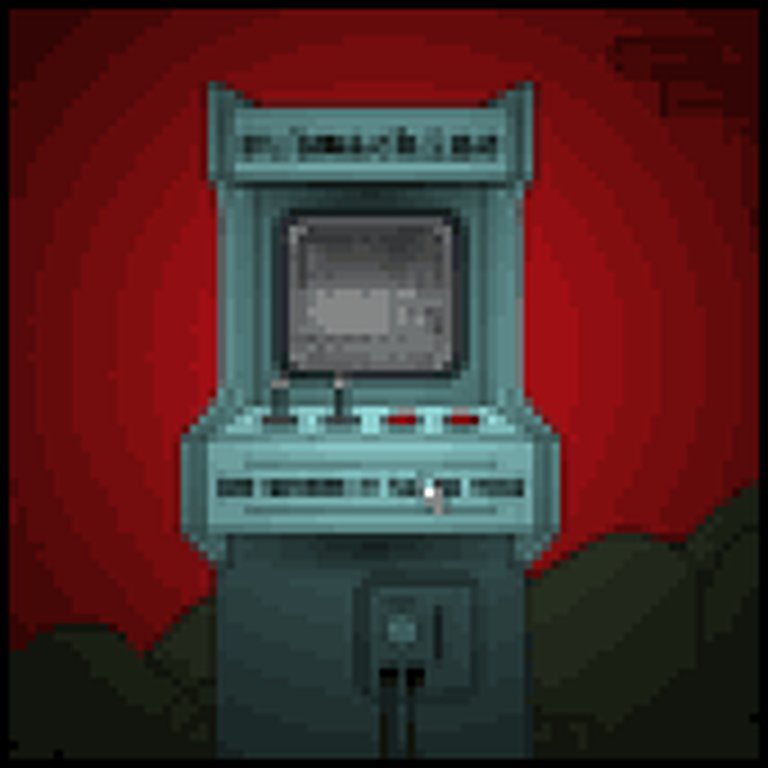
In ‘Submachine 2: The Lighthouse’, players find themselves trapped in an abandoned lighthouse within the mysterious Submachine universe. As part of the point-and-click adventure series, they must navigate crumbling structures, uncover diary pages to unravel the deepening storyline, and solve intricate puzzles to activate a portal at the lighthouse’s peak—all while discovering that the events of the first game were merely part of an in-universe arcade machine.
Gameplay Videos
Submachine 2: The Lighthouse Free Download
Submachine 2: The Lighthouse Guides & Walkthroughs
Submachine 2: The Lighthouse Reviews & Reception
jayisgames.com (90/100): An adventure of epic proportions. Perfect for young readers.
Submachine 2: The Lighthouse: Review
Submachine 2: The Lighthouse, released in June 2006, stands as a testament to the ingenuity and creativity of its creator, Mateusz Skutnik. As a sequel to the acclaimed Submachine 1: The Basement, this game not only expanded the lore and complexity of the Submachine universe but also set new standards for point-and-click adventure games. This review will delve into the development history, narrative depth, gameplay mechanics, world-building, and the enduring legacy of Submachine 2: The Lighthouse.
Development History & Context
The Studio and Creator’s Vision
Mateusz Skutnik, a Polish comics author and architect, created the Submachine series with a vision to blend intricate storytelling with challenging puzzles. Skutnik’s background in architecture is evident in the meticulously designed environments of the Submachine games, which often feature detailed and immersive settings. His influences range from classic adventure games like Oddworld and The Neverhood to more modern titles like Half-life and Portal.
Technological Constraints of the Era
Submachine 2: The Lighthouse was developed during the heyday of Flash gaming, a platform that allowed for rich interactive experiences within web browsers. Flash’s capabilities enabled Skutnik to create detailed 2D environments and complex puzzles, but it also imposed limitations. The game had to be optimized for performance, given the hardware constraints of the time. Despite these challenges, Skutnik managed to create a game that was both visually impressive and mechanically sound.
The Gaming Landscape
In 2006, the gaming landscape was dominated by console and PC titles, with browser games often seen as a niche market. However, Flash games like Submachine 2: The Lighthouse began to gain traction due to their accessibility and innovative gameplay. The game’s release coincided with a growing interest in puzzle and adventure games, making it a timely addition to the genre.
Narrative & Thematic Deep Dive
Plot and Characters
Submachine 2: The Lighthouse picks up where the first game left off, with the player finding themselves inside an abandoned lighthouse. The game reveals that the events of Submachine 1 were part of a game on an old arcade machine, adding a layer of meta-narrative complexity. The player’s goal is to operate a portal installed at the top of the lighthouse, a task that involves solving a series of puzzles and uncovering the lighthouse’s secrets.
The narrative is driven by a series of diary entries and notes left by a mysterious figure named Murtaugh. These entries provide insights into Murtaugh’s past, his experiments with dimensional travel, and his eventual entrapment within the lighthouse. The character of Murtaugh is central to the game’s lore, serving as both a guide and a source of intrigue. His diary entries are written in a first-person perspective, creating a sense of intimacy and immediacy.
Dialogue and Themes
The dialogue in Submachine 2 is sparse but impactful. Murtaugh’s notes are written in a conversational tone, making the player feel as though they are directly interacting with him. The themes explored in the game include isolation, the consequences of scientific experimentation, and the nature of reality. The game’s setting—a buried lighthouse—serves as a metaphor for the protagonist’s entrapment, both physically and psychologically.
The game also touches on the idea of alternate dimensions and the dangers of unchecked ambition. Murtaugh’s experiments with dimensional travel have unintended consequences, leading to his entrapment and the burial of the lighthouse. This theme is explored through the game’s puzzles and environmental storytelling, with the player uncovering the remnants of Murtaugh’s experiments and the aftermath of his actions.
Gameplay Mechanics & Systems
Core Gameplay Loops
Submachine 2: The Lighthouse is a point-and-click adventure game with a strong emphasis on puzzle-solving. The core gameplay loop involves exploring the lighthouse, collecting items, and solving puzzles to progress. The game features 98 unique rooms, each filled with interactive objects and hidden secrets. The puzzles range from simple inventory-based tasks to complex logic puzzles, requiring the player to think critically and creatively.
Combat and Character Progression
Unlike traditional adventure games, Submachine 2: The Lighthouse does not feature combat or character progression in the conventional sense. The game’s challenge comes from its puzzles, which require the player to use their wits and observation skills to progress. The player’s inventory is a crucial component of the gameplay, with items often serving multiple purposes.
User Interface
The user interface in Submachine 2 is intuitive and user-friendly. The point-and-click controls allow for precise interaction with the game world, while the inventory system is straightforward and easy to navigate. The game’s UI is designed to be unobtrusive, allowing the player to focus on the game’s puzzles and narrative.
Innovative and Flawed Systems
One of the innovative aspects of Submachine 2 is its use of environmental storytelling. The game’s world is filled with clues and hints, encouraging the player to explore and interact with their surroundings. However, the game’s reliance on pixel hunting—finding small, often hidden objects—can be frustrating for some players. This mechanic, while adding to the game’s challenge, can also lead to frustration and confusion.
World-Building, Art & Sound
Setting and Atmosphere
The setting of Submachine 2: The Lighthouse is a buried lighthouse, a location that serves as both a physical and metaphorical prison for the player. The game’s atmosphere is one of isolation and mystery, with the player often feeling alone and disconnected from the outside world. The lighthouse’s design is intricate and detailed, with each room telling a story of its own.
Visual Direction
The game’s visual style is a blend of hand-drawn 2D graphics and detailed environmental design. The art direction is consistent throughout the game, with each room featuring a unique layout and set of interactive objects. The game’s use of color is minimal, with a predominantly red and brown palette that adds to the game’s eerie atmosphere.
Sound Design
The sound design in Submachine 2 is minimalistic but effective. The game features a haunting soundtrack that complements the game’s atmosphere, while the sound effects are used sparingly but to great effect. The game’s use of silence is particularly noteworthy, with the absence of sound often serving to heighten the player’s sense of isolation and unease.
Reception & Legacy
Critical and Commercial Reception
Upon its release, Submachine 2: The Lighthouse was praised for its innovative gameplay, intricate puzzles, and immersive world-building. Critics and players alike were impressed by the game’s attention to detail and its ability to create a sense of mystery and intrigue. The game’s legacy has only grown over time, with many considering it a classic of the Flash gaming era.
Influence on Subsequent Games and the Industry
Submachine 2: The Lighthouse has had a significant impact on the adventure game genre, inspiring a new wave of point-and-click games that focus on puzzle-solving and narrative exploration. The game’s use of environmental storytelling and its emphasis on exploration have been emulated by many subsequent titles. The Submachine series as a whole has been cited as an influence by numerous developers, with its blend of storytelling and gameplay mechanics serving as a blueprint for future games.
Conclusion
Submachine 2: The Lighthouse is a masterclass in adventure game design, combining intricate puzzles, a compelling narrative, and immersive world-building. Its legacy as a classic of the Flash gaming era is well-deserved, and its influence on the adventure game genre is undeniable. For those seeking a challenging and engaging adventure game, Submachine 2: The Lighthouse is a must-play title. Its place in video game history is secure, and its impact on the industry will be felt for years to come.