
- Release Year: 2011
- Platforms: Windows
- Publisher: Piki Geek
- Developer: Dan Fornace
- Genre: Action
- Perspective: Side view
- Game Mode: Single-player
- Gameplay: Fighting, Platform
Description
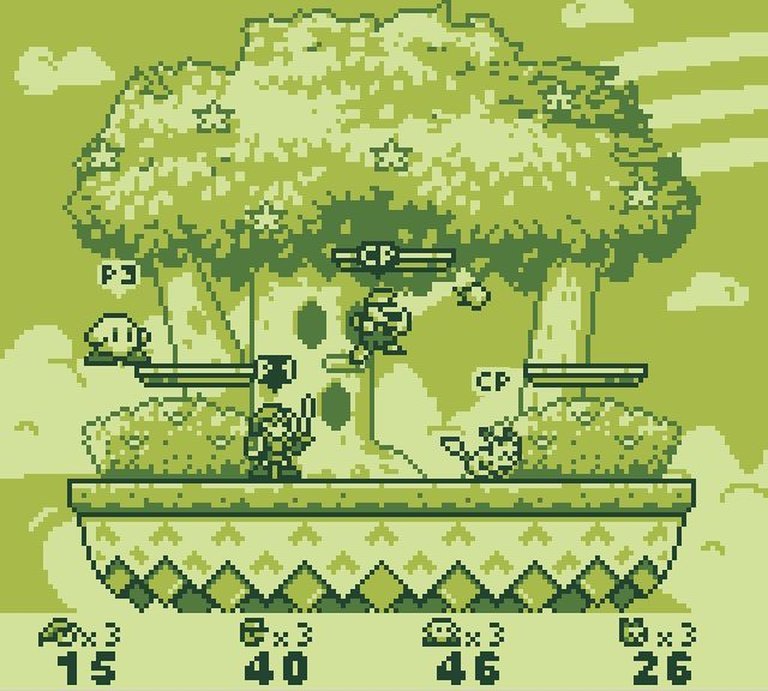
Super Smash Land is a fan-made demake of Super Smash Bros. created by Dan Fornace, styled to emulate Game Boy graphics and released in 2011 for Windows. Players control one of six iconic characters—Mario, Link, Kirby, Pikachu, Vaporeon, or Mega Man—in fast-paced platform fighting across 11 stages, battling in Arcade, Versus, or Endless modes to knock opponents off-screen by increasing their damage percentage, supporting up to four players via keyboard controls.
Gameplay Videos
Super Smash Land Free Download
Super Smash Land Mods
Super Smash Land Guides & Walkthroughs
Super Smash Land: Review
Introduction
Imagine firing up your Game Boy, only to find Super Smash Bros. crammed onto its monochrome screen—a chaotic brawl of Nintendo icons reduced to pixelated perfection, where Mario fireballs Link amid chiptune chaos. Released in 2011, Super Smash Land isn’t just a fan game; it’s a love letter to Nintendo’s crossover juggernaut, reimagined as a handheld what-if that never was. Created by solo developer Dan Fornace, this freeware demake transcends its modest origins to deliver tight, addictive platform fighting that honors its inspiration while innovating within severe constraints. My thesis: Super Smash Land exemplifies how fan-driven creativity can elevate a niche homage into a genre-defining artifact, influencing indie fighters and cementing its place as a retro-futurist masterpiece in gaming history.
Development History & Context
Dan Fornace, then a college student studying digital media, conceived Super Smash Land in 2010 as a personal tribute to the Super Smash Bros. series, sparked by his obsession with its “simple yet deep gameplay.” Shared initially on forums like Smashboards, early prototypes showcased Fornace’s vision: distilling the N64 original’s multiplayer mayhem into Game Boy limitations—no analog sticks, two-button controls, monochrome visuals, and flip-screen scrolling. Using GameMaker 7 (later editions in patches), Fornace handled programming, art, and design solo, with Inverse Phase (Brendan Becker) composing the core chiptune soundtrack and Flashygoodness adding extras. The project launched as a free 18MB Windows download on September 13/14, 2011, via supersmashland.com, clocking in at version 1.1 after minor bug fixes.
The 2011 gaming landscape was ripe for this: the indie boom via platforms like Steam Greenlight was nascent, but GameMaker empowered bedroom devs amid a nostalgia wave (Super Meat Boy, VVVVVV). Nintendo’s Super Smash Bros. Brawl (2008) had popularized platform fighters competitively, fueling fan mods like Project M, while demakes (Super Mario War) celebrated retro hardware. Fornace self-imposed Game Boy specs—16×16 sprites, keyboard-only inputs (arrows for movement, Z jump, X attack), no shields or grabs—to mimic the era’s tech (e.g., object attribute memory limits). Publishers like Piki Geek handled nominal distribution, but rights nods to Nintendo underscored its fangame ethos. Constraints bred ingenuity: no C-stick meant streamlined movesets, turning potential flaws into balanced, accessible design. This solo effort, born from forums and finished in a year, prefigured Fornace’s professional pivot, proving one dev could rival studios.
Narrative & Thematic Deep Dive
Super Smash Land eschews traditional plotting for the Smash Bros. ethos: no overarching story, just emergent chaos from Nintendo’s toybox. Arcade Mode offers the closest to narrative—a Classic-style gauntlet of five stages culminating in Mega Man as “final boss” on Dr. Wily’s Castle, evoking a crossover tournament where shadows represent rivals. Starters (Mario, Link, Kirby, Pikachu) battle peers, a Multi-Man Smash wave of 20 foes, then Mega Man with double stocks, symbolizing escalation from friendly scraps to epic showdowns. Unlocks (e.g., Underground via 1-stock Mario run) add progression tales, like Vaporeon’s random Saffron City intrusion in Versus, joinable post-defeat.
Characters embody thematic purity: Mario as everyman hero (fireballs, coin-spewing Super Jump Punch); Link as sword-and-bomb tactician; Kirby as floaty inhaler (with “KIRBYCIDE!” flash for self-destruct memes); Pikachu as zappy speedster; unlockables Mega Man (charged Buster, Leaf Shield) as Capcom wildcard; and Vaporeon (the “Smurfette”) as portal-warping innovator via water puddles. No dialogue exists—pure action speaks volumes. Themes probe nostalgia’s double edge: retro constraints evoke childhood wonder (chiptune fanfares, victory jingles) while critiquing growth (Endless Mode’s infinite grind mirrors life’s relentlessness). Cameos (Moon from Majora’s Mask, Tower of Heaven’s divine bolts) weave meta-commentary on fan culture, ascending memes like Kirbycide. Absent health bars underscore toylike fragility—percentages inflate until knockoff, echoing Smash‘s lore of animated playthings. Ultimately, it’s a thematic demake of fandom itself: joyful recombination, where Vaporeon’s portals symbolize creative loopholes in canon.
Gameplay Mechanics & Systems
At its core, Super Smash Land nails platform fighter loops: accumulate percentage damage via attacks, then launch foes off fixed/flip-screen stages. Simplified inputs shine—one attack button (X) + direction yields 9 moves (neutral/forward/up/down, ground/air), adapting Smash‘s tilts/smashless arsenal to Game Boy paucity. Physics mimic LCD sluggishness: deliberate knockback, multi-jumps (Kirby floats), no ledges (overshoot recovery). Stocks (1-4, customizable multipliers) or time drive Versus/Arcade wins; higher % = farther launches.
Modes deconstruct brilliantly:
– Arcade: 5-stage progression (1v1s, 20-shadow survival, Mega Man boss). Score via speed/variety; unlocks gate content (e.g., all-starters clears Mega Man).
– Versus: 1-4 players (CPU 1-3 difficulty), split-screen local, teams/hazards toggleable. 20 wins unlock Lavender Town; 100 matches Clock Town; Kirbycide nets Air Ride.
– Endless (post-all-unlocks): Infinite shadows on Battlefield, high-score chases (15 kills unlock stage).
Characters differentiate masterfully (all ~5-7 moves, balanced weights/speeds):
| Character | Key Moves | Playstyle |
|---|---|---|
| Mario | Fireball (3%, bounces), Super Jump Punch (2%/hit, coins) | Zoner/Recovery |
| Link | Bomb toss (5%), Spin charge (12%) | Combo Spacing |
| Kirby | Inhale spit (2-5%), Stone drop (8%, cancellable) | Aerial Trap |
| Pikachu | Thunder bolt (3-8%), Blink teleport | Rushdown |
| Mega Man | Buster charge (2/shot), Slide dash (5%) | Projectile Defense |
| Vaporeon | Water puddle portal (teleport, 10%), Bubble air (4%) | Evasive Mixup |
UI is spartan: crisp menus, %/stock HUD, pause unlocks list. Innovations: puddle-portals enable godlike recovery; Kirbycide meme integration. Flaws: Keyboard clunkiness (no native pads), AI predictability, small roster limits depth. Yet loops addict—5-10s stocks reward reads, multiplayer shines split-screen.
World-Building, Art & Sound
Eleven stages form a micro-Nintendo multiverse, fixed-screen affairs evoking Game Boy’s claustrophobia. Starters (Peach’s Castle: elevators; Dream Land: Whispy gusts; Hyrule: pitfalls/ladders; Saffron City: Pokémon cameos like Electrode) build cozy chaos. Unlockables amplify: Dr. Wily’s Castle (spikes/teleporters), Tower of Heaven (commandment bolts), Battlefield (neutral platforms). Hazards (gears, rails, ghosts) toggleable, fostering strategy sans crowds.
Visuals are retraux triumph: 4-shade monochrome sprites (16×16 limits), dithered backgrounds, intentional slowdown for authenticity. Atmosphere? Pure 1989 handheld—flip-screens heighten tension, cameos (Meta Knight, Chansey) enrich lore without bloat.
Sound elevates: Inverse Phase/Flashygoodness chiptunes (Bandcamp OST) remix Smash motifs—upbeat Peach’s Castle, eerie Lavender. SFX pop (zaps, booms), fanfares gladden victories. Collectively, they immerse in “what-if Game Boy Smash,” nostalgia fueling every KO.
Reception & Legacy
Launch reception glowed indie-bright: Rock Paper Shotgun hailed a “fantastic homage… fun in its own right”; FleshEatingZipper 8/10 for “old school nostalgic”; RGCD 4/5 praising “well-made graphics, entertaining”; JoyCon Gamers 9/10 as “memory lane trip.” No Metacritic aggregate (n/a MobyScore), but forums exploded—Smashboards threads lauded balance, thousands downloaded. Critiques: controls, roster size.
Reputation evolved cult-classic: preserved via archives, speedruns persist. Influence? Fornace’s springboard to Rivals of Aether (2015, Steam hit emulating Melee tech), then Rivals II (2024). Sparked demake wave (Super Smash Flash), mod scenes (custom palettes), platform fighter indies. In history, it’s fan game’s gold standard—proving freeware can birth careers, inspire genres.
Conclusion
Super Smash Land distills Super Smash Bros.‘ soul into Game Boy brilliance: addictive loops, nostalgic art/sound, unlock-driven replayability. Flaws (inputs, scale) pale against ingenuity—Fornace’s solo vision turned constraints into strengths. Verdict: An essential 9.5/10 artifact, Super Smash Land earns eternal play in video game history as the demake that punched above its pixels, bridging fan passion to indie legacy. Download it; relive the brawl.