
- Release Year: 2001
- Platforms: PlayStation 3, PlayStation, PS Vita, PSP, Windows
- Publisher: Console Classics, Media Rings Corporation, XS Games, LLC
- Developer: Warashi Inc.
- Genre: Action
- Perspective: 3rd-person (Other)
- Game Mode: Single-player
- Gameplay: Music, rhythm
- Average Score: 40/100
Description
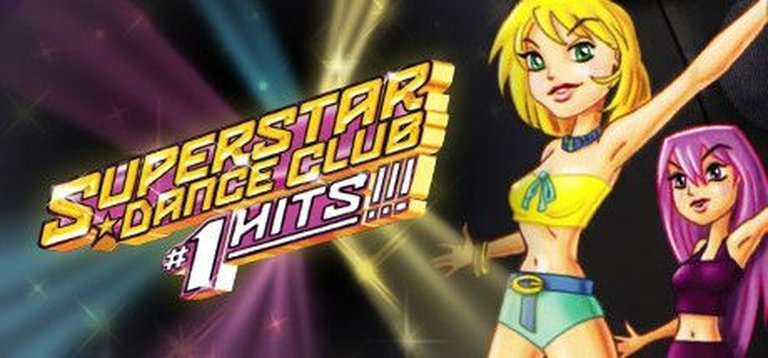
Superstar Dance Club: #1 Hits is a character-based rhythm dancing game featuring anime-style characters performing energetic para-para dances to popular #1 hit songs in a vibrant Tokyo club setting. Players use a Konami DDR dance mat controller or standard buttons in third-person perspective to execute precise hand and body movements, aiming to showcase their best moves and climb the ranks of dance superstars.
Gameplay Videos
Superstar Dance Club: #1 Hits Free Download
Superstar Dance Club: #1 Hits Guides & Walkthroughs
Superstar Dance Club: #1 Hits Cheats & Codes
PlayStation (PS1) US / NTSC-U
GameShark / Action Replay / CodeBreaker codes. Enter into compatible cheat device or emulator.
| Code | Effect |
|---|---|
| 801D8FE2 0FFF | Max Player Tricks |
| 801D8C24 FFFF | Quick Chip Gain |
| 801D8C24 E0FF 801D8C26 05F5 |
Max Chips Total |
| 50000802 0000 801BF200 2222 |
All Stages Unlocked |
| 801DC7F4 0002 | Debug Menu (press Down + Select) |
Superstar Dance Club: #1 Hits: Review
Introduction
In the pulsating heart of Tokyo’s late-night club scene, where neon lights flicker to the beat of J-pop anthems and hands slice through the air in synchronized frenzy, Superstar Dance Club: #1 Hits!!! emerges as a quirky artifact of early 2000s rhythm gaming. Released amid the tail end of the PlayStation 1 era, this budget-title rhythm game channels the real-world para-para dance craze—a Japanese phenomenon of precise, upper-body gestures performed to high-energy tracks—into a button-mashing quest for stardom. As players guide 18-year-old protagonist Suzy from local dive bars to glittering arenas, the game promises addictive progression and multiple endings tied to your dance prowess. Yet, beneath its anime flair lies a title hampered by technical shortcomings. My thesis: Superstar Dance Club is a fascinating historical curio, preserving para-para’s ephemeral hype in digital form, but its clunky execution renders it more novelty than masterpiece—a footnote in rhythm gaming’s evolution from arcade pads to home consoles.
Development History & Context
Developed by the modest Japanese studio Warashi Inc., Superstar Dance Club: #1 Hits!!! (known in Japan as LOVE★パラ ~ラブリー東京パラパラ娘~) arrived on January 11, 2001, for the PlayStation, published by Media Rings Corporation. Warashi, a smaller outfit known for niche projects, assembled a lean team of 44 credited individuals (25 developers, 19 in thanks), helmed by directors Ryoichi Sato and Hisashi Sugawara from Media Rings, alongside Warashi’s Hiroki Komuro. Programmers like Tsutomu Tabata, Akihito Tani, and Tomohiro Higashiyama handled the core rhythm engine, while graphic designers Nozomu Oda, Final Isourou, Hiroaki Fujioka, and Taichi Shigemura crafted its anime-inspired visuals. Sound came from Same Creative’s trio—Takashige Inagaki, Mitsuhiro Tabata, and Hisanobu Kumagai—with voice work by talents like Shitanda Shane, Kozue Shimizu, and the enigmatic Ichirō Yaguchi (credited as “God”).
The game’s context is rooted in the late-90s/early-2000s para-para mania, a club dance style emphasizing rapid hand movements over footwork, popularized in Japan via arcades and music videos. This aligned with the global rhythm game explosion sparked by Konami’s Dance Dance Revolution (DDR), which Superstar Dance Club explicitly supports via DDR mats. Technologically, it grappled with PS1 constraints: 3rd-person perspective, 2D cartoon graphics, and XA audio for music syncing, all squeezed onto a single data track disc (SLUS-01493 for NTSC-U). Released late in the PS1 lifecycle (JP 2001, US December 2002 by XS Games, EU March 2003), it targeted budget markets amid the PS2 transition. XS Games localized it with minimal changes—retaining Japanese character designs but Westernizing the title screen—while later ports (PSP/PS3 2010, PS Vita 2012, Windows/Steam 2015 via Console Classics) ensured digital preservation.
Debug remnants uncovered by preservationists (e.g., TCRF) reveal developer intent: hidden menus named after programmers (TABATA, TANI, HIGASHIYAMA) offer sound tests, VRAM dumps, vibration editors, and even a level select, hinting at rigorous testing for rhythm precision. A bizarre dummy file, “DAMMY” (an MPEG of Revolutionary Girl Utena‘s creditless opening), suggests Easter eggs or asset recycling. Publishers like XS Games focused on low-cost imports, positioning it as a DDR alternative in a landscape dominated by DDR Konamix and Bust A Groove, but without Konami’s polish.
Narrative & Thematic Deep Dive
Superstar Dance Club eschews deep storytelling for a lightweight, motivational framework centered on Suzy, an ambitious 18-year-old dancer chasing Tokyo’s “Super Star Dance Club Champion” title. The “plot” unfolds across 21 unlockable stages in escalating clubs—from dingy locals to neon-drenched arenas—where high scores earn “chips” (virtual currency) dictating one of multiple endings. Success elevates Suzy to superstardom alongside “friends,” fostering themes of aspiration, perseverance, and nightlife glamour; failure strands her in obscurity, underscoring rhythm gaming’s meritocracy.
Characters are archetypal anime tropes: Suzy as the plucky protagonist, backed by voiced ensemble (Shitanda Shane et al.) delivering peppy dialogue in broken English (US version) or Japanese (original). No sprawling cast or branching dialogues exist; interactions are menu-bound encouragements like “Show your best moves!” Themes draw from para-para’s cultural roots—non-stop, high-energy expression in Tokyo’s club underbelly—evoking escapist fame quests akin to Audition Online. Multiple endings (tied to chip totals) add replay incentive, rewarding mastery with triumphant montages versus humbling flops.
Underlying motifs celebrate subculture: para-para as communal ritual, Tokyo as a glittering pressure cooker. Yet, sparse narrative (no cutscenes beyond intros) prioritizes gameplay, with voices amplifying hype (“Tap your feet to the music!”). Regional localization keeps JP designs intact, preserving “Lovely Tokyo Para-Para Musume” vibe, but US/EU tones down overt J-pop idolatry. Critically, it romanticizes grind-to-glory, mirroring real para-para’s rise/fall, but lacks emotional depth—more motivational pamphlet than saga.
Gameplay Mechanics & Systems
At its core, Superstar Dance Club is a para-para simulator: 3rd-person rhythm action where players mash Circle, Square, X, or Triangle to match scrolling prompts synced to tracks. L1/L2/R1/R2 add bonus sound effects (scratches, claps) for extra chips, mimicking para-para’s gestural flair. Three difficulties—easy (forgiving timing), intermediate, expert (pixel-perfect)—build skills across 21 stages, unlocked by passing grades. Progression loops simply: select stage/difficulty, dance, score chips/grade, unlock more. DDR mat compatibility broadens appeal, mapping feet to hand moves.
UI is straightforward PS1 fare: clean menus, onscreen prompts with health bars depleting on misses. Vibration (Dual Shock) enhances feedback, but flaws abound—Jeuxvideo.com lambasts “calamitous” hit detection, overwhelming lights, and stiff animations crippling advanced play. No combat or progression trees; “character progression” is Suzy’s outfit unlocks via chips. Innovative: chip-based endings encourage high-score chases; flawed: short lifespan (21 songs exhaust quickly), no multiplayer (1-player only, 1 memory block). Gameshark codes (e.g., max tricks/chips) reveal exploitable balances. Overall, addictive for para-para fans, frustrating for precision seekers—era-typical for budget rhythm titles.
World-Building, Art & Sound
Set in a stylized Tokyo club ecosystem, the game builds atmosphere through escalating venues: gritty starters to superstar palaces, pulsing with anime crowds. Visuals employ 2D cartoon/anime art—vibrant, cel-shaded dancers in exaggerated poses—but suffer PS1 limits: low-res sprites, jerky animations, dated effects (per critics). Regional title screens differ (JP ornate, West simplified), yet characters retain manga charm: big-eyed Suzy amid flashing spotlights.
Sound design shines brighter: Same Creative’s high-energy J-pop/Eurodance tracks fuel para-para frenzy, with XA/XA tests in debug affirming sync focus. SFX (SE tests) pop crisply, voices hype energetically (e.g., Ichirō Yaguchi’s divine flair). BGM test unlocks hidden variety, but overloads hinder visibility. Collectively, elements immerse in club euphoria—neon haze, bass throbs—but technical woes (laggy frames, dummy Utena vid) undercut cohesion, evoking budget charm over AAA spectacle.
Reception & Legacy
Launch reception was tepid: MobyGames logs 40% critic average (Jeuxvideo.com’s 8/20, citing weak graphics, detection, brevity); players average 2/5 (one rating). No Metacritic aggregate, underscoring obscurity. Commercially, a budget PS1 sleeper—XS Games’ import gamble amid DDR dominance—selling via eBay/Amazon relics ($3-20). Ports (PSN 2010+, Steam 2015) revived it digitally, but no revival buzz.
Legacy endures via preservation: TCRF’s debug dives (level select, Utena egg) cement hacker intrigue; Archive.org emulation aids access. Influences ripple subtly—para-para reps in Pon Para (2021), club rhythms echoing Dance Party: Club Hits. As PS1 rhythm footnote, it documents para-para’s digital echo, inspiring niche emulators but no genre shifts. Cult status grows among retro collectors, a “so-bad-it’s-good” relic in anime-rhythm canon.
Conclusion
Superstar Dance Club: #1 Hits!!! captures para-para’s electric pulse—a Tokyo dream chase via frantic button taps—but falters on PS1-era tech, yielding clunky detection and fleeting fun. Warashi’s earnest team birthed a cultural snapshot, flawed yet fervent, with debug secrets and ports ensuring survival. In video game history, it occupies a quirky niche: not revolutionary like DDR, but a testament to rhythm gaming’s global fringes. Verdict: 6/10—worth emulating for historians, a nostalgic curio for rhythm diehards, forever dancing in obscurity’s spotlight.