
- Release Year: 2015
- Platforms: iPad, iPhone, Linux, Macintosh, Windows
- Publisher: AJTilley.com
- Developer: AJTilley.com
- Genre: Adventure
- Perspective: 1st-person
- Game Mode: Single-player
- Gameplay: Visual novel
- Setting: Anime, Manga
- Average Score: 66/100
Description
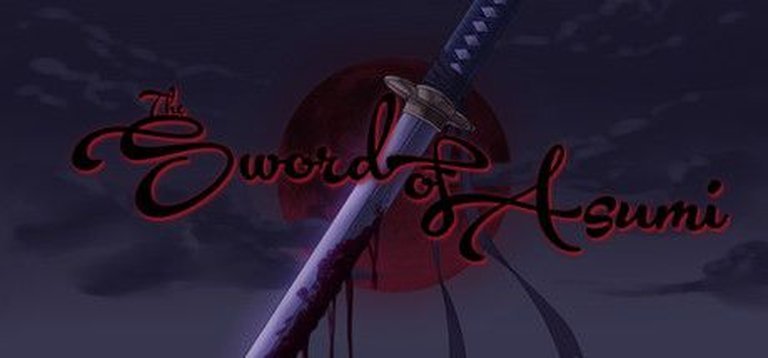
Sword of Asumi is a visual novel serving as a prequel to the Swords of Edo graphic novel. Players follow Asumi, an orphaned assassin trained by the clandestine Black Clan, as she infiltrates an elite martial arts academy to dismantle the terrorist organization Orochi. Alongside her mission, Asumi navigates personal relationships and romantic opportunities, with player choices influencing the narrative’s unfolding events and multiple possible outcomes.
Gameplay Videos
Where to Buy Sword of Asumi
PC
Sword of Asumi Free Download
Sword of Asumi Cracks & Fixes
Sword of Asumi Patches & Updates
Sword of Asumi Guides & Walkthroughs
Sword of Asumi Reviews & Reception
metacritic.com (60/100): It’s a mixed bag, the best parts are front-loaded, and it’s relatively light on content, so I can really only recommend this one to particularly hungry fans of the genre.
choicestgames.com (64/100): It’s good to finally come across a game that has implemented what I reckon should be in every visual novel/adventure/RPG game on Steam by default.
Sword of Asumi: A Fractured Blade in the Visual Novel Pantheon
Introduction: A Promise Unsheathed
In the crowded dojo of anime-inspired visual novels, Sword of Asumi (2015) unsheathes a tantalizing premise: an assassin’s duel between duty and desire in a mythicized Edo-era Japan. Developed by British indie studio AJTilley.com (later Dharker Studio), the game pitches itself as a killer-romance hybrid—a prequel to the Swords of Edo graphic novels—yet stumbled into infamy for its uneven execution. This review interrogates Sword of Asumi’s legacy as a cult oddity: a crowdfunded labor of love hamstrung by amateurish storytelling, salvaged only by earnest artistry and genre hustle.
Development History & Context: Shadow Work in the Ren’Py Forge
Studio & Vision:
AJTilley.com, spearheaded by solo developer A.J. Tilley, emerged from the Kickstarter-fueled indie wave of the early 2010s. Tilley’s background leaned toward niche erotic visual novels (Beach Bounce, Negligee), but Sword of Asumi ambitiously targeted a broader audience, blending action-political intrigue with romance. A 2013–2014 crowdfunding campaign promised a “strong female protagonist” in a samurai fantasy—a rarity among Western-made VNs of the era.
Technological Constraints & Landscape:
Built on Ren’Py, the open-source visual novel engine, Asumi’s development reflected indie pragmatism. The 2015 release coincided with Steam’s Greenlight era, where anime-styled VNs flooded the market. Yet, Asumi faced skepticism: Western-made “anime” games often struggled against Japanese imports, while Steam’s shifting content policies (noted in its “nudity” warnings) forced compromises in its mature themes.
Narrative & Thematic Deep Dive: Blunted Edges
Plot & Characters:
Players embody Asumi, orphan-turned-assassin of the Black Clan, infiltrating an elite samurai academy to uncover “Raven,” leader of the terrorist Orochi group. The alt-history Edo—where samurai rule persists—teems with political factions (e.g., the Council of Nobles’ Justicars), but the story pivots awkwardly between John Wick-style vendettas and school-life tropes. Four romance options (2 male, 2 female) promise branching paths, yet feel mechanical; bonding moments collapse into rushed confessionals.
Themes & Flaws:
– Duality: Asumi’s assassin/student identity crisis offers fertile ground but drowns in tonal whiplash. Early moonlit murders clash with locker-room fan service.
– Cultural Appropriation vs. Homage: Edo’s lore (samurai hierarchy, “Black Clan” mystique) evokes Rurouni Kenshin, yet lacks depth. The Codex delivers lore dumps but rarely enriches choices.
– Feminist Paradox: Tilley championed a “strong female lead,” yet Asumi’s agency is undermined by gratuitous dressing scenes (critics cited “casual sexism”).
Dialogue: Panned as “beyond awful” (Fuwanovel), exposition drenches exchanges:
“I am Asumi. I kill people. But now I must… attend class?”
Gameplay Mechanics & Systems: Choice as Illusion
Core Loop: A kinetic 45,000-word script with 48 save slots and seven endings. Player choices sway alliances (e.g., siding with the stoic Kazuma or fiery Kaori) and determine Raven’s identity.
Innovations & Shortcomings:
– Codex Quizzes: A novel twist—testing lore knowledge to unlock dialogue—but trivialized by menu accessibility.
– Branching Fatigue: Routes diverge late, reducing replay incentive. The “Golden Ending” demands perfectionism, clashing with the 1.5-hour runtime.
– UI/UX: Clean Ren’Py template menus contrast with a cluttered CG Gallery. No voice acting (unlike contemporaries like Danganronpa) amplifies the text’s weaknesses.
World-Building, Art & Sound: The Blade’s True Polish
Visual Aesthetics:
– Character Design: Artist Julia Kruse’s anime sprites dazzle—Asumi’s crimson eyes and combat stances exude lethality.
– Background Art: Lush dojos and cherry-blossom courtyards (by Fateline, Tonee89) immerse players in Edo’s feudal glamour.
– Fanservice Fumbles: Frequent underwear scenes (per MobyGames’ specs) clash with the narrative’s darker beats.
Sound Design:
– Original Score: Blue Wolfie Music’s OST blends taiko drums and shamisen with electronic pulses, culminating in the J-pop vocal track “Dreamers” by Mika Kobayashi (Attack on Titan’s vocalist).
– Ambiance: Sparrow chirps and blade clashes heighten tension but fade in quieter scenes.
Reception & Legacy: From Flop to Footnote
Launch Reception:
– Critical Pan (40% aggregate): Dubbed “scatter-brained” (TouchArcade) and “half-baked” (Fuwanovel). Common gripes included disjointed pacing, underdeveloped romances, and a 1-hour main path.
– Player Divide: Steam’s “Mostly Positive” (72% from 377 reviews) praised art/replay value, while hardcore VN fans lamented its wasted potential.
Cultural Impact:
– Indie Precedent: Proved Western studios could monetize anime VNs—a path later trod by Hatoful Boyfriend and Dream Daddy.
– Dharker’s Evolution: AJTilley.com rebranded to Dharker Studio, refining erotic templates (Panzer Hearts) but never revisiting Asumi’s scale.
Conclusion: A Relic of Ambition
Sword of Asumi is a cracked blade—a game that glimmers with artistic conviction but fractures under narrative misuse. Its legacy lies not in greatness, but as a cautionary tale: Crowdfunding and Ren’Py democratize creation, yet demand disciplined storytelling. For genre completists, it offers a brisk, aesthetically-pleasing curio; for most, it remains sheathed in mediocrity. In Edo’s alternate history, the Justicars’ code warns: “A sword without balance cuts its wielder.” Tilley’s Asumi, sadly, proves the adage true.
Final Verdict: 5/10—A flawed duel of style and substance, best left to visual novel archaeologists.