
- Release Year: 2006
- Platforms: Windows
- Publisher: GrayCore Software
- Developer: GrayCore Software
- Genre: Role-playing (RPG)
- Perspective: Diagonal-down
- Game Mode: Single-player
- Gameplay: characters control, Multiple units, Point and select, Turn-based combat
- Setting: Fantasy
- Average Score: 95/100
Description
Terra Aegrus is a turn-based, tile-based 2D RPG set in a fantasy world where players guide a party of four characters through a vast, dying land. The game features exploration across eight towns and castles, turn-based combat against creatures like trolls and undead, and a quest-driven narrative to uncover the cause of the world’s decay. With 25 magic spells, ranged weapons, and interactions with NPCs, players must navigate a mix of hand-to-hand combat and strategic gameplay to restore balance to the realm.
Terra Aegrus Reviews & Reception
engadget.com (95/100): Zelda: Twilight Princess (95/100)
metacritic.com (95/100): The Legend of Zelda: Twilight Princess (95 Metascore)
gamedev.net : I played this game for a few hours trying to beat it, but the unlock code doesn’t seem to be working.
Terra Aegrus: A Forgotten Gem of Old-School RPG Design
Introduction
In the vast, ever-expanding universe of role-playing games, Terra Aegrus (2006) stands as a quiet testament to the enduring appeal of old-school design. Developed by GrayCore Software, this tile-based, 2D RPG is a love letter to the golden age of computer RPGs, drawing inspiration from classics like Ultima IV and The Bard’s Tale. While it may not have the polish or budget of contemporary AAA titles, Terra Aegrus offers a raw, unfiltered RPG experience that harkens back to an era when games were defined by their mechanics, depth, and the sheer joy of exploration.
This review aims to dissect Terra Aegrus in its entirety—its development history, narrative ambitions, gameplay systems, and lasting legacy. Though it remains a niche title, its story is one of passion, perseverance, and the challenges of indie game development in the mid-2000s. Whether you’re a historian of RPG design, a fan of retro gaming, or simply curious about the roads not taken in gaming’s evolution, Terra Aegrus deserves your attention.
Development History & Context
The Birth of GrayCore Software
Terra Aegrus was the brainchild of Zander, the sole developer behind GrayCore Software, a small Boston-based studio. The game was conceived in the early 2000s, a time when indie game development was still in its infancy. Unlike today’s indie scene, which benefits from robust engines like Unity and Unreal, Zander and his team (consisting of one artist and one webmaster) built Terra Aegrus from the ground up using C# and DirectX 9.0c. The game’s development was a labor of love, with Zander handling the majority of the coding while outsourcing artwork and music to freelance contributors.
The studio’s journey was fraught with challenges. Early iterations of the game were plagued by bugs, and the development cycle stretched far longer than anticipated. In a 2007 blog post, Zander lamented the slow progress, noting that personal issues and technical hurdles had delayed the project. At one point, the team even experimented with Flash as a potential platform, only to abandon it due to its limitations for RPG design. By 2008, the game had been ported to OpenGL, a move that eliminated the need for DirectX and made the game more accessible to players.
The Gaming Landscape of 2006
Terra Aegrus launched in 2006, a year dominated by blockbuster titles like The Elder Scrolls IV: Oblivion, Gears of War, and The Legend of Zelda: Twilight Princess. The RPG genre was in a state of flux, with developers pushing the boundaries of 3D graphics and open-world design. In this environment, a 2D, tile-based RPG like Terra Aegrus was an anomaly—a throwback to the 1980s and early 1990s, when games like Ultima and Wizardry ruled the genre.
Yet, Terra Aegrus was not alone in its retro ambitions. The mid-2000s saw a resurgence of interest in classic RPG mechanics, with games like Dragon Age: Origins (2009) and The Witcher (2007) drawing inspiration from older titles. However, Terra Aegrus distinguished itself by embracing its old-school roots without apology. It was a game designed for purists, for those who missed the days of grid-based movement, turn-based combat, and text-heavy dialogue.
Technical Constraints and Innovations
The game’s development was constrained by the technological limitations of the era. Running on Windows 95/XP systems, Terra Aegrus required the .NET Framework and DirectX 9.0c, which could be cumbersome for players to install. The game’s 2D scrolling perspective and diagonal-down viewpoint were reminiscent of Ultima IV, but its tile-based design also limited the complexity of its environments.
Despite these constraints, Terra Aegrus introduced several innovative features for its time. The game’s combat system, while turn-based, incorporated action points that allowed for strategic movement and positioning. The inclusion of 25 magic spells and a variety of ranged weapons added depth to the gameplay, and the ability to control multiple characters in a party harkened back to the tactical RPGs of the 1990s.
Narrative & Thematic Deep Dive
The Plot: A World on the Brink
Terra Aegrus takes place in a fantasy world that is slowly dying. The premise is simple yet compelling: the player guides a party of four characters through a vast world map, interacting with NPCs in eight towns and castles to uncover the reason behind the world’s decay. The narrative is delivered through text-heavy dialogue, a hallmark of old-school RPGs, and the player’s choices shape the unfolding story.
The game’s central mystery—why the world is dying—is gradually revealed through quests and interactions with NPCs. The story is not particularly complex, but it is effective in its execution, drawing players into a world that feels alive despite its pixelated aesthetics. The dialogue, while occasionally clunky, is imbued with a sense of urgency and purpose, driving the player forward.
Characters and Dialogue
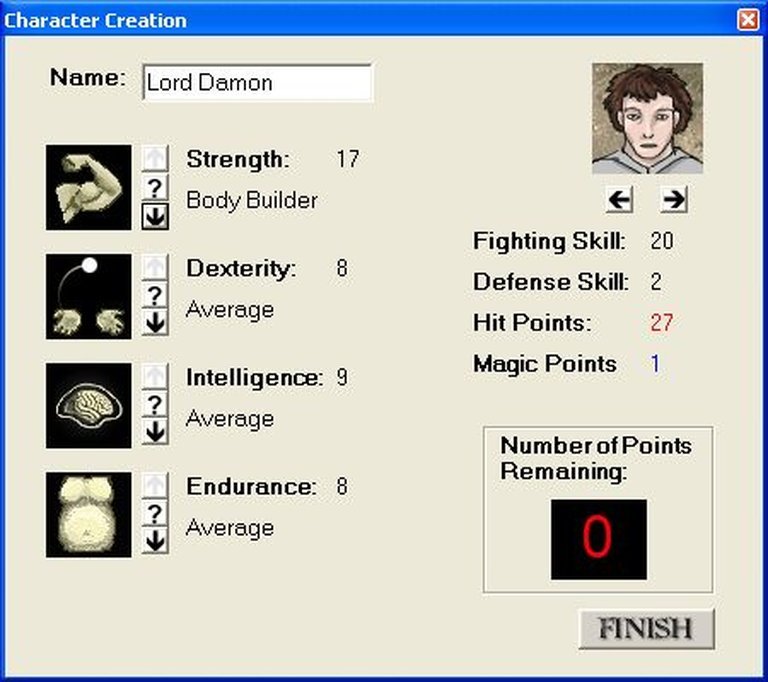
The characters in Terra Aegrus are archetypal but well-defined. The player can choose from a variety of classes, each with their own strengths and weaknesses, and the party dynamics play a crucial role in the game’s progression. The NPCs, while not as fleshed out as those in modern RPGs, serve their purpose in advancing the plot and providing quests.
The dialogue system is one of the game’s most distinctive features. Inspired by Ultima IV, Terra Aegrus allows players to ask NPCs about specific keywords, rather than presenting a list of predefined questions. This system, while somewhat cumbersome, adds a layer of immersion and encourages players to engage more deeply with the world. However, as noted in beta tester feedback, the system could be frustrating, as players had to click on keywords and then select “ask me” to proceed.
Themes: Decay and Renewal
At its core, Terra Aegrus is a story about decay and renewal. The world is dying, and it is up to the player to uncover the cause and, ultimately, restore balance. This theme is reflected in the game’s environments, which range from lush forests to desolate swamps, and in the player’s interactions with NPCs, who are often desperate for help.
The game’s fantasy setting is rich with lore, though much of it is left to the player’s imagination. The world feels lived-in, with towns and castles that have their own histories and secrets. The inclusion of magical items and spells adds a layer of mysticism, reinforcing the game’s fantasy themes.
Gameplay Mechanics & Systems
Core Gameplay Loop
Terra Aegrus is a turn-based RPG at its heart, with a gameplay loop that revolves around exploration, combat, and character progression. The player guides their party through a vast world map, encountering monsters, completing quests, and interacting with NPCs. Combat is turn-based, with a focus on tactical positioning and the use of action points.
The game’s exploration is one of its strongest suits. The world map is enormous, with a variety of environments to traverse, from forests and mountains to swamps and castles. The tile-based movement system, while dated, adds a layer of strategy to exploration, as players must carefully navigate the terrain to avoid enemies and traps.
Combat and Character Progression
Combat in Terra Aegrus is turn-based and tactical. Players control a party of four characters, each with their own strengths and weaknesses. The combat system incorporates action points, which determine how far a character can move and how many actions they can perform in a turn. This system adds a layer of depth to the combat, as players must carefully manage their resources to emerge victorious.
Character progression is handled through a traditional leveling system, with characters gaining experience points through combat and quests. The game features a variety of classes, each with their own unique abilities and spells. The inclusion of 25 magic spells and a variety of ranged weapons adds depth to the combat, allowing players to customize their party to suit their playstyle.
UI and Controls
The game’s UI is functional but dated. The menu structures are reminiscent of older RPGs, with a focus on text-based interactions and simple graphics. The point-and-select interface is intuitive, but the lack of modern conveniences, such as tooltips and contextual hints, can make the game feel clunky at times.
The controls are straightforward, with players using the mouse to navigate menus and interact with the world. The game’s movement system, while simple, can be frustrating at times, particularly in towns where the player’s speed can feel inconsistent.
Innovations and Flaws
Terra Aegrus introduces several innovative features for its time, particularly in its combat and exploration systems. The inclusion of action points and tactical positioning adds depth to the combat, and the game’s vast world map encourages exploration. However, the game is not without its flaws. The dialogue system, while immersive, can be cumbersome, and the game’s difficulty curve is steep, particularly in the early stages.
The game’s lack of polish is also evident in its presentation. The 2D graphics, while charming, are dated, and the sound design is minimal. The game’s music, while atmospheric, is repetitive, and the lack of voice acting can make the dialogue feel flat.
World-Building, Art & Sound
Setting and Atmosphere
Terra Aegrus takes place in a fantasy world that is rich with lore and history. The game’s setting is reminiscent of classic fantasy RPGs, with a variety of environments to explore, from forests and mountains to swamps and castles. The world feels alive, with towns and castles that have their own histories and secrets.
The game’s atmosphere is one of its strongest suits. The world is dying, and this sense of decay is reflected in the game’s environments and NPC interactions. The player’s journey is one of discovery, as they uncover the cause of the world’s decay and work to restore balance.
Visual Direction
The game’s visual direction is a throwback to the 1980s and early 1990s, with a focus on 2D tile-based graphics. The environments are detailed and varied, with a variety of textures and colors that bring the world to life. The character animations, while simple, are effective, and the monster designs are creative and varied.
The game’s art style is reminiscent of classic RPGs, with a focus on simplicity and functionality. The UI is clean and intuitive, with a focus on text-based interactions and simple graphics. The game’s menus are well-organized, and the point-and-select interface is easy to use.
Sound Design
The game’s sound design is minimal but effective. The music, while repetitive, is atmospheric and sets the tone for the game’s fantasy setting. The sound effects are simple but effective, with a focus on combat and exploration.
The lack of voice acting is a notable omission, particularly in a game that relies so heavily on dialogue. The text-based interactions can feel flat at times, and the lack of voice acting can make the NPCs feel less alive.
Reception & Legacy
Critical and Commercial Reception
Terra Aegrus was released in 2006 to little fanfare. The game was not reviewed by major gaming outlets, and its commercial success was limited. However, the game found a small but dedicated fanbase, particularly among fans of old-school RPGs.
The game’s reception was mixed, with players praising its depth and complexity but criticizing its lack of polish and steep difficulty curve. The game’s beta testers provided valuable feedback, highlighting issues with the dialogue system, combat mechanics, and UI. Despite these criticisms, the game was well-received by those who appreciated its retro design and tactical depth.
Evolution of Reputation
Over the years, Terra Aegrus has gained a cult following among fans of old-school RPGs. The game’s retro design and tactical depth have made it a favorite among purists, and its status as a niche title has only added to its appeal.
The game’s legacy is one of perseverance and passion. Despite its limited commercial success, Terra Aegrus remains a testament to the enduring appeal of old-school RPG design. The game’s development history, with its challenges and triumphs, is a reminder of the dedication and creativity that goes into indie game development.
Influence on Subsequent Games
While Terra Aegrus did not have a significant impact on the broader gaming industry, its influence can be seen in the resurgence of interest in retro RPG design. Games like Dragon Age: Origins and The Witcher drew inspiration from older titles, and Terra Aegrus was part of a broader movement to revive the tactical depth and exploration of classic RPGs.
The game’s legacy is also evident in the indie RPG scene, where developers continue to draw inspiration from the old-school design of games like Terra Aegrus. The game’s focus on tactical combat, exploration, and character progression has influenced a new generation of RPGs, and its status as a cult classic has ensured its place in gaming history.
Conclusion
Terra Aegrus is a game that defies easy categorization. It is neither a polished AAA title nor a modern indie darling. Instead, it is a raw, unfiltered RPG experience that harkens back to the golden age of computer RPGs. Its strengths lie in its depth, complexity, and tactical gameplay, while its weaknesses are evident in its lack of polish and steep difficulty curve.
For fans of old-school RPGs, Terra Aegrus is a hidden gem—a game that rewards patience, strategy, and exploration. Its retro design and tactical depth make it a standout title in a genre that has increasingly embraced 3D graphics and open-world design. While it may not have the polish or budget of contemporary titles, Terra Aegrus offers a unique and rewarding experience for those willing to look beyond its dated presentation.
In the end, Terra Aegrus is a testament to the enduring appeal of old-school RPG design. It is a game that reminds us of the joy of exploration, the thrill of tactical combat, and the satisfaction of uncovering a world’s secrets. For those who appreciate the roads not taken in gaming’s evolution, Terra Aegrus is a game worth discovering.