
- Release Year: 2009
- Platforms: Windows
- Publisher: SYBEX-Verlag GmbH
- Genre: Compilation, Puzzle
- Perspective: Side view
- Game Mode: Single-player
- Gameplay: Mini-games
Description
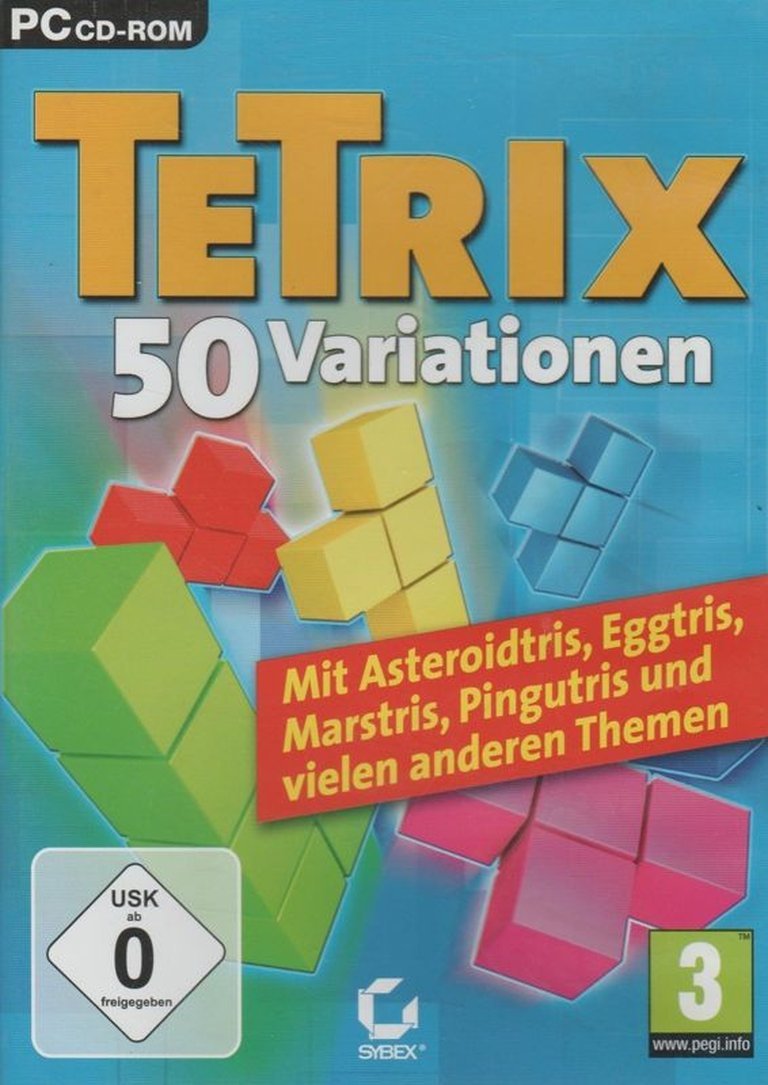
Tetrix-50 Variationen is a 2009 Windows compilation featuring 50 distinct Tetris-style puzzle games, each with unique themes and visual designs while retaining the core gameplay mechanics of the classic block-stacking genre. Published by SYBEX-Verlag GmbH, this collection offers a variety of graphical twists on the traditional Tetris formula, presenting players with a diverse range of side-view, fixed-screen challenges across multiple mini-games.
Tetrix-50 Variationen: A Comprehensive Retrospective on a Puzzle Compilation
Introduction
In the vast and ever-evolving landscape of video games, few titles have achieved the universal recognition and enduring appeal of Tetris. Since its inception in 1984, Tetris has transcended cultural and technological boundaries, embedding itself into the collective consciousness of gamers worldwide. Tetrix-50 Variationen, released in 2009 by SYBEX-Verlag GmbH, is a fascinating artifact in the Tetris lineage—a compilation that attempts to reinvigorate the classic formula through sheer variety. This review delves deep into the game’s development, mechanics, reception, and legacy, exploring whether it stands as a mere curiosity or a noteworthy entry in the puzzle genre.
Development History & Context
The Studio and Creators’ Vision
SYBEX-Verlag GmbH, the publisher behind Tetrix-50 Variationen, is a German company primarily known for its educational and technical publications. Their foray into video games, particularly a Tetris compilation, reflects a broader trend in the late 2000s of publishers capitalizing on the nostalgia and accessibility of classic games. The vision for Tetrix-50 Variationen was straightforward: to offer a diverse array of Tetris-like experiences under a single umbrella, catering to both casual players and hardcore enthusiasts.
Technological Constraints and Era
Released in 2009, Tetrix-50 Variationen arrived during a period of significant transition in the gaming industry. The late 2000s saw the rise of digital distribution platforms like Steam and the proliferation of indie games, which often revisited retro genres with modern twists. However, Tetrix-50 Variationen adhered to a more traditional model, distributed on CD-ROM and designed for Windows. The game’s fixed/flip-screen perspective and side-view gameplay were reminiscent of early Tetris iterations, eschewing the 3D and augmented reality innovations seen in contemporaries like Tetris Effect.
The Gaming Landscape
The puzzle genre in 2009 was a crowded space, with titles like Bejeweled, Peggle, and Portal dominating the market. Tetris itself had already spawned numerous official and unofficial variants, from Tetris DS to Tetris Friends. Tetrix-50 Variationen entered this competitive arena not as a groundbreaking innovation but as a celebration of the genre’s roots, offering a nostalgic yet varied experience.
Narrative & Thematic Deep Dive
Plot and Characters
Tetrix-50 Variationen is, at its core, a puzzle game devoid of traditional narrative elements. There are no characters to speak of, no overarching story, and no dialogue. The “narrative” is instead conveyed through the game’s 50 variations, each with its own thematic skin. These themes range from abstract geometric patterns to more concrete settings like space or underwater environments. The absence of a plot is not a detriment but rather a testament to the game’s focus on pure gameplay mechanics.
Underlying Themes
The primary theme of Tetrix-50 Variationen is variation itself. The game explores how minor changes in visuals, mechanics, and rules can transform a familiar experience into something fresh. This theme is a meta-commentary on the Tetris franchise’s enduring appeal: the ability to reinvent itself while retaining its core identity. The game also subtly touches on the concept of nostalgia, inviting players to revisit a classic through new lenses.
Gameplay Mechanics & Systems
Core Gameplay Loops
At its heart, Tetrix-50 Variationen adheres to the fundamental Tetris gameplay loop: blocks (tetriminoes) fall from the top of the screen, and the player must manipulate them to create complete horizontal lines, which then disappear, freeing up space and scoring points. The game’s 50 variations introduce tweaks to this loop, such as:
- Different Block Shapes: Some variations feature non-standard tetrimino shapes, adding complexity to the spatial reasoning required.
- Power-Ups: Certain modes include power-ups that can clear lines, slow down the game, or introduce obstacles.
- Obstacles: Some variations incorporate static or moving obstacles that the player must navigate around.
Combat and Character Progression
Tetrix-50 Variationen does not feature combat or character progression in the traditional sense. However, the game’s progression is tied to the player’s mastery of each variation. As players complete levels or achieve high scores, they unlock new variations, each presenting a unique challenge. This structure encourages experimentation and replayability, as players are incentivized to explore all 50 modes.
UI and Innovative Systems
The game’s user interface is functional but unremarkable, designed to be intuitive and non-intrusive. The main menu allows players to select from the 50 variations, each represented by a thumbnail and brief description. The in-game UI is minimalistic, displaying the score, level, and next tetrimino, ensuring that the focus remains on the gameplay.
One of the game’s more innovative systems is its customization options. Players can adjust the graphics and sound settings to their liking, tailoring the experience to their preferences. This level of customization, while not groundbreaking, adds a layer of personalization that enhances the game’s appeal.
World-Building, Art & Sound
Setting and Atmosphere
Tetrix-50 Variationen does not feature a cohesive world or setting. Instead, each variation exists in its own thematic bubble, ranging from futuristic sci-fi to whimsical fantasy. The game’s atmosphere is largely defined by its visual and auditory presentation, which varies significantly between modes. Some variations evoke a sense of urgency with fast-paced music and vibrant colors, while others adopt a more relaxed tone with soothing sounds and muted palettes.
Visual Direction
The game’s visual direction is eclectic, reflecting the diversity of its 50 variations. The artwork ranges from simple, abstract designs to more detailed and thematic backdrops. The tetriminoes themselves are rendered in a variety of styles, from classic blocky designs to more intricate, themed shapes. While the visuals are not cutting-edge, they are effective in conveying the unique identity of each variation.
Sound Design
The sound design in Tetrix-50 Variationen is functional and varied. Each variation features its own soundtrack, ranging from upbeat electronic tunes to more ambient, atmospheric pieces. The sound effects, such as the satisfying “click” of a tetrimino locking into place or the whoosh of a cleared line, are familiar to any Tetris veteran. The audio design, while not revolutionary, complements the gameplay and enhances the overall experience.
Reception & Legacy
Critical and Commercial Reception
Tetrix-50 Variationen received little critical attention upon its release, with no reviews available on major platforms like Metacritic or MobyGames. This lack of coverage is indicative of the game’s niche appeal and limited commercial impact. It was not a blockbuster title but rather a modest offering aimed at a specific audience of puzzle enthusiasts.
Evolution of Reputation
Over time, Tetrix-50 Variationen has not garnered a significant reputation in the gaming community. It remains a relatively obscure entry in the Tetris pantheon, overshadowed by more prominent titles like Tetris Effect or Tetris 99. However, it has found a small but dedicated following among retro gaming enthusiasts and collectors, who appreciate its unique take on the classic formula.
Influence on Subsequent Games
Tetrix-50 Variationen has had minimal influence on subsequent games, primarily due to its limited reach and lack of innovative mechanics. However, it serves as an interesting case study in the potential of variation-based design. The game’s approach to offering multiple takes on a single concept has been echoed in other compilation titles, though none have replicated its specific formula.
Conclusion
Tetrix-50 Variationen is a curious and somewhat overlooked entry in the Tetris franchise. It does not break new ground or redefine the puzzle genre, but it offers a unique and varied experience that will appeal to fans of classic Tetris gameplay. The game’s 50 variations provide a wealth of content, ensuring that players will find something to enjoy, whether they prefer fast-paced action or more relaxed, strategic play.
While Tetrix-50 Variationen may not have left a significant mark on the gaming landscape, it stands as a testament to the enduring appeal of Tetris and the potential for variation within a familiar framework. For puzzle enthusiasts and retro gaming fans, it is a worthwhile addition to the collection, offering a nostalgic yet fresh take on a timeless classic.
Final Verdict: Tetrix-50 Variationen is a niche but enjoyable compilation that celebrates the diversity of Tetris-like gameplay. While it lacks the polish and innovation of more modern entries, its sheer variety and customization options make it a unique and engaging experience for fans of the genre. 7/10